
 Water damage drying
 Fire & smoke cleanup
 Mold remediation
 Storm response
 Sewage cleanup
 Reconstruction
Free visual inspection and a written scope of work before any mitigation begins - photos, moisture readings, and drying logs go in your claim file
The scope we write is the scope we bill. Anything new gets shown to you, in writing, before we touch it.
Get your free estimateFast, Reliable Water Damage Restoration Across Forest Hills
Water damage restoration in Forest Hills typically costs between $1,800 and $6,500 depending on the size of the affected area and whether structural drying is required. Most jobs in the neighborhood’s pre-war buildings and garden apartments are started within 90 minutes of your call. If you’re standing in water or watching it spread through a ceiling, call (607) 325-7185 right now and a live person will answer.
We know Forest Hills the way only a local crew can. The co-ops on Burns Street, the Tudor homes in the Gardens, the mid-century brick buildings along Queens Boulevard and Continental Avenue. Every block has its own plumbing age, its own drain profile, its own way of hiding water. Our Water Damage Restoration team runs the same written-standard process on every job, whether it’s a third-floor ceiling leak in a six-story co-op or a flooded basement in a single-family home off Ascan Avenue.
Why Keegan Restoration Brooklyn Is Forest Hills’s Preferred Water Damage Restoration Company
Keegan Water Damage Restoration is part of the Garrison Partners family, and has been since 2005. Every job we take in Forest Hills runs to The Garrison Standard: price in writing before work starts, background-checked technicians in uniform, and a 365-Day Done Right Promise in writing on every repair. If the work fails within one year, we return and make it right at no charge.
Shane Pruitt leads the Keegan operation, and the standard he holds the crew to is exactly the one homeowners describe when they tell us what went wrong with a previous contractor. No phone trees. No price that moves at the door. No crew sent out without a documented scope of loss and a plan for the insurance claim. Forest Hills homeowners call us because they want a crew that shows up inside the window, explains each step in plain trade language, and leaves the site clean.
Response time to Forest Hills matters more here than in most neighborhoods. A burst supply line in a 1920s co-op building will wick through horsehair plaster and oak parquet within hours. A stalled mitigation waiting on board approval turns a clean-water leak into a gut job in 48 hours. We dispatch locally and coordinate with property managers, co-op boards, and adjusters from the first call.
Restoration work we handle
Water Damage Repair in Forest Hills
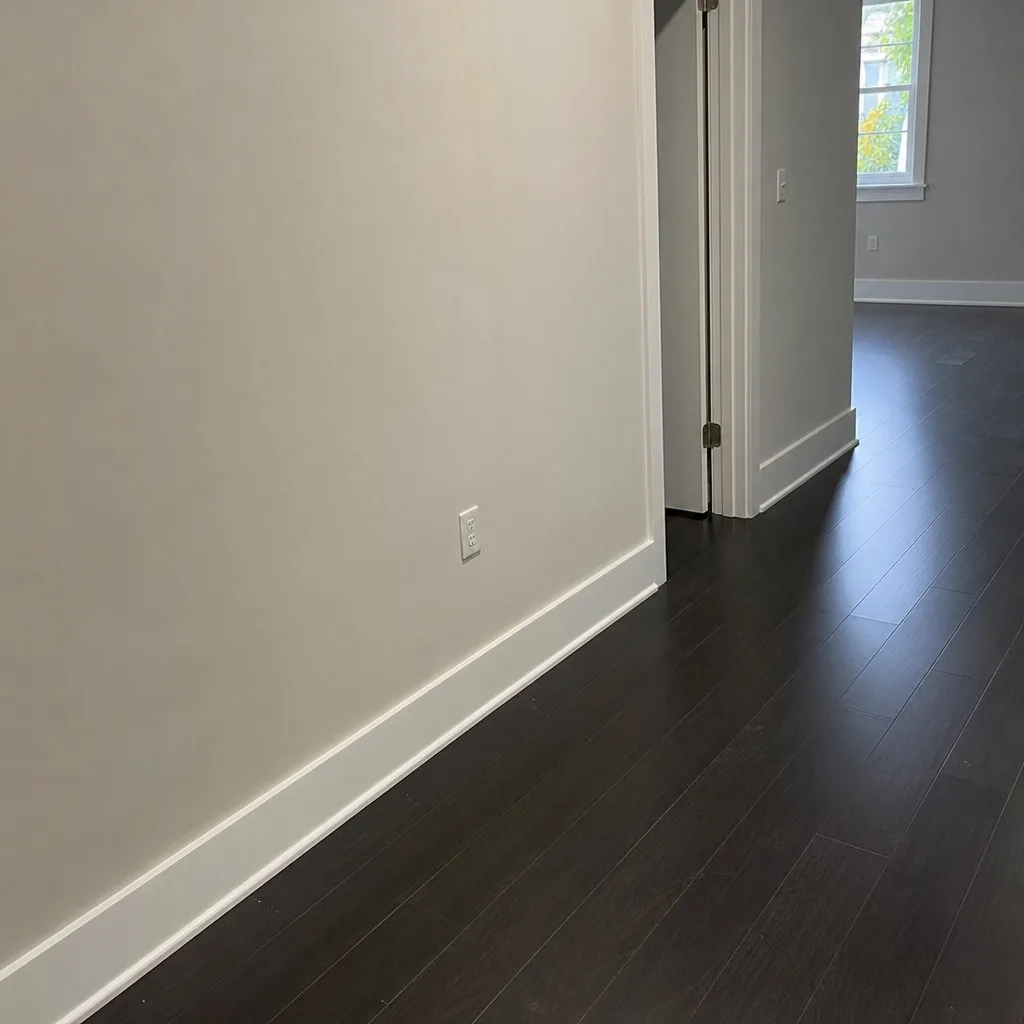
Water damage repair in Forest Hills means restoring the structure after extraction and drying are complete: plaster patching, subfloor replacement, baseboard and trim work, paint matching, and in the Gardens, matching period-appropriate materials that satisfy landmark guidelines. The repair phase starts only after the moisture mapping shows the affected materials have hit their dry standard. In a Forest Hills garden apartment with original oak flooring, that means sanding and refinishing only the affected boards where possible, not replacing the whole room.
Most repair jobs in Forest Hills run $1,200 to $4,800 depending on the finish level and whether historic materials are involved. A straightforward drywall and baseboard repair in a mid-century co-op off Queens Boulevard might run $1,500. Restoring water-damaged lath-and-plaster in a Forest Hills Gardens Tudor with custom paint matching can hit $4,000 or more because the finish work has to blend with 100-year-old surrounding surfaces.
Plaster and Historic Finish Repair
In the landmarked sections of Forest Hills Gardens, repair work is governed by aesthetic rules that don’t exist in most of Queens. We dry lath-and-plaster in place with injection drying rather than tearing it out, because the landmark board requires period finishes. When we do patch plaster after drying, we match the original trowel texture and use a lime-based mix, not modern gypsum, so the patch breathes like the original wall.
Floor and Subfloor Repair
Water collects under oak parquet and maple strip floors in pre-war buildings and wicks into the subfloor. We lift only the boards that are damaged, dry the subfloor beneath, and re-lay salvaged boards where possible. In a co-op with limited access to the unit below, that means drying from above with floor mats and monitoring until the moisture meter confirms the subfloor is dry before any re-lay starts.
Water Mitigation in Forest Hills
Water mitigation in Forest Hills is the first 48 to 72 hours: stopping the source, extracting standing water, containing the affected area, and running professional drying equipment until the materials hit their dry standard. This is the phase where speed determines whether a Category 1 clean-water event stays clean or turns into our Mold Remediation in Forest Hills. In a neighborhood with as much pre-war housing as Forest Hills, mitigation is the difference between a $1,800 claim and an $18,000 one.
Mitigation in Forest Hills typically runs $1,800 to $5,500 for a contained room or basement event. A burst supply line in a bathroom off 71st Avenue, caught within a few hours and dried over three days, usually lands near the lower end. A radiator leak in a Forest Hills Gardens dining room that has wicked into plaster walls and oak parquet before anyone noticed will land higher because it requires containment, injection drying, and multi-day monitoring.
Extraction and Containment
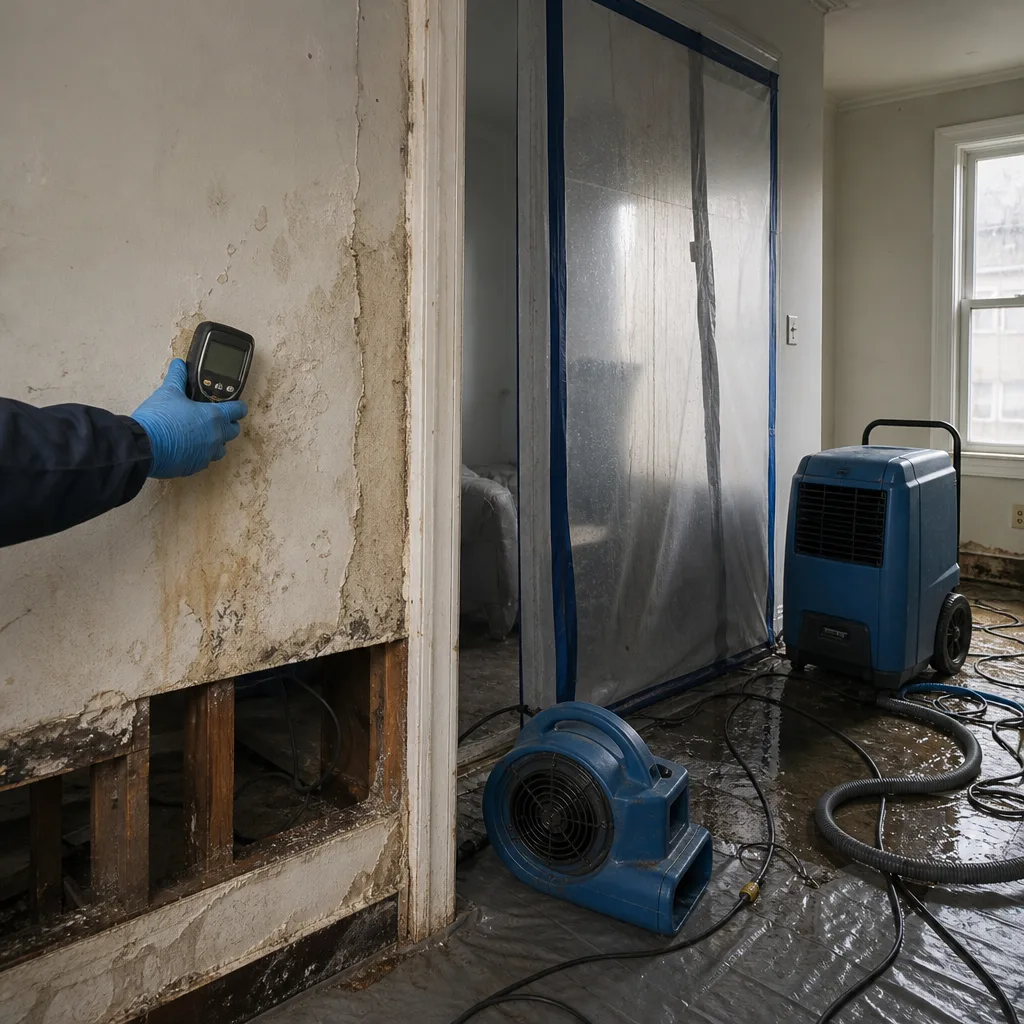
We pull standing water with truck-mounted extraction, then set containment around the affected area to keep the rest of the home clean while drying runs. In co-op buildings, containment also protects common hallways and neighboring units from dust and airborne moisture. We document everything, because your insurance claim goes smoother when the adjuster sees a clean scope of loss with before, during, and after photos.
Structural Drying and Moisture Mapping
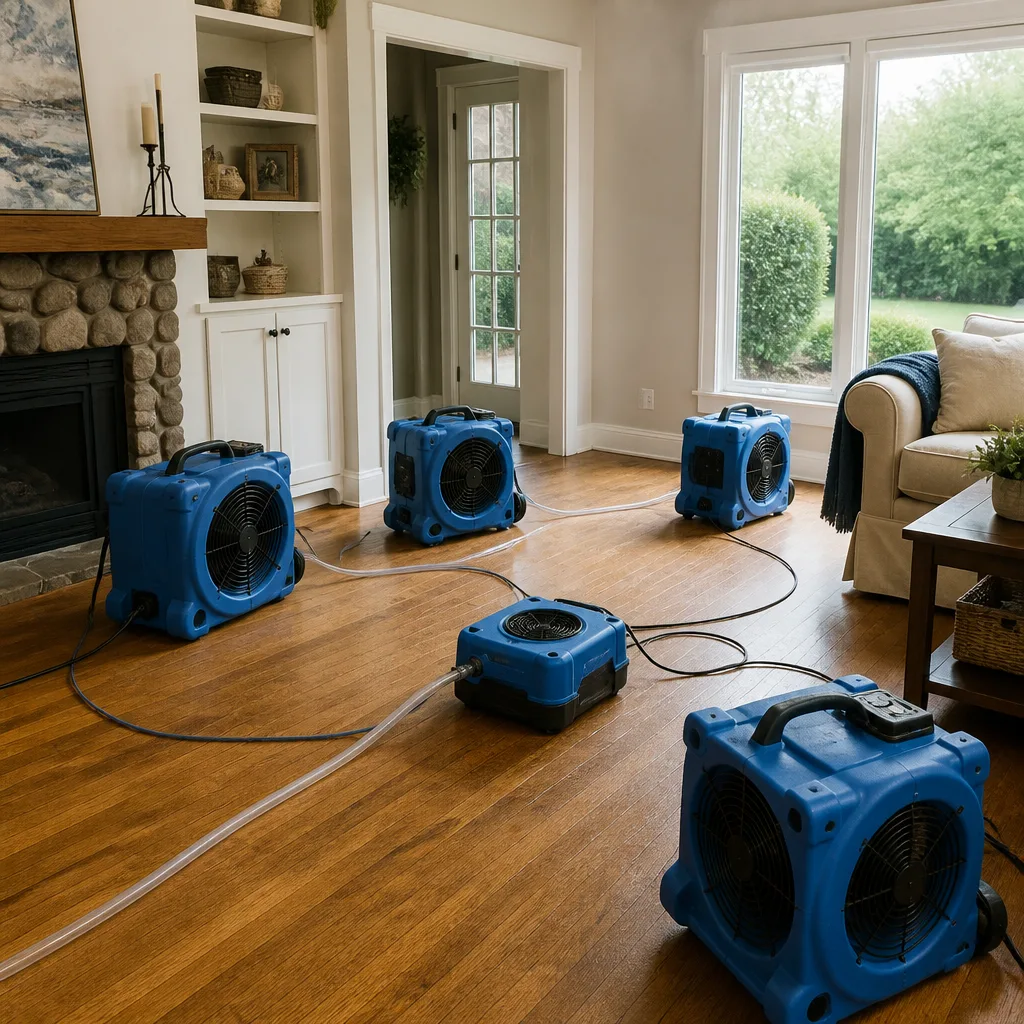
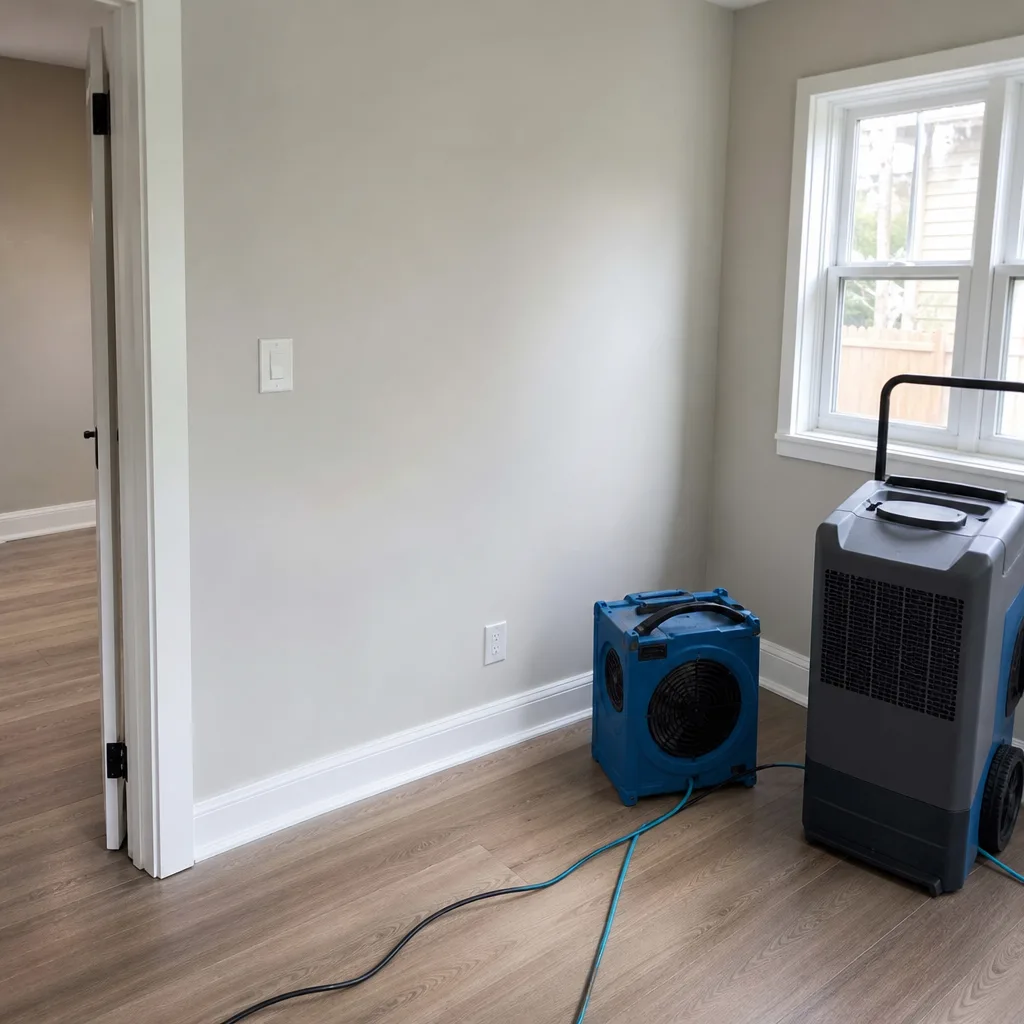
We map moisture with thermal imaging and pinless meters, then place air movers and dehumidifiers to a drying plan. In older Forest Hills buildings, we use Injectidry panels to pull water from inside wall cavities and under plaster without tearing the surface off. The goal is to hit the dry standard, not to over-dry. Overdrying historic plaster causes shrinkage cracks and keyway failure, which is exactly the kind of secondary damage that ruins a landmark-era wall.
Trusted Brands We Service in Forest Hills
We run Dri-Eaz, Phoenix, and XPOWER extraction and drying equipment, with Injectidry panels for in-place drying of plaster and flooring. The work follows IICRC, RIA, and IFA standards, and every job is documented to support your insurance claim. For Forest Hills homeowners, that means the same professional-grade equipment used on commercial restoration jobs shows up at your co-op or single-family home, operated by a crew that knows how to run it in tight pre-war spaces with old electrical panels. We stock common parts and filters locally so drying time doesn’t stall.
See the difference
 Before
 After
After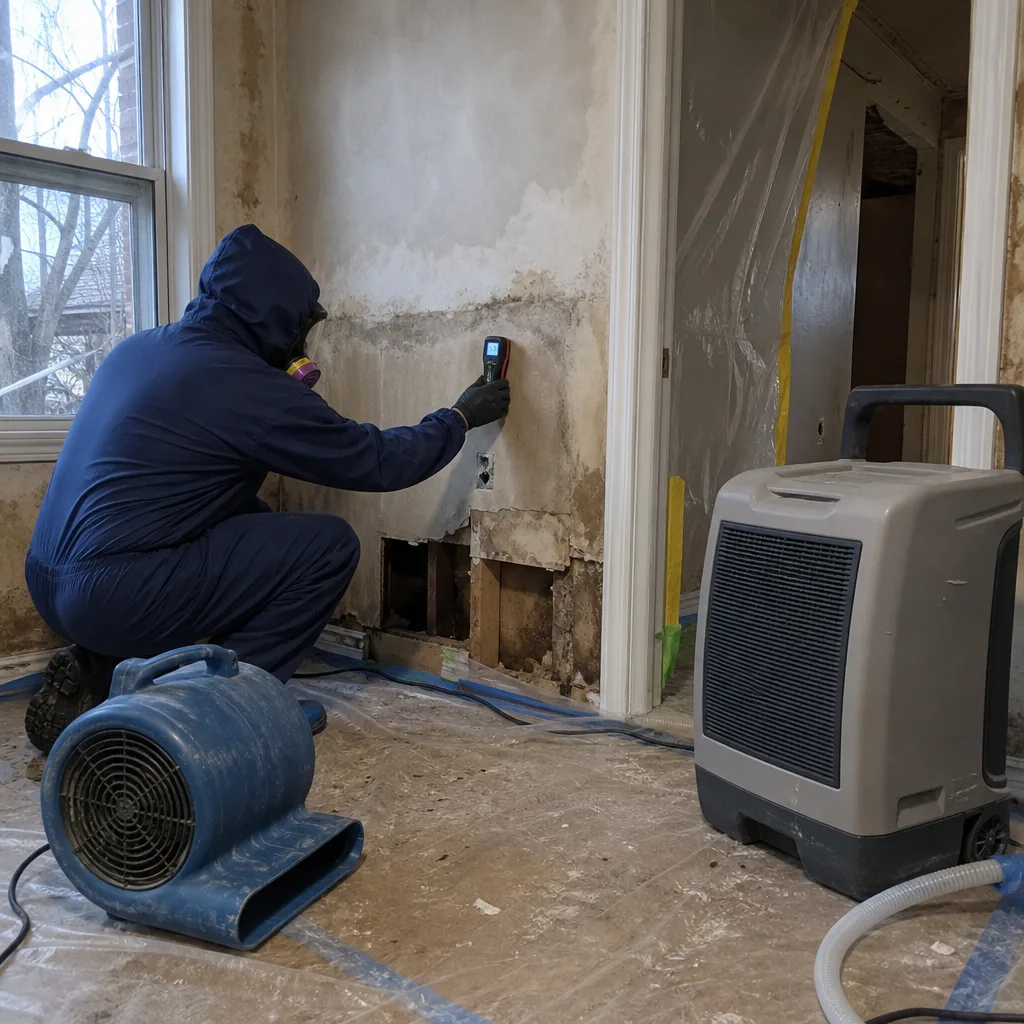 Before
 After
After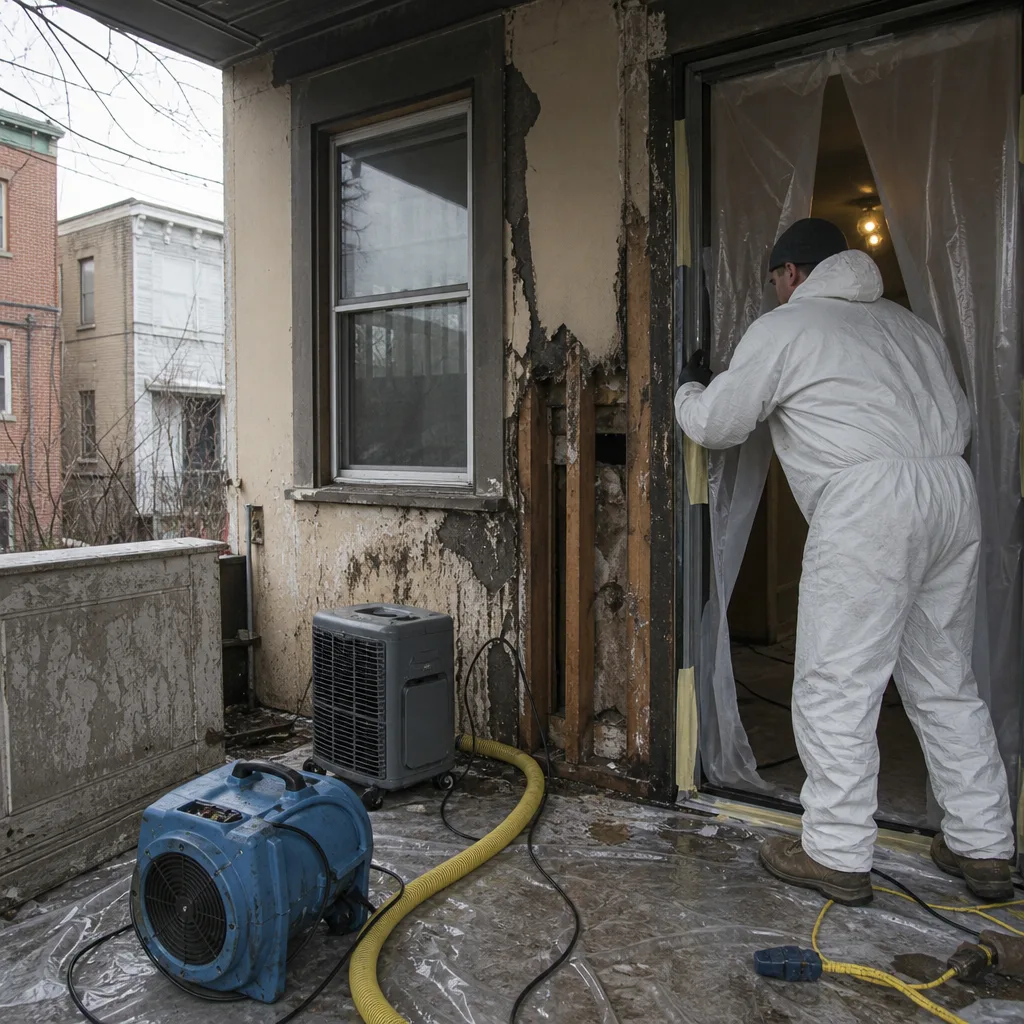 Before
 After
AfterCommon Water Damage Restoration Problems We See in Forest Hills Homes
- Landmark-era plaster that can’t be torn out. In Forest Hills Gardens, the preservation rules require drying in place and restoring original finishes. Crews that don’t do injection drying turn a manageable leak into a gut renovation that the landmark board will fight.
- Aging cast-iron radiators and supply lines. The original heating systems in pre-war co-ops and Tudors were built to last a long time, but they’ve lasted long enough. A 1920s supply line under oak parquet fails without warning, and the water sits in the plaster before anyone notices.
- Co-op board approval delays. Waiting for a board or management company to sign off on mitigation lets water sit in lath-and-plaster and flooring. Mold colonizes within 48 hours, and a clean-water leak becomes a code-level remediation job.
- Grey water from old galvanized drains. A bathroom overflow in a mid-century brick co-op is not always Category 1. Galvanized drain lines carry decades of buildup, so what looks like clean tub water often needs antimicrobial treatment before drying even starts.
Pricing for Water Damage Restoration in Forest Hills, NY
Here’s what you’re looking at in the Forest Hills market, based on the jobs we run here:
| Service | Typical Range |
|---|---|
| Emergency water extraction (single room) | $800 – $2,200 |
| Structural drying and dehumidification (3 – 5 days) | $1,200 – $3,800 |
| Burst pipe restoration (including mitigation and repair) | $2,500 – $7,000 |
| Plaster and historic finish repair (Forest Hills Gardens) | $1,500 – $5,000+ |
| Basement water removal and drying | $1,500 – $4,500 |
| Ceiling and roof leak mitigation and repair | $900 – $3,500 |
The factors that move the number are the water category, how far the moisture has wicked, whether historic materials require injection drying, and whether your insurance adjuster is involved from the start. We put the price in writing before any work begins, and it never moves at the door. Call (607) 325-7185 for a free estimate.
We Also Serve Cities Near Forest Hills
Our Forest Hills crew regularly handles water damage restoration in Water Damage Restoration in Forest Hills and the surrounding neighborhoods. We serve Rego Park, Elmhurst, Ozone Park, and Brooklyn, with the same written standard and response times. If you’re just outside Forest Hills, call us and we’ll tell you straight whether we can get to you within the window you need.
Serving Forest Hills, NY - Our Local Coverage Area
We’re based in the Forest Hills area and know this community well. Use the map below to see our service coverage - if you’re nearby, we can almost certainly help.
FAQs About Water Damage Restoration in Forest Hills
Yes. In the landmarked Forest Hills Gardens district, repairs to visible historic elements, including plaster finishes, window trim, and certain flooring, must use period-appropriate materials and may require review by the preservation board. We dry lath-and-plaster in place with injection drying specifically because tear-out is restricted, and we match historic finishes instead of swapping in modern materials. Call (607) 325-7185 if you need a crew that works to those rules.
Most radiator leaks are Category 1, which is clean water from the heating system. But if the water sits in old flooring or runs through a drain pan that has not been cleaned in decades, it can pick up enough contamination to be treated as Category 2. We test and document the category before drying starts, because it changes the scope and your insurance claim. Call us at (607) 325-7185 and we’ll walk you through it.
Yes. We use Injectidry injection drying panels that pull moisture from inside the wall cavity through the plaster surface without removing it. This preserves the original hand-troweled finish and the lath behind it. Last winter, our crew responded to a burst supply line in a pre-war co-op on Burns Street, where a 1920s cast-iron radiator had wicked water into oak parquet and horsehair plaster. We set containment around the dining room, mapped moisture with thermal imaging, and used Injectidry panels to dry the plaster in place while preserving the finish.
Mold can begin colonizing wet organic materials like horsehair plaster and wood lath within 48 hours, especially during Forest Hills’s humid summer months. In a garden apartment with shared walls, that timeline is shorter because the cavity air doesn’t move. The mitigation needs to start the same day the leak is discovered, which is why we answer live and dispatch immediately. Call (607) 325-7185 the moment you see water.
Yes. We coordinate pack-outs for co-op units where the affected room needs full drying and the resident’s belongings need to be moved, inventoried, and stored. Forest Hills co-ops often have no basement storage and tight elevator access, so we stage the pack-out in sequence with drying to keep disruption down. The inventory is documented for your adjuster. Call (607) 325-7185 to talk through the scope.
Water damage in Forest Hills moves fast, and the older the building, the faster it moves. If you’re dealing with a burst pipe, a radiator leak, or a ceiling that’s staining, call (607) 325-7185 now. A live person answers, we give you a straight answer, and we put the price in writing before any work starts.
Written by Shane Pruitt, Owner at Keegan Restoration Brooklyn, serving Forest Hills since 2005.