
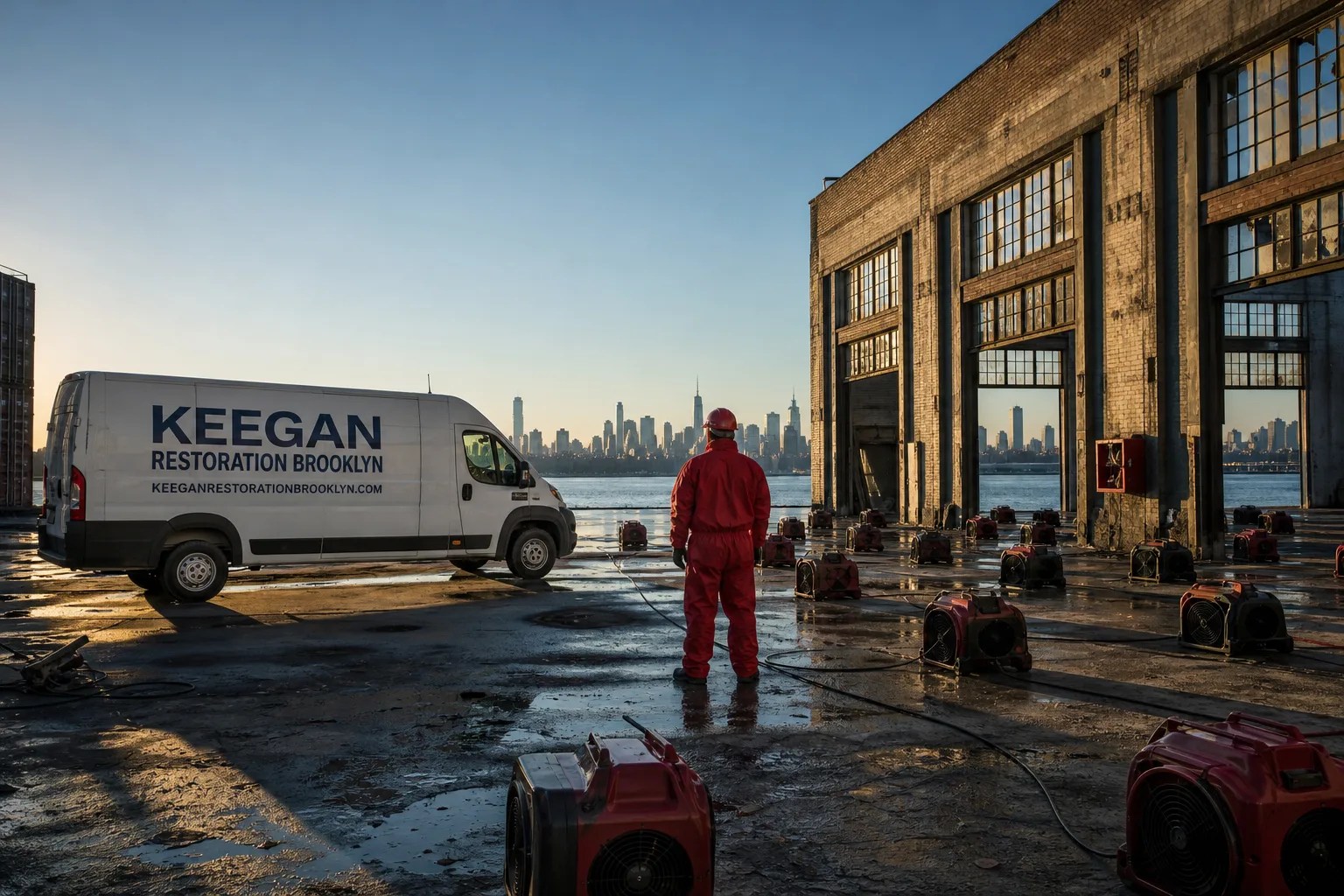
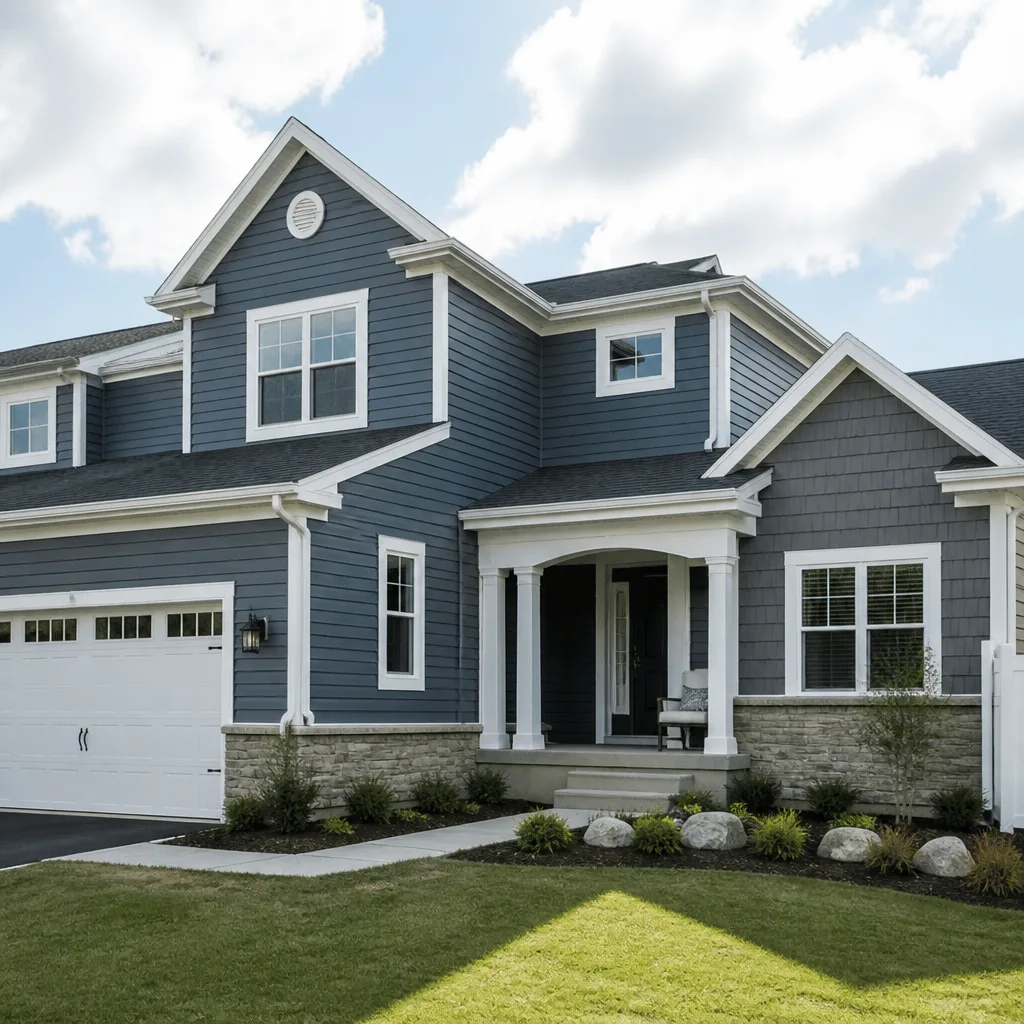
 Storm response
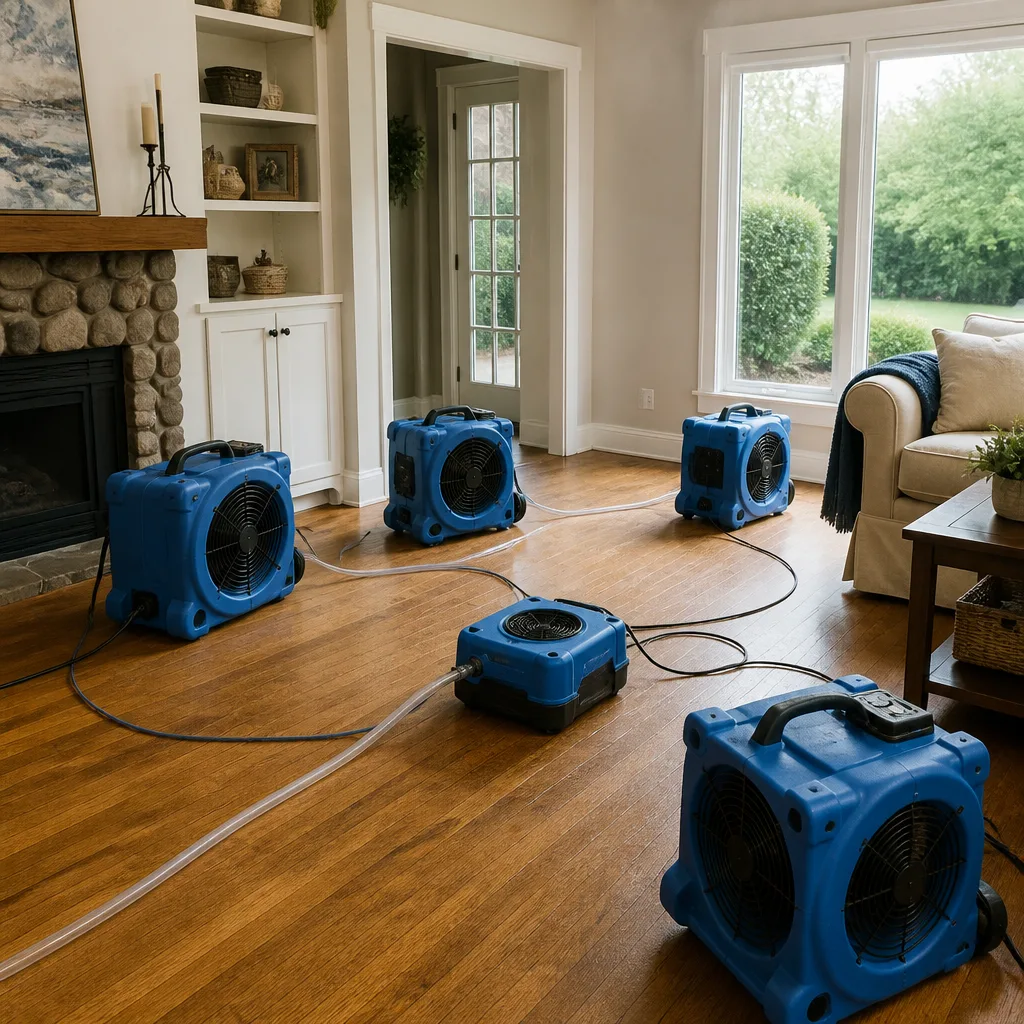 Water damage drying
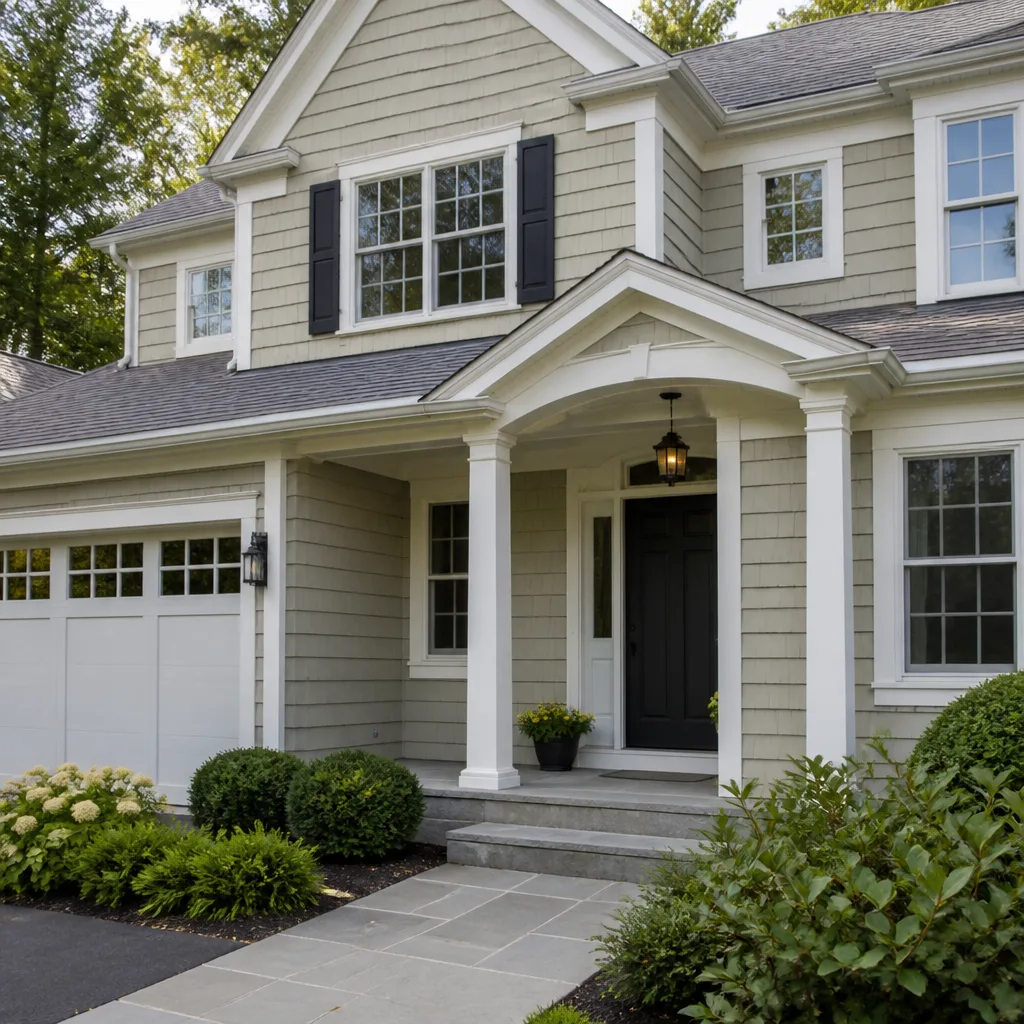 Fire & smoke cleanup
 Mold remediation
 Sewage cleanup
 Reconstruction
Free visual inspection and a written scope of work before any mitigation begins - photos, moisture readings, and drying logs go in your claim file
The scope we write is the scope we bill. Anything new gets shown to you, in writing, before we touch it.
Get your free estimateRestoration work we handle
See the difference
 Before
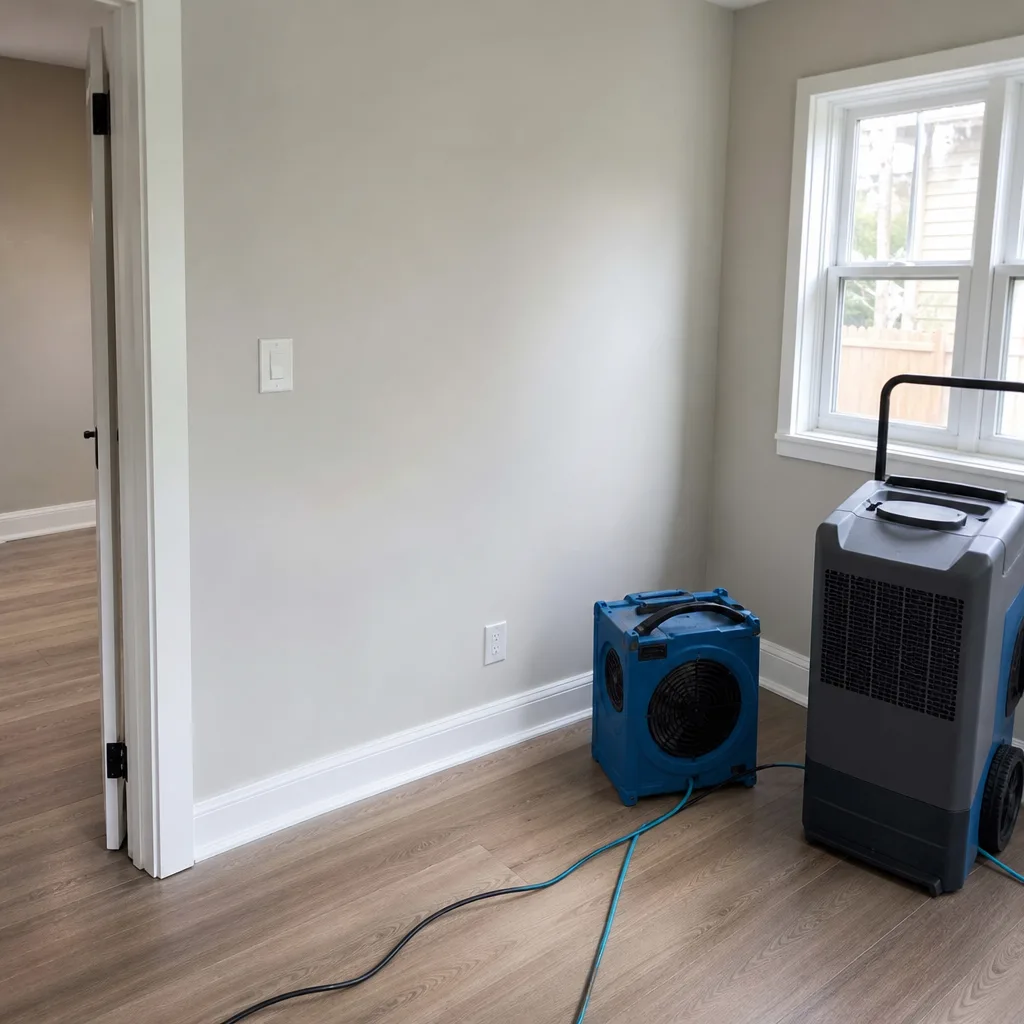 After
After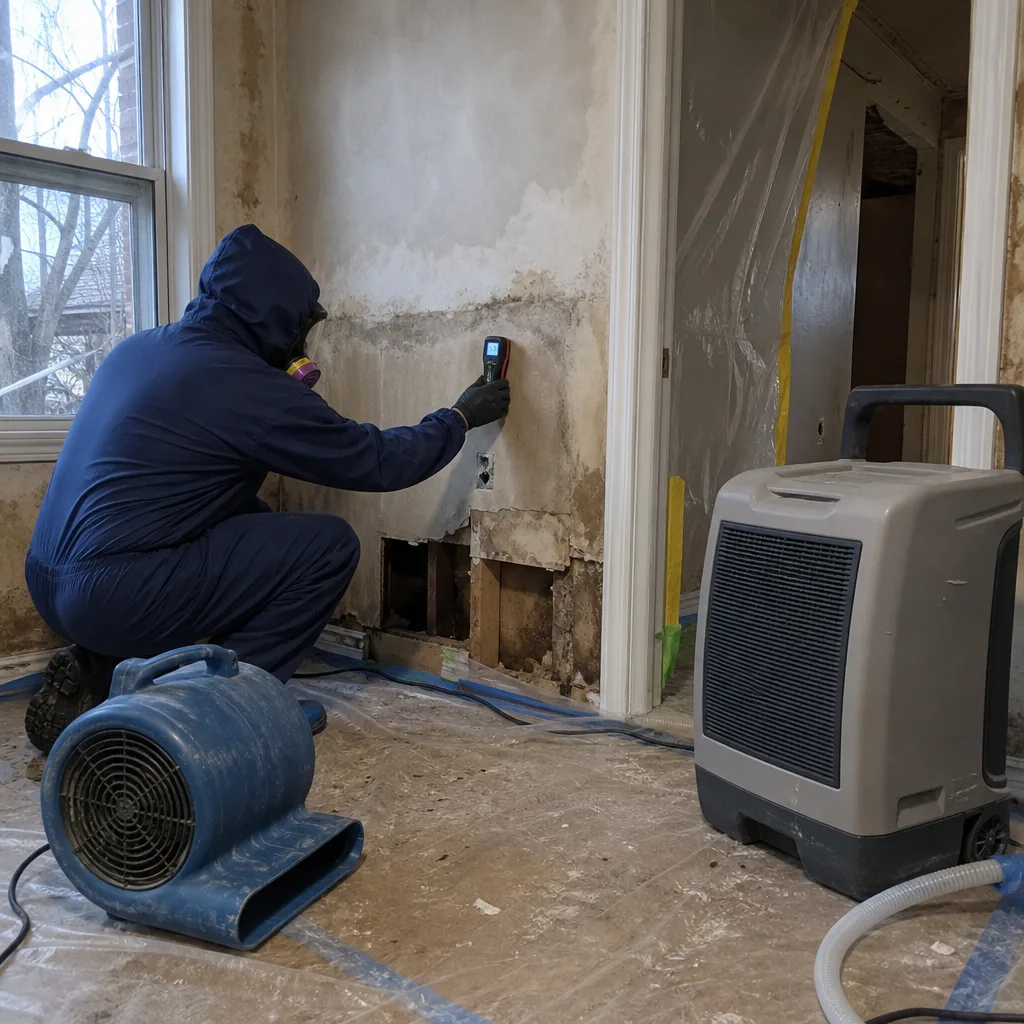 Before
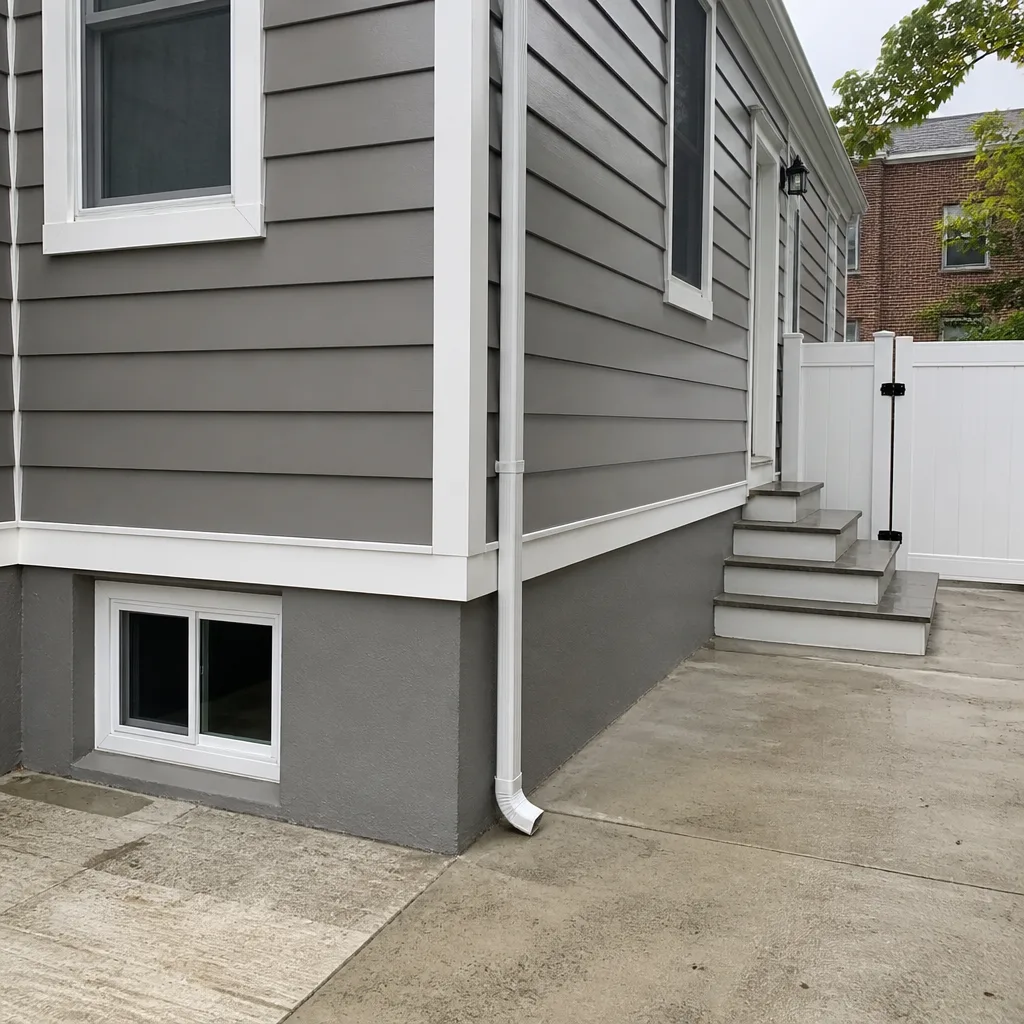 After
After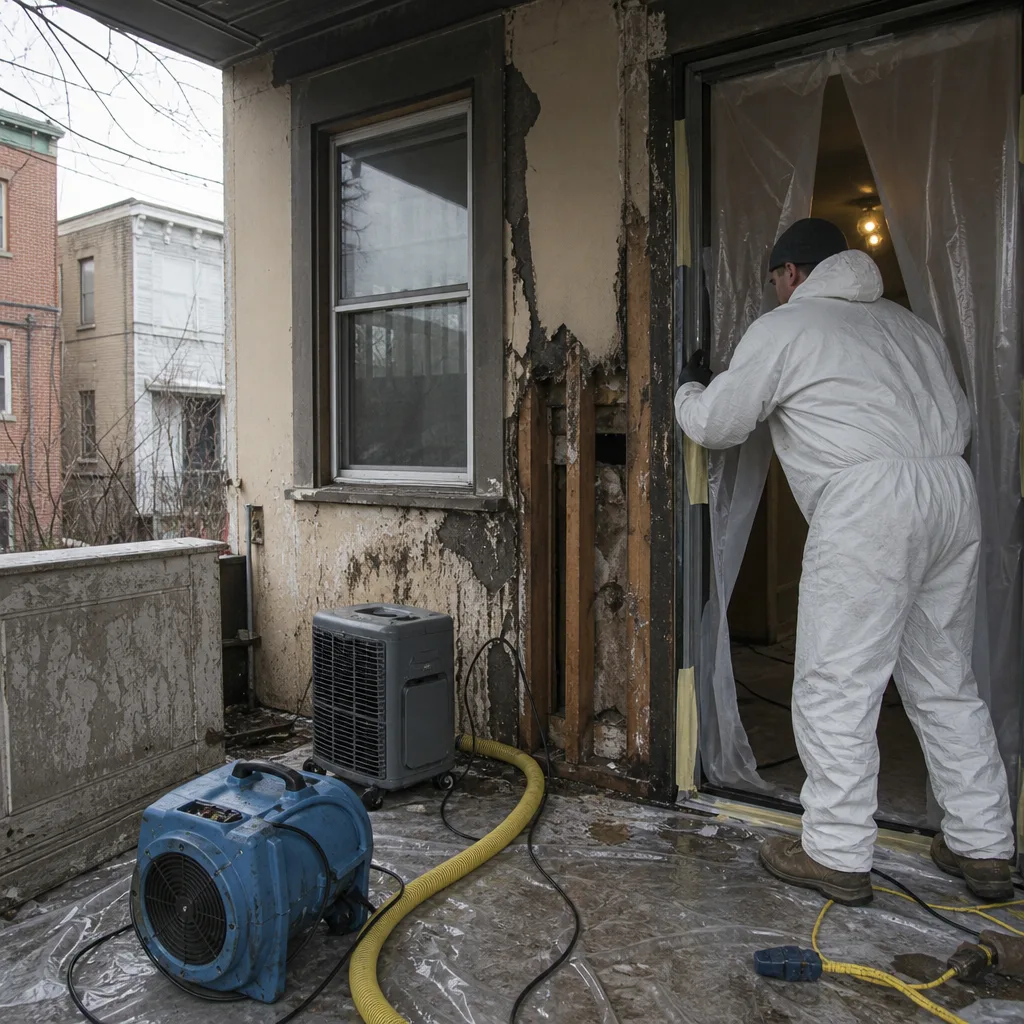 Before
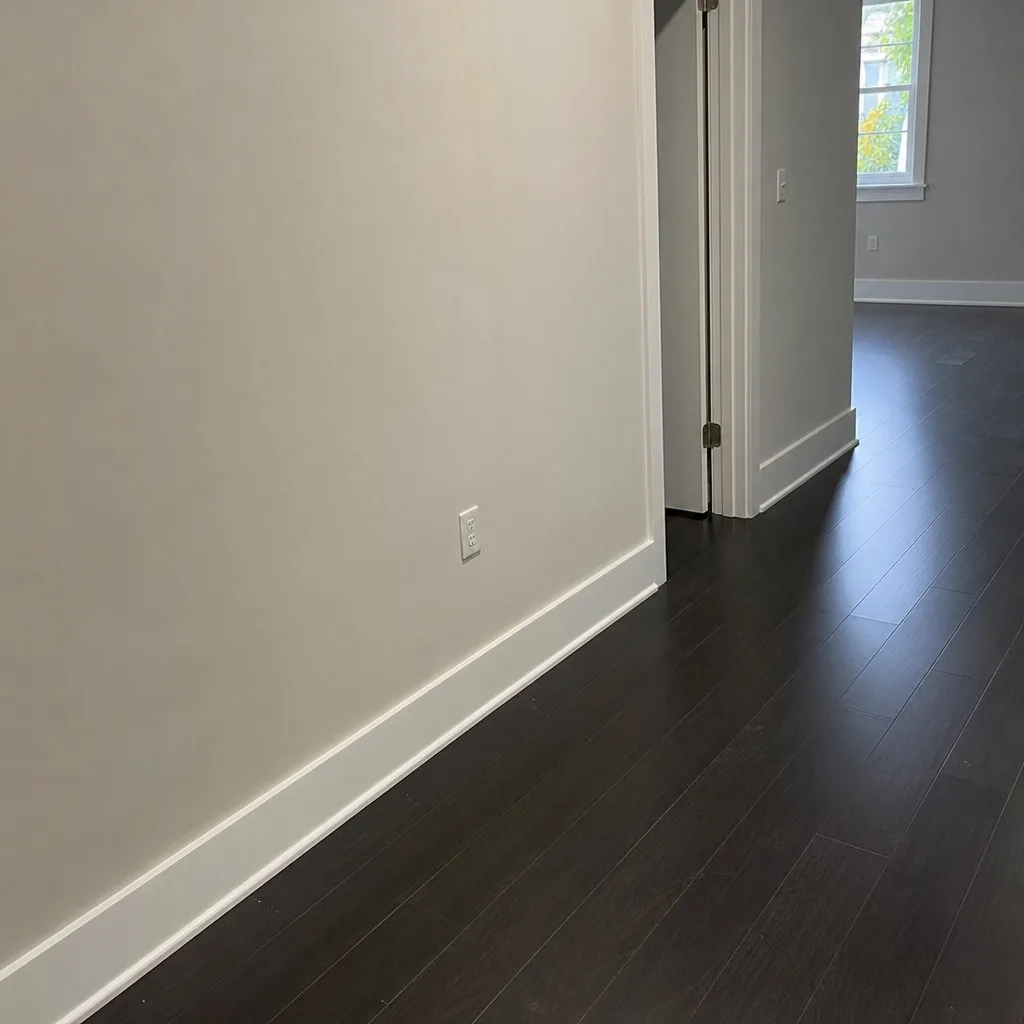 After
AfterHow Much Does Storm & Disaster Restoration Cost in Brooklyn?
Storm and disaster restoration in Brooklyn, NY typically costs between $2,500 and $15,000 for most residential jobs, with water extraction and drying running $1,800 to $5,000, fire and smoke remediation $4,000 to $25,000, and full structural rebuilds exceeding $50,000. The average Brooklyn homeowner spends around $7,400 after a significant storm event. Your final number depends on the scope of damage, how quickly water is extracted, and whether mold has begun to establish.
If you’re standing in a flooded basement on Ocean Parkway or looking at a tree limb through your roof in Mill Basin right now, call (607) 325-7185. A live person answers, day or night, and we’ll give you a written price before any equipment comes off the truck.
Key Takeaways:
- Water extraction and drying: $1,800 – $5,000 for a typical Brooklyn basement or first floor
- Fire and smoke restoration: $4,000 – $25,000 depending on square footage and structural involvement
- Mold remediation following water intrusion: $2,500 – $8,000 for isolated areas, $10,000+ for whole-room contamination
- Most Brooklyn homeowners file an insurance claim; our documentation is formatted to support it
- Free estimates, written pricing before work starts, and a 365-day written guarantee on every job
Storm & Disaster Restoration Cost Breakdown (2026)
Here’s what we’re seeing across Brooklyn in 2026, from Bay Ridge to East New York. These are real working numbers from jobs we’ve scoped this year, not national averages that ignore the borough’s older housing stock and tight access conditions.
| Service | Typical Cost Range (Brooklyn, 2026) | What It Includes |
|---|---|---|
| Water extraction only | $1,800 – $3,500 | Pump-and-vac removal of standing water, initial moisture mapping, equipment setup |
| Structural drying (3 – 5 days) | $2,000 – $5,000 | Commercial dehumidifiers, air movers, daily moisture readings, psychrometric monitoring |
| Full water damage restoration | $4,500 – $12,000 | Extraction, drying, drywall/baseboard removal, antimicrobial treatment, reconstruction prep |
| Fire & smoke restoration | $4,000 – $25,000 | Soot removal, smoke odor neutralization, content cleaning, structural cleaning, sealing |
| Mold remediation (isolated) | $2,500 – $8,000 | Containment, HEPA air scrubbing, removal of affected materials, treatment, post-remediation verification |
| Storm damage mitigation | $1,500 – $6,000 | Board-up, tarping, temporary roof repair, debris removal, water barrier installation |
| Full rebuild / reconstruction | $25,000 – $75,000+ | Framing, drywall, electrical/plumbing restoration, flooring, finishing |
Those ranges move based on a few things that are especially sharp in Brooklyn. Pre-war rowhouses with plaster walls and wood lath absorb water differently than drywall-on-studs construction. Three-story walk-ups with narrow stairwells take longer to move equipment through, and time on site is labor cost. And if your building has a shared party wall with a neighbor, we sometimes have to coordinate access, which adds scheduling complexity.
What Affects Storm & Disaster Restoration Pricing in Brooklyn
Every job is priced after we walk the site, but here’s what moves the number, in order of impact, based on what we see regularly across the borough.
- Water category and contamination level. Clean water from a burst supply line in Park Slope costs less to handle than Category 3 water from a sewer backup in Coney Island, which requires full containment, antimicrobial treatment, and disposal of porous materials. Category 3 work typically runs 30 – 50% higher.
- How long the water sat before extraction started. In Sheepshead Bay basements where water sat overnight, we’re often cutting drywall and pulling carpet within the first hour. Every day of delay adds roughly $800 – $1,500 in additional material removal and drying time.
- Square footage and number of affected rooms. A single finished basement in Williamsburg is different from a three-floor townhouse in Cobble Hill where water traveled down through ceilings. Multi-room jobs require more equipment, more labor, and longer drying cycles.
- Structural materials involved. Hardwood floors common in Prospect Heights brownstones often need specialized drying and refinishing rather than replacement. Plaster walls in older Ditmas Park homes can sometimes be saved with injection drying, but that’s slower and more labor-intensive than replacing drywall.
- Access constraints. Narrow brownstone stairwells in Bed-Stuy, garden-level entrances, or basement-only access in Carroll Gardens all slow equipment movement. That’s billed time. Where we can stage equipment curbside and run hoses, pricing is more efficient.
- Mold establishment. In Brooklyn’s humid summers, mold can begin within 48 – 72 hours of water intrusion. If we’re brought in after that window, remediation costs are added on top of restoration, typically $2,500 – $8,000 depending on spread.
We put the full scope in writing before any work begins. No door-price changes, no “we found more” surprises that weren’t documented and agreed to first. That’s The Garrison Standard, and it applies to every job we run in Brooklyn.
Brooklyn-Specific Cost Drivers You Should Know About
Brooklyn isn’t a generic market, and storm restoration pricing reflects that. Here are the borough-specific factors we work around constantly.
Older Housing Stock
Much of Brooklyn’s residential inventory was built before 1940. That means plaster over wood lath instead of drywall, cast iron drainage instead of PVC, and framing that sometimes doesn’t match modern code dimensions. Restoration in these homes requires more careful moisture mapping and often more material removal, because plaster retains water longer and hides damage behind its surface. We dry these homes using psychrometrics, which is the science of measuring temperature, humidity, and dew point to determine exactly when materials are actually dry, not just dry to the touch.
Coastal Flood Zones
Neighborhoods like Gerritsen Beach, Sheepshead Bay, Manhattan Beach, and parts of Red Hook sit in FEMA flood zones. Storm surge and heavy rainfall events bring brackish or salt water into homes, which is more corrosive to electrical systems, fasteners, and framing than freshwater. Restoration in these areas often requires more aggressive material removal and replacement because salt contamination in wood and insulation can’t be fully rinsed or dried. We see this regularly in post-storm work along the Belt Parkway corridor.
Dense Construction and Basement Conversions
Brooklyn has one of the highest rates of finished basement conversions in the city. Finished basements mean more materials to dry or remove: drywall, insulation, flooring, trim. An unfinished basement in East Flatbush might take three days to dry. A finished basement rec room in Gravesend with built-ins and a bathroom can take seven to ten days and cost three times as much.
Insurance Claim Documentation
Brooklyn homeowners carry a range of policies, from standard homeowners insurance to NFIP flood policies. Your adjuster will want documentation: moisture readings by room, photo logs, scope-of-loss reports, and itemized labor and materials. We format every job record to support your claim, which matters because the documentation quality can affect how much your carrier approves. We’ve seen difference of thousands of dollars in settlement amounts based on how thoroughly the scope of loss is documented.
How Storm & Disaster Restoration Actually Works (Step by Step)
Here’s the sequence we follow on every storm job in Brooklyn, from first call to final walkthrough. Knowing the steps helps you understand where your money goes.
- Emergency response and site assessment. We arrive, walk the affected area, identify the water source or fire point of origin, and take initial moisture readings. You get a written scope of loss and a fixed price before any equipment is unloaded.
- Water extraction. Standing water is removed using truck-mounted or portable extraction units. For flooded basements in Gravesend or Midwood, this often means thousands of gallons out the door in the first few hours.
- Containment and material removal. Affected drywall, insulation, carpet, and padding are cut out and bagged. For mold or Category 3 water, we build containment barriers under negative air pressure to prevent cross-contamination.
- Structural drying. Commercial-grade dehumidifiers from Dri-Eaz, Phoenix, and XPOWER, plus B-Air air movers, run continuously for 3 to 7 days. We take daily moisture readings using psychrometric calculations to confirm when materials reach their dry standard.
- Antimicrobial treatment and odor control. Exposed framing and subfloor are treated with EPA-registered antimicrobials. For smoke jobs, hydroxyl or ozone treatment neutralizes odor at the molecular level. For water jobs, this step prevents mold from taking hold during reconstruction.
- Reconstruction and finish work. Drywall, paint, flooring, and trim are restored to pre-loss condition. This is where the bulk of material costs land on larger jobs.
- Final walkthrough and documentation handoff. We walk the site with you, confirm every line item was completed, and hand over a complete documentation package formatted for your insurance carrier. Your 365-Day Done Right Promise starts the day we finish.
That last step matters. If anything fails within a year, we come back and make it right at no charge. It’s in writing. It’s called the 365-Day Done Right Promise, and it’s part of every job we run in Brooklyn.
How to Save on Storm & Disaster Restoration in Brooklyn
We don’t play pricing games, but there are legitimate ways to control your restoration bill without cutting corners that’ll cost you later.
- Call immediately. The single biggest cost driver is delay. Water that sits for 24 hours causes significantly less damage than water that sits for 72. Faster extraction means less material removal and shorter drying cycles.
- Know your policy before the storm. Read your homeowners or flood policy now, not after a loss. Know your deductible, your coverage caps, and whether you have additional living expense coverage. This doesn’t reduce the restoration cost, but it reduces what comes out of your pocket.
- Document everything yourself, too. Take photos and video before we arrive, if it’s safe to do so. The more complete the record, the smoother the claim. Our documentation is comprehensive, but your own photos corroborate the timeline.
- Move personal items out of affected areas when possible. Content cleaning and pack-out services are billable. If you can relocate books, clothing, and small furniture to a dry area before we arrive, that’s money kept in your pocket.
- Don’t hire the first contractor who knocks on your door after a storm. After big weather events, out-of-state crews flood the borough. Some do decent work. Some don’t. Whoever you hire, get the price in writing before work starts and verify insurance coverage.
- Ask for a written estimate before committing. Our estimates are free. Call (607) 325-7185, we’ll walk the property and hand you a number that doesn’t move at the door.
Is Storm Restoration Covered by Insurance in Brooklyn?
In most cases, yes, but the details matter. Standard homeowners policies typically cover wind-driven rain damage, fallen trees, and water damage from a storm-opened roof or broken window. Flood damage from rising water, storm surge, or sewer backup is generally not covered under a standard policy; you need a separate flood policy through NFIP or a private carrier.
Brooklyn sits in a designated coastal zone for parts of the borough, and flood insurance requirements vary block by block. If you’re in Sheepshead Bay, Gerritsen Beach, or Red Hook and you don’t have flood coverage, a nor’easter that pushes water into your basement could be entirely out of pocket. That’s a $15,000 to $40,000 conversation no one wants to have after the fact.
Our team documents every job to support your claim, including before-and-after photos, moisture maps, equipment logs, and itemized scope-of-loss reports. We’ve worked with every major carrier operating in the borough, and our documentation format is designed to move claims through adjuster review without avoidable pushback.
FAQs – Storm & Disaster Restoration Cost in Brooklyn
How much does water damage restoration cost in Brooklyn?
Water damage restoration in Brooklyn typically runs $4,500 to $12,000 for a standard residential job involving extraction, structural drying, and material replacement. Smaller jobs, like a burst pipe in a single bathroom, can run $1,800 to $3,500. Larger multi-room jobs in finished basements can exceed $15,000. Call (607) 325-7185 for a free, written estimate based on your specific situation.
How quickly can you respond to a storm emergency in Brooklyn?
We answer the phone 24 hours a day, 7 days a week, and dispatch technicians across Brooklyn the same day in virtually all cases, including nights and weekends. Storm events with borough-wide damage can extend response windows by a few hours, but we prioritize jobs with active water intrusion. A live person answers every call; you’ll never sit in a phone tree while water is rising in your basement.
Is it cheaper to repair water damage or replace everything?
For structural materials like drywall and insulation that have been saturated, replacement is almost always cheaper than attempted repair. Drywall loses structural integrity once soaked, and insulation’s R-value is functionally destroyed. For hardwood floors, solid wood doors, and trim, specialized drying can often save materials at 40 – 60% of replacement cost. We’ll tell you which materials can be saved and which can’t, with prices for both paths, before you commit.
How much does mold remediation cost after water damage in Brooklyn?
Mold remediation in Brooklyn typically costs $2,500 to $8,000 for isolated areas like a single closet, bathroom, or section of basement wall. Whole-room or multi-room contamination runs $8,000 to $15,000 or more, depending on square footage and whether HVAC ductwork is involved. The longer water sits before drying begins, the higher this number climbs. Our Storm & Disaster Restoration in Brooklyn service includes antimicrobial treatment during the drying phase specifically to prevent this.
Can I stay in my home during storm restoration?
For water extraction and drying, yes, in most cases. The equipment is loud and runs continuously, but it doesn’t make the home unsafe. For fire restoration involving soot and smoke residue, we recommend relocating during the cleaning phase, especially if you have respiratory conditions, young children, or elderly residents. For Category 3 water jobs where sewage or floodwater is present, we’ll recommend temporary relocation while containment and antimicrobial treatment are completed. Your insurance policy may include additional living expense coverage for these situations.
What does a written guarantee actually cover?
Our 365-Day Done Right Promise covers every repair we make for a full year. If any work fails due to workmanship or materials within that year, we return and fix it at no charge. It’s in writing, it’s part of every job we run in Brooklyn, and it applies whether your insurance paid the bill or you did. No fine print, no prorating, no pushback. That promise is part of The Garrison Standard, the operating code every Keegan job runs to: show up inside the window, price in writing before work starts, do it by the book, leave the site clean, and stand behind the work for a full year.
Why Brooklyn Homeowners Choose Keegan Restoration Brooklyn
Keegan Water Damage Restoration has been part of the Garrison Partners family since 2005, and our Brooklyn location runs every job to the same standard: written price before work starts, background-checked uniformed technicians on site, professional-grade equipment, and a written one-year guarantee. We’re an independently owned and operated location, not a franchise call center, and a live person answers our phone around the clock.
Led by Shane Pruitt, our Brooklyn crew handles water damage restoration, fire damage restoration, and mold remediation. We operate Dri-Eaz, Phoenix, XPOWER, B-Air, and Injectidry equipment in compliance with IICRC, RIA, and IFA industry standards, and every job is documented to support your insurance claim. When you call, you talk to someone who can dispatch a crew, not someone reading a script.
If you’re dealing with storm damage right now, or if you want to understand your restoration options before the next storm hits, call (607) 325-7185. We’ll walk you through the scope, put the price in writing, and get to work. Visit our home page to learn more about how we operate.
Pricing reflects the Brooklyn market as of 2026. Keegan Restoration Brooklyn offers free estimates – call (607) 325-7185.
Written by Shane Pruitt, Owner at Keegan Restoration Brooklyn, serving Brooklyn since 2005.
What Our Customers Say
"Clear estimate in writing before they began. Final bill matched."
- Naomi T."Overall great. One technician no-showed on day two but the lead covered it and they finished on schedule."
- Wes K."Documented everything with photos for my insurance. No arguments from the adjuster."
- Carmen R.