
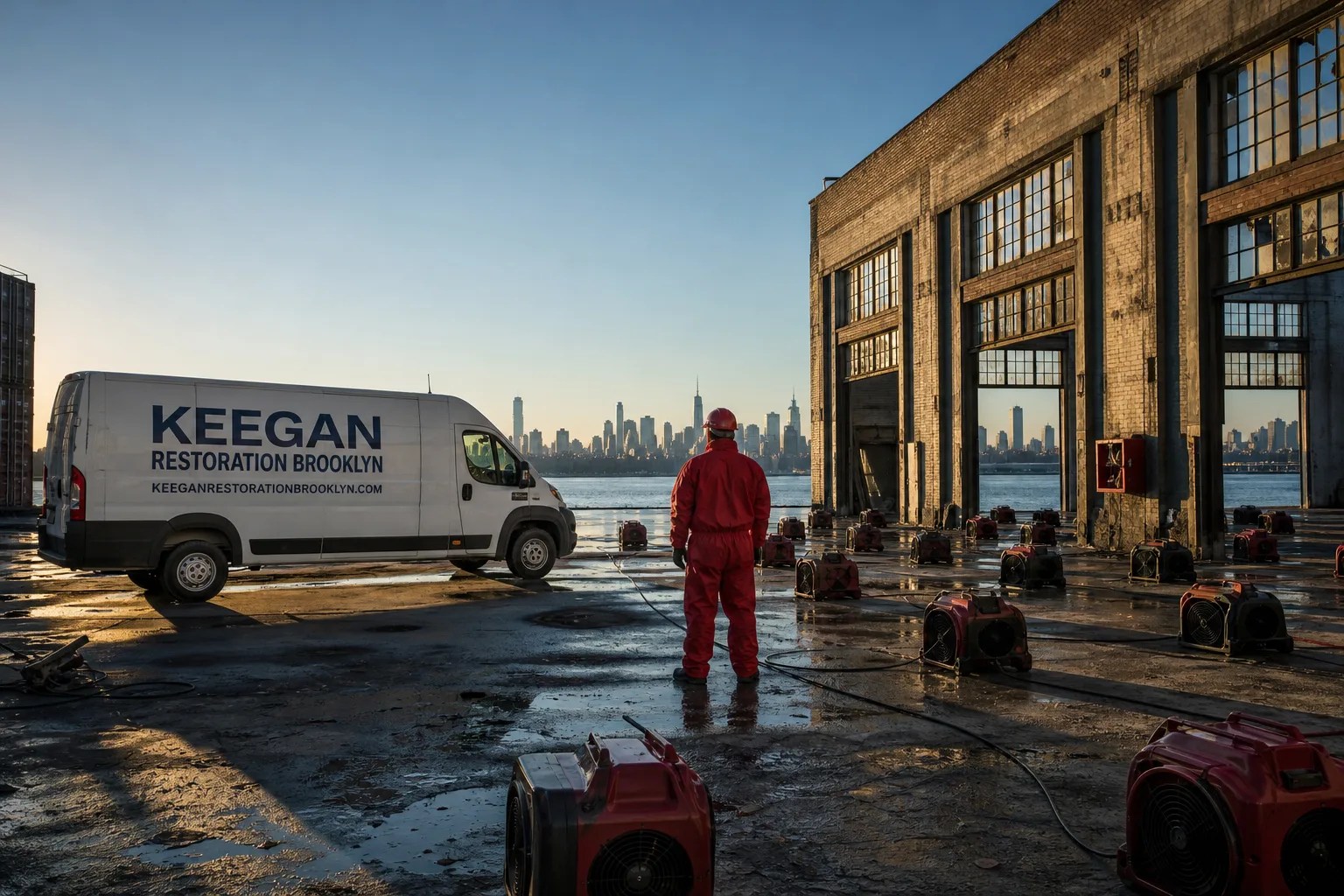
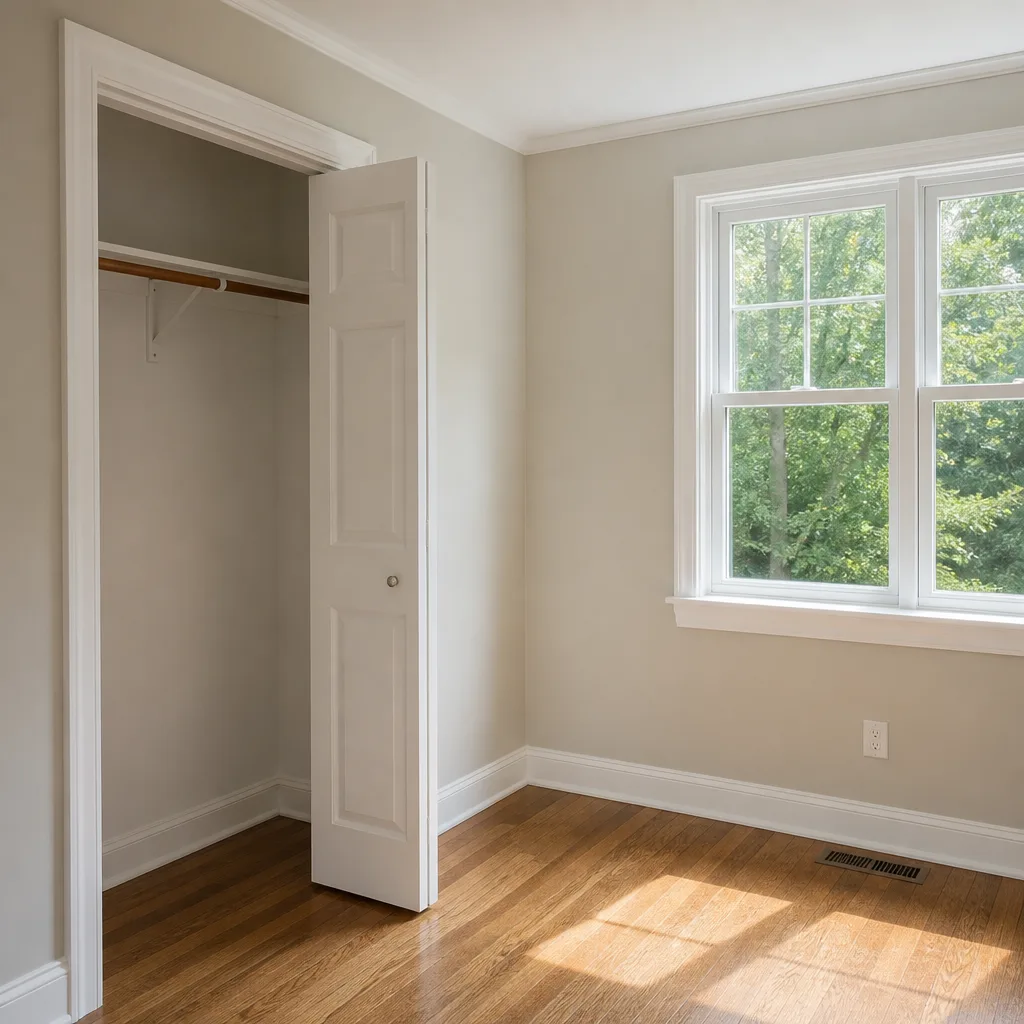
 Mold remediation
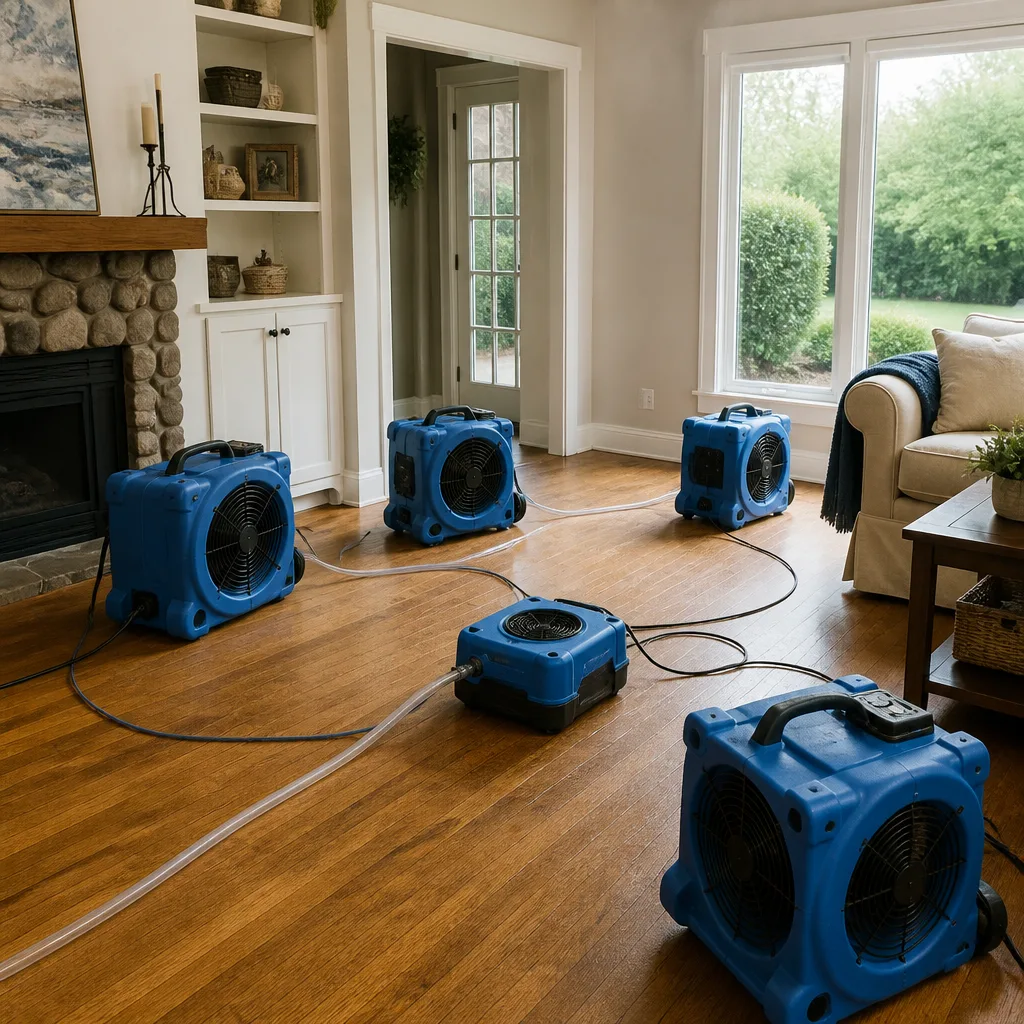 Water damage drying
 Fire & smoke cleanup
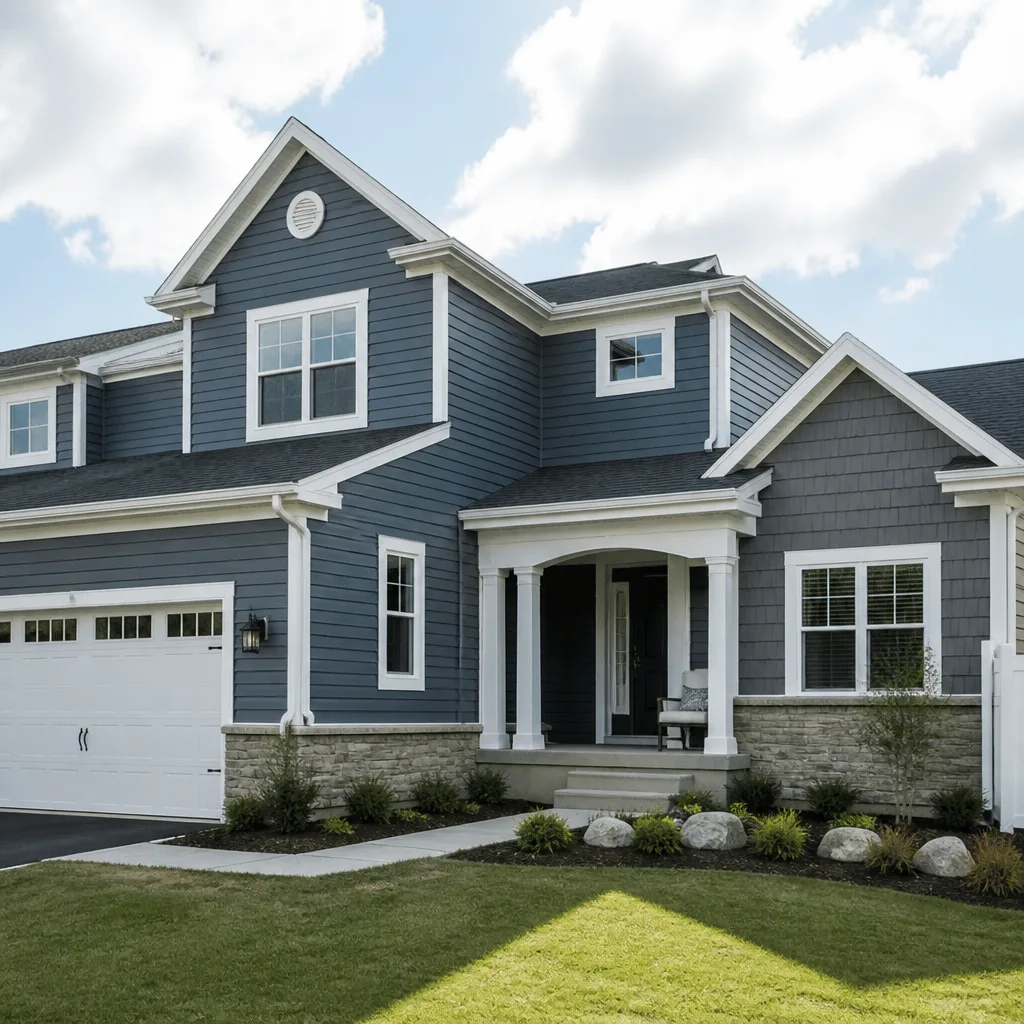 Storm response
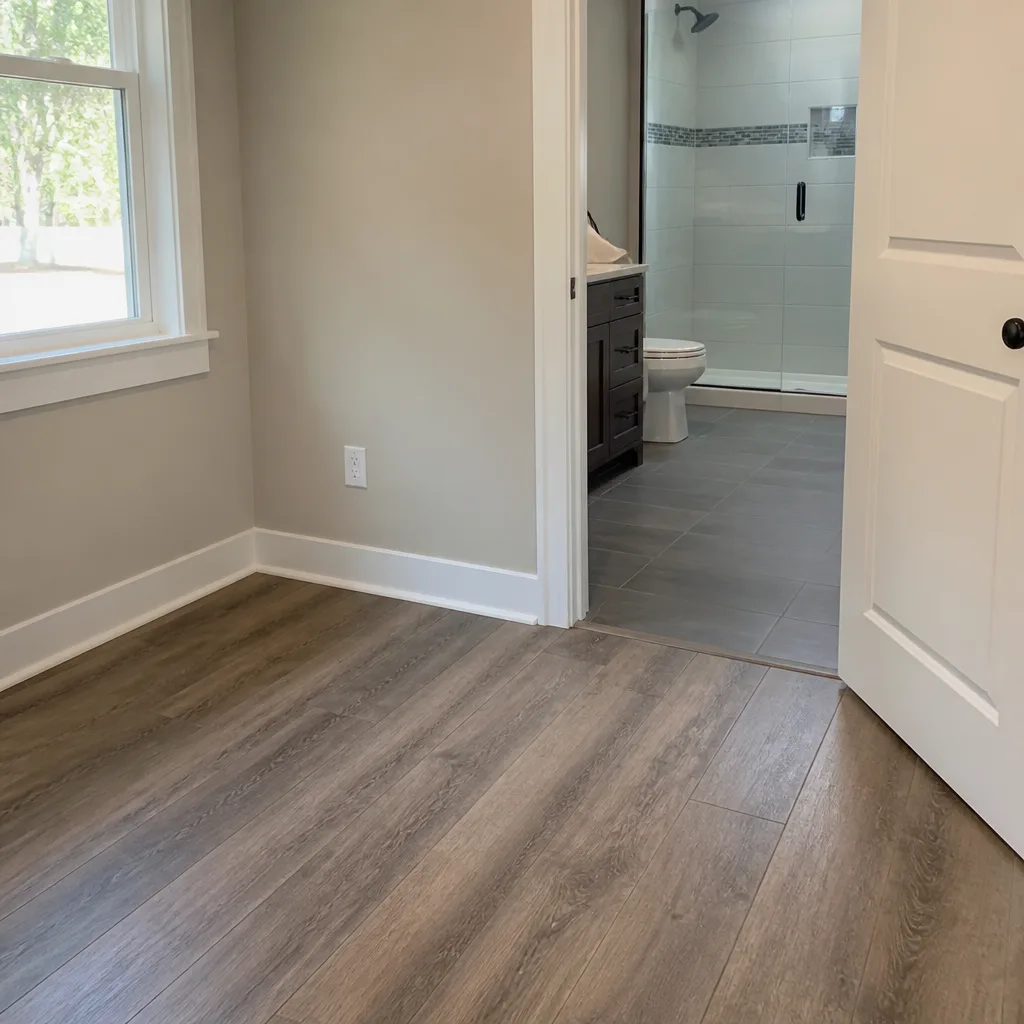 Sewage cleanup
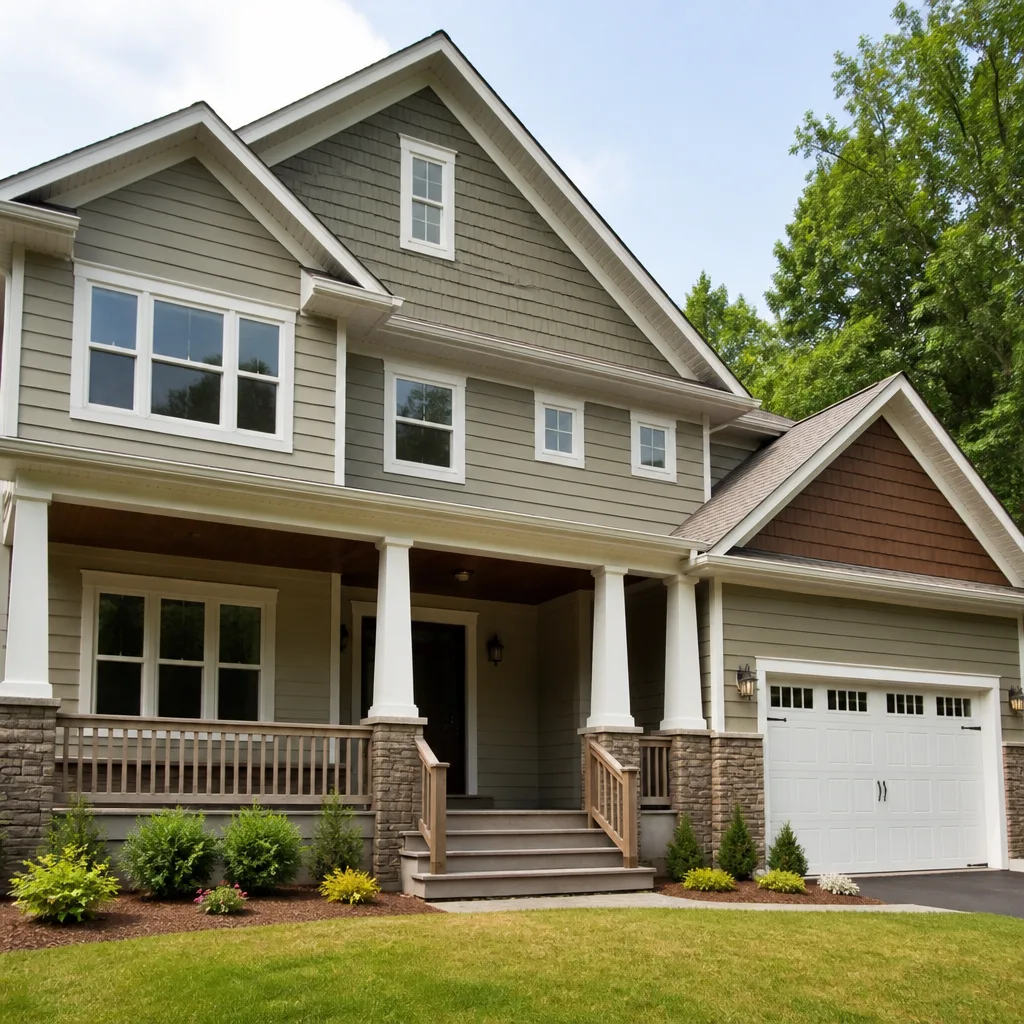 Reconstruction
Free visual inspection and a written scope of work before any mitigation begins - photos, moisture readings, and drying logs go in your claim file
The scope we write is the scope we bill. Anything new gets shown to you, in writing, before we touch it.
Get your free estimateFast, Reliable Mold Remediation Across NoHo
Mold remediation in NoHo typically runs $1,800 – $6,500 for a full containment and removal job, with bathroom-specific work landing between $900 and $2,400. Most jobs in the neighborhood start with a same-day inspection because leaks travel fast through these old buildings. If you’re seeing discoloration on original plaster or catching a musty smell near your baseboards, call (607) 325-7185 and a live person will answer, day or night.
NoHo’s converted cast-iron lofts don’t forgive slow response. A leak that starts behind a fifth-floor wall will be in the fourth-floor unit before the paint blisters. We’ve worked enough of these buildings to know where the risers run, how the shared cavities move air, and what the Landmarks Preservation Commission will and won’t allow when timber needs drying.
Key Takeaways
- Mold remediation in NoHo averages $1,800 – $6,500 depending on square footage and containment requirements.
- Shared standpipes and sprinkler risers mean one unit’s leak can become a five-floor mold event inside original timber framing.
- Every job starts with a written price before work begins. That’s The Garrison Standard, and it never moves at the door.
- We document everything and format it to support your insurance claim.
- Every repair carries the 365-Day Done Right Promise: if it fails within one year, we return and fix it at no charge.
Restoration work we handle
Why Keegan Restoration Brooklyn Is NoHo’s Preferred Mold Remediation Company
NoHo homeowners call us because we show up inside the window we gave you, put the price in writing before touching anything, and work to a written standard on every job. That’s not marketing language. That’s The Garrison Standard, and it’s been the operating rule at Keegan Restoration Brooklyn since 2005 as part of the Garrison Partners family.
Our technicians are background-checked, uniformed, and trained on the equipment that actually works in landmarked buildings: Dri-Eaz air movers, Phoenix desiccant dehumidifiers, and Injectidry systems for getting moisture out of original wood floors without cooking them. We’re IICRC, RIA, and IFA standards-compliant, and every job is documented with photo evidence formatted for your insurance claim.
Shane Pruitt leads our crews. He’s the one who signs the scope of loss, and he’s the one who answers questions if something doesn’t sit right. No phone trees. No dispatch games. A live person answers at (607) 325-7185, 24 hours a day, every day of the year.
Mold Removal Contractor in NoHo
A Mold Removal Contractor in NoHo does more than scrub black spots off drywall. The job here means opening walls behind original plaster, tracing moisture through shared cavities, setting containment so spores don’t travel through open floor plans, and drying structural timber without warping it. In NoHo, mold rarely lives where you can see it. It lives behind wainscoting on Great Jones Street, above plaster ceilings on Bond Street, inside the joist pockets where a sprinkler riser dripped for three months before anyone noticed.
Containment and Structural Drying
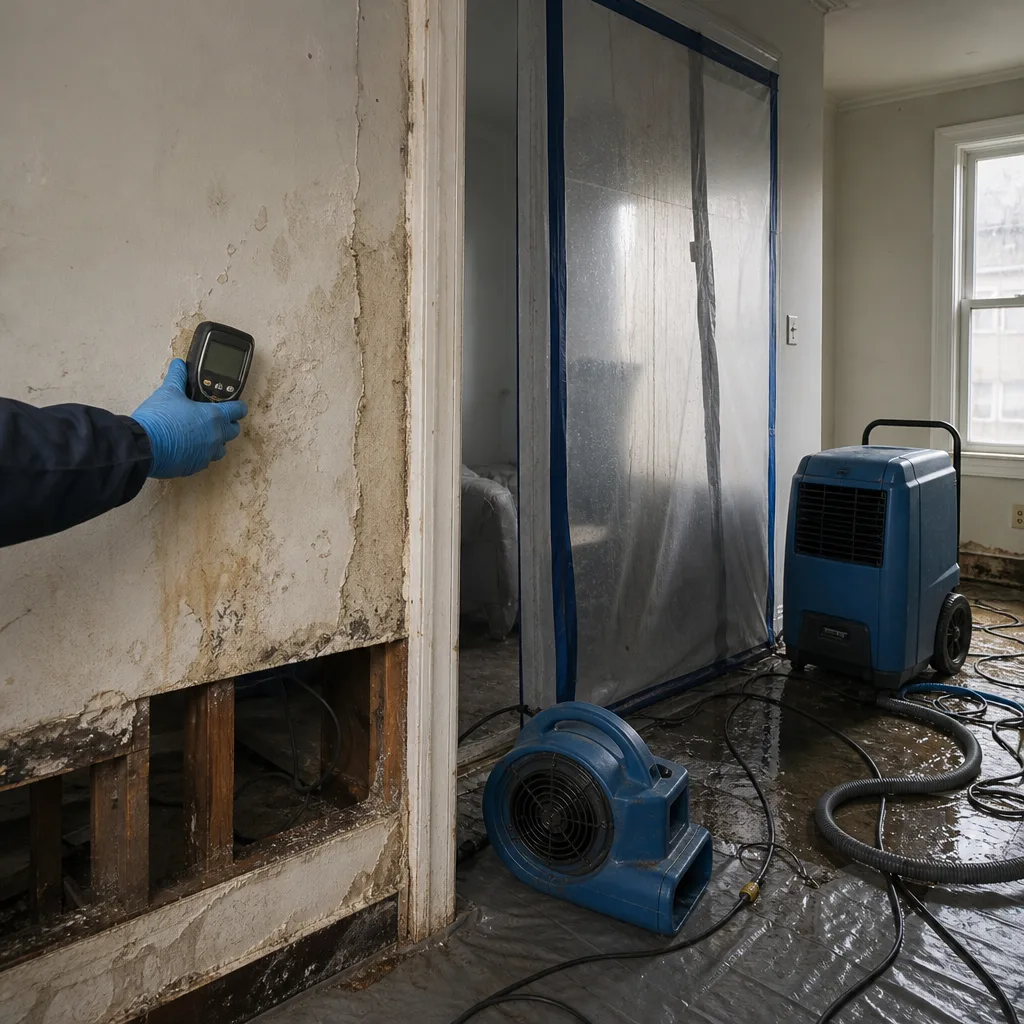
Removal starts with containment. NoHo lofts have high ceilings and open layouts, so we seal the affected zone and run negative air before any material comes out. Then we measure moisture in the framing itself. Original timber holds water differently than new lumber, and the drying plan has to respect that.
Material Removal and Antimicrobial Treatment
We remove category 2 water-damaged drywall and any plaster that can’t be saved, then apply antimicrobial treatment to the surviving structure. If original wood floors are involved, we use Injectidry systems to pull moisture out from below rather than blasting heat across the surface and causing cupping.
Bathroom Mold Removal in NoHo
Bathroom Mold Removal in NoHo is the most common call we get, and most of the time it’s not just a ventilation problem. The bathrooms in these lofts were often carved into floor plans decades after the buildings went up, which means exhaust ducts run through shared walls, and the risers that feed the sprinkler system pass right behind the shower tile. A cracked riser or a failed wax ring leaks into the original subfloor, and the mold grows from underneath.
Moisture Mapping and Source Correction
Before we remove anything, we map the moisture. That means meters on the walls, the floor, and the framing behind the tile. If the source is a plumbing defect or a leaking riser, we fix the water problem first. Removing mold without killing the source just guarantees a repeat call in six months.
Drying Original Wood Floors
Bathroom leaks in NoHo lofts often soak the original wood floors. Drying them wrong causes cupping and warping, and the Landmarks Preservation Commission will not let you replace those boards with new material. We dry them slowly, from below, with the right equipment and the right psychrometrics so they stay flat and stable.
Trusted Brands We Service in NoHo
Our crews arrive with equipment from Dri-Eaz, Phoenix, and Injectidry, and we stock the consumables NoHo jobs need, so we’re not waiting on a parts run from a supplier across the river. Whether you’re in a full-floor loft on Lafayette Street or a smaller unit on Crosby Street, the crew shows up with what the job requires. If your building has a specific access protocol or freight elevator scheduling rule, tell us on the call and we’ll plan for it.
See the difference
 Before
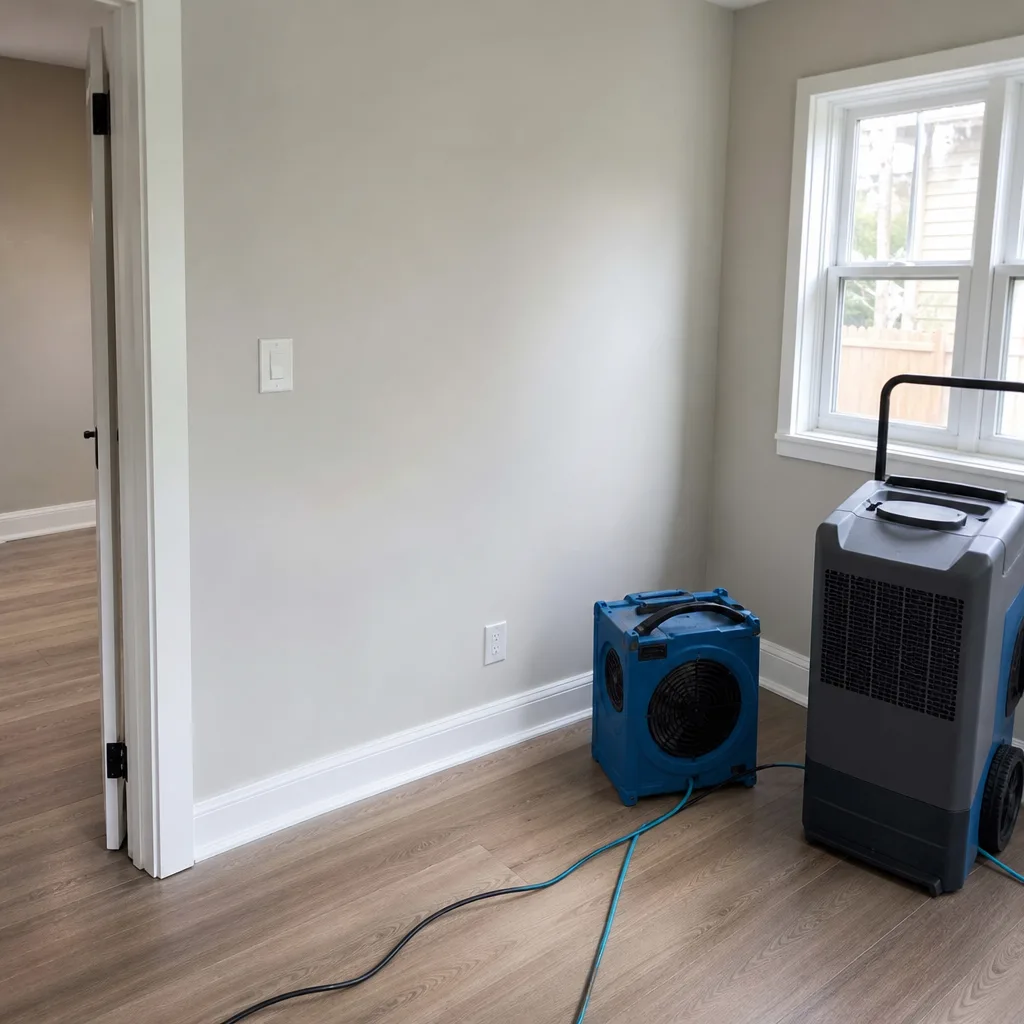 After
After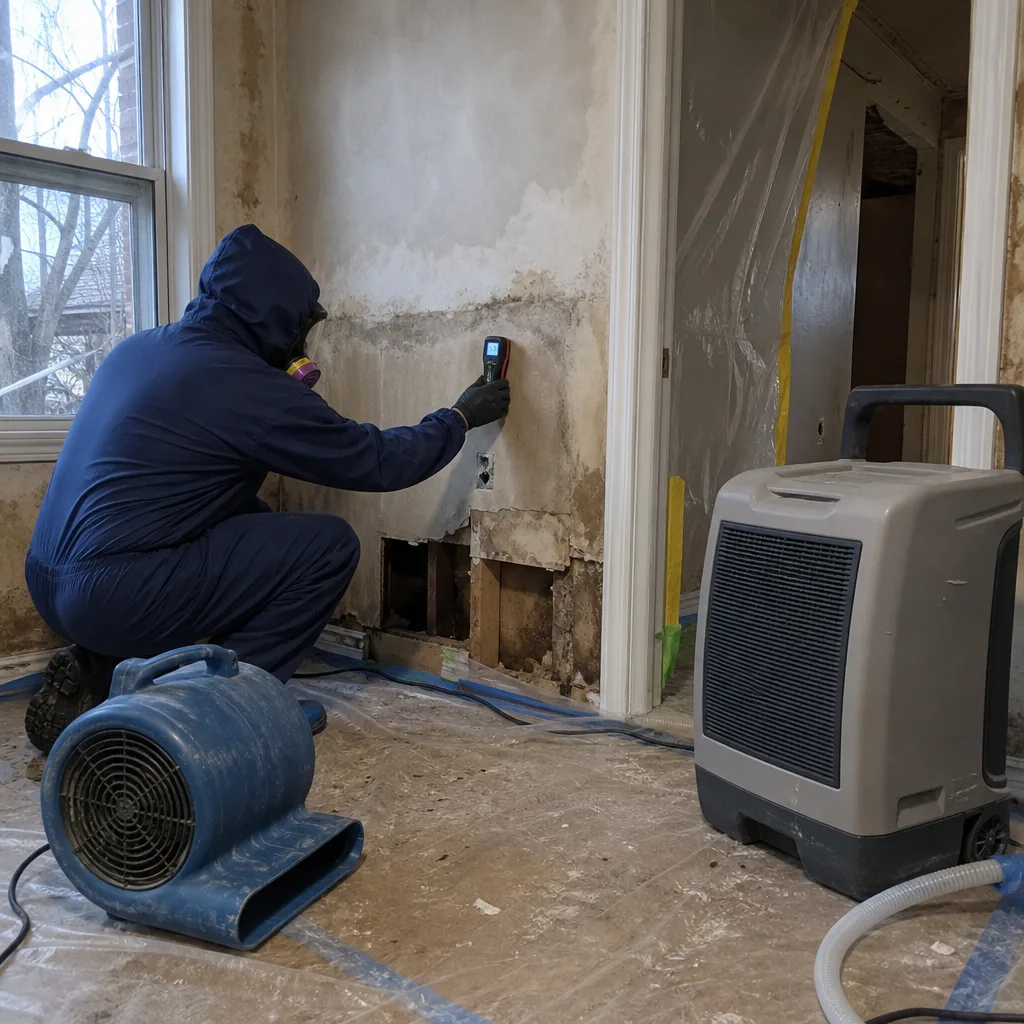 Before
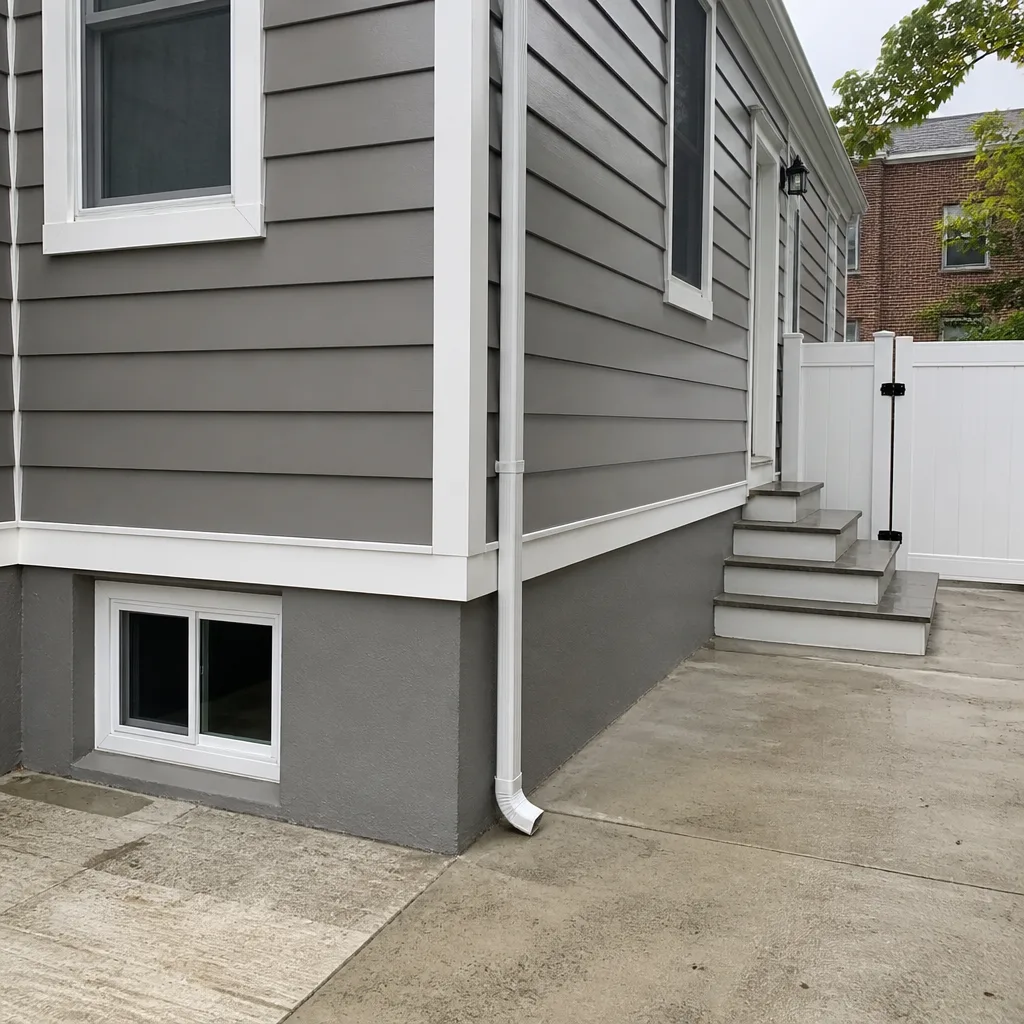 After
After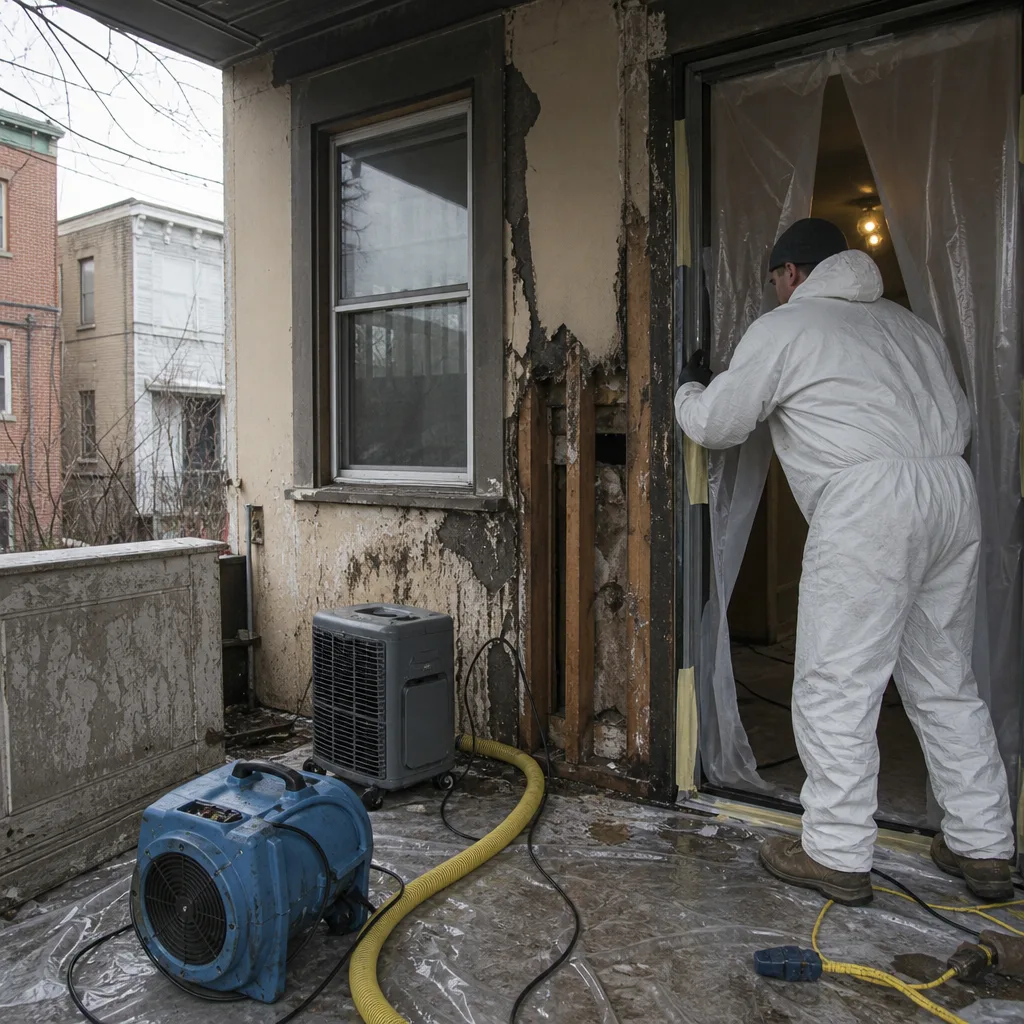 Before
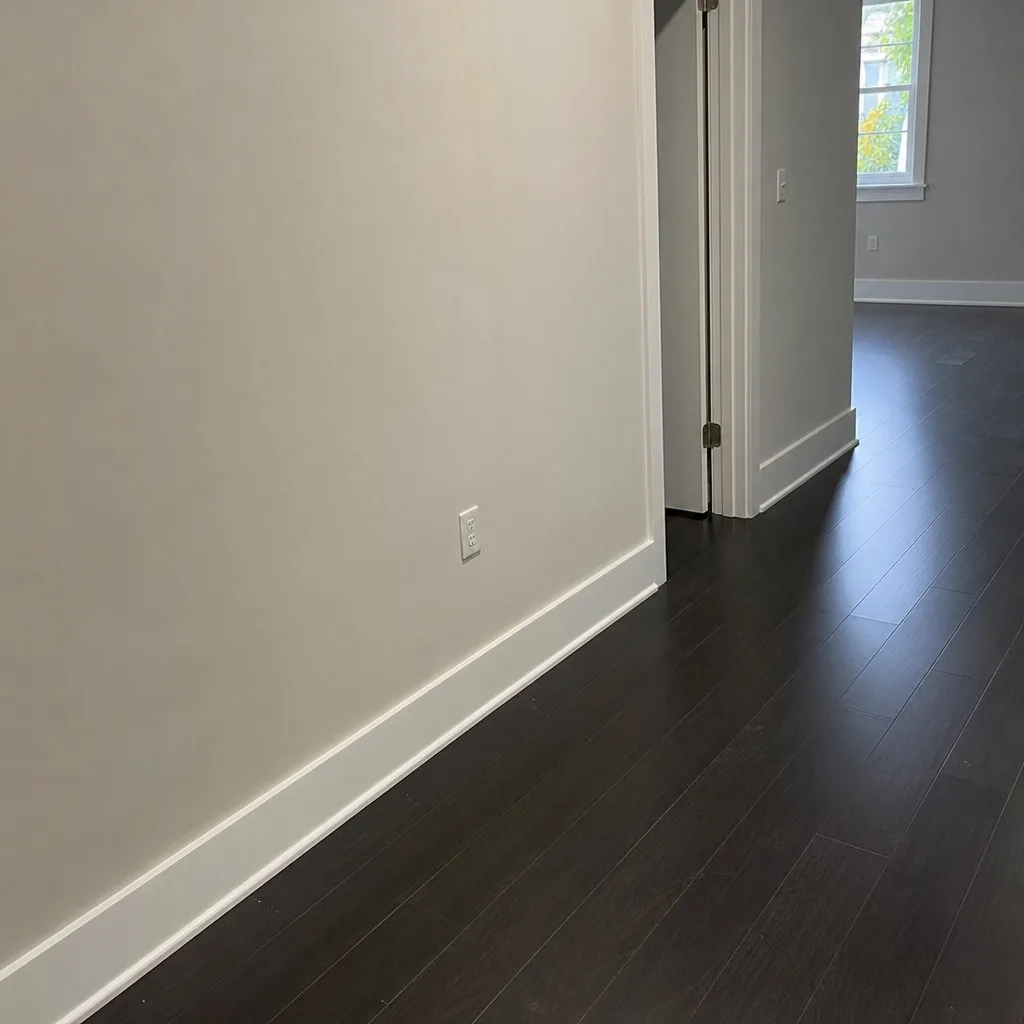 After
AfterCommon Mold Remediation Problems We See in NoHo Homes
- Shared sprinkler risers leaking through multiple floors. One defective riser on the fifth floor can wet four units below it before anyone sees a stain. We’ve traced these leaks from Great Jones Street to the basement, pulling drywall and drying timber at every stop.
- Hidden mold behind original plaster and wainscoting. NoHo’s walls are often original plaster over masonry, which means moisture hides until the musty odor bleeds through to the adjacent unit. By then, the mold has usually spread through the shared wall cavity.
- Warped wood floors from aggressive drying. Too much heat and airflow on original wood lifts the boards and ruins them. The landmark rules forbid replacement, so the only answer is slow, controlled drying with the right equipment.
- Contaminated neighboring units from unsealed remediation. Open floor plans and high ceilings move air fast. If containment isn’t sealed tight, mold spores from one loft end up in the loft next door. We treat every NoHo job like it’s in an occupied landmark building, because it is.
Pricing for Mold Remediation in NoHo, NY
A bathroom mold removal in NoHo typically runs $900 – $2,400 when the damage is contained to one wet wall or floor section. A full contained remediation with structural drying in a loft space lands between $1,800 and $6,500, depending on how many rooms are affected and how much original material has to be treated or removed. Jobs that involve a shared riser leak across multiple floors push toward the high end because the containment zones multiply.
What moves the price is square footage, the number of containment chambers, and whether original timber or plaster needs specialized drying. We give you the written price before any work starts, and that number is the number. Free estimates are no charge, no pressure. Call (607) 325-7185 and ask for Shane.
We Also Serve Cities Near NoHo
Keegan Restoration Brooklyn runs mold remediation crews across lower Manhattan and into the surrounding boroughs. In addition to NoHo, our technicians handle Mold Remediation work in Brooklyn, New York, Elmhurst, and Forest Hills. Same documentation, same written-scope standard, same one-year guarantee.
Serving NoHo, NY - Our Local Coverage Area
We’re based in the NoHo area and know this community well. Use the map below to see our service coverage - if you’re nearby, we can almost certainly help.
FAQs About Mold Remediation in NoHo
It differs because the walls themselves are historic fabric. In a standard high-rise, damaged drywall gets cut out and replaced without a second thought. In NoHo, we’re working behind original plaster, around cast-iron columns, and inside timber joists that the Landmarks Preservation Commission will not let you swap for new lumber. The remediation plan has to preserve as much original material as possible while still removing all affected surfaces, which means slower drying, more precise containment, and documentation that satisfies both your insurance carrier and the building’s landmark compliance.
Yes, if you dry them slowly and from below. Original wood floors in NoHo loft buildings are typically old-growth pine or oak, and they cup and warp when hit with too much heat or air movement too quickly. We use Injectidry systems that pull moisture out through the subfloor and monitor the drying with moisture meters at every step. The goal is to return the boards to their pre-loss moisture content without lifting them off the substrate, because replacement is usually off the table under landmark rules.
The right response is to treat it as one continuous loss, not five separate jobs. A riser leak in a cast-iron building on Bond Street or Great Jones Street will travel down through the pipe chase and wet every unit along the way. That means fast water extraction, sealed containment on every affected floor, and structural drying of the shared wall cavities before mold takes hold in the original timber. We coordinate with the building management and the affected owners so the scope of loss covers every unit from the start. Call (607) 325-7185 the moment you see water; the clock starts before the riser stops dripping.
Yes, in almost every case. NoHo lofts have high ceilings and open floor plans, and the walls share cavities with adjacent units. Unsealed remediation lets spores move through the building faster than you’d think. We set containment with negative air pressure before any material comes out, and we hold that barrier until the air inside the contained zone tests clean. The only exception is a tiny surface patch we confirm is isolated and dry, and even then we document why containment wasn’t necessary.
We clean them and dry them, then treat them with antimicrobials rated for structural wood. The Landmarks Preservation Commission will not permit replacement of original NoHo timber, so the only viable approach is to remove the surface mold, sand the affected layer, dry the beam to below the mold-growth threshold, and seal it. We document every step with photos and moisture readings so the building’s architect and your insurance adjuster both have a record that the beam is structurally sound and mold-free.
One Thing You Should Know About NoHo Mold
NoHo’s converted cast-iron lofts often have shared standpipes and sprinkler risers running through residential units, so a single fifth-floor leak can become a five-floor water loss with mold growth hidden inside original timber framing. You won’t find this condition in Greenwich Village or SoHo’s newer conversions. The buildings on Bond Street, Great Jones, and Lafayette were built for commerce and converted for living, and the fire-suppression systems retrofitted into them run vertically through the center of every floor plate. A slow leak at a riser clamp behind original plaster can feed mold for months without a visible stain, until the musty odor moves through the shared wall cavities into the adjacent loft.
Last spring, our crew responded to a bathroom mold complaint in a loft on Great Jones Street near Broadway. Moisture mapping revealed water extraction was needed from a failed sprinkler riser behind original plaster. We set containment and air movers, performed structural drying on the exposed timber joists, and applied antimicrobial treatment after removing category 2 water-damaged drywall. The cast-iron column details stayed untouched, the timber went back to its pre-loss moisture reading, and the space returned to pre-loss condition.
That’s the job in NoHo. It’s not the same as a sheetrock-and-paint situation in a new tower. It takes patience, the right equipment, and a crew that knows what the landmark rules require. That’s what we do, and we put it in writing before we start.
Written by Shane Pruitt, Owner at Keegan Restoration Brooklyn, serving NoHo and the surrounding boroughs as part of the Garrison Partners family since 2005.
If you have mold, water, or fire damage in NoHo, don’t wait for the smell to spread. Call (607) 325-7185 for a free estimate. A live person answers, day or night. We’ll give you a written scope of loss, document everything for your insurance claim, and back the work with the 365-Day Done Right Promise.