
 Sewage cleanup
 Water damage drying
 Fire & smoke cleanup
 Mold remediation
 Storm response
 Reconstruction
Free visual inspection and a written scope of work before any mitigation begins - photos, moisture readings, and drying logs go in your claim file
The scope we write is the scope we bill. Anything new gets shown to you, in writing, before we touch it.
Get your free estimateRestoration work we handle
See the difference
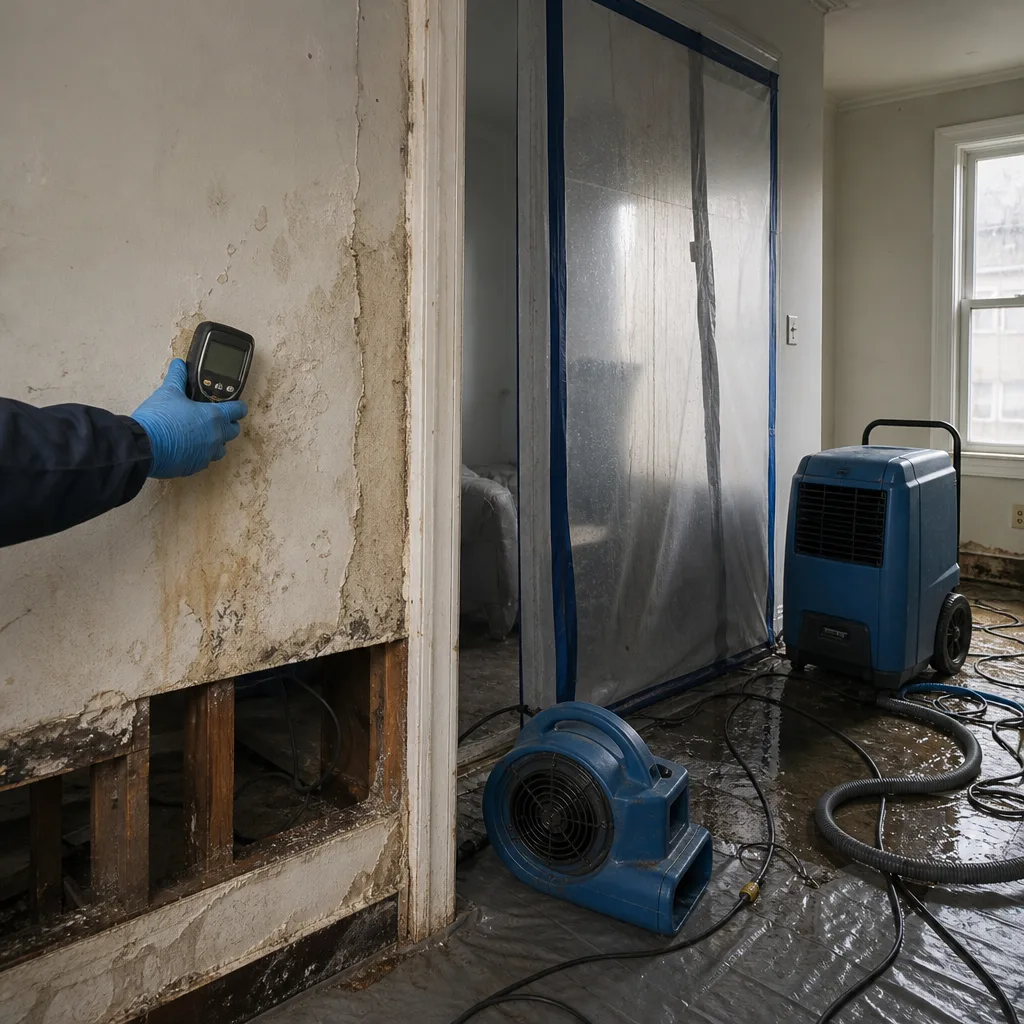 Before
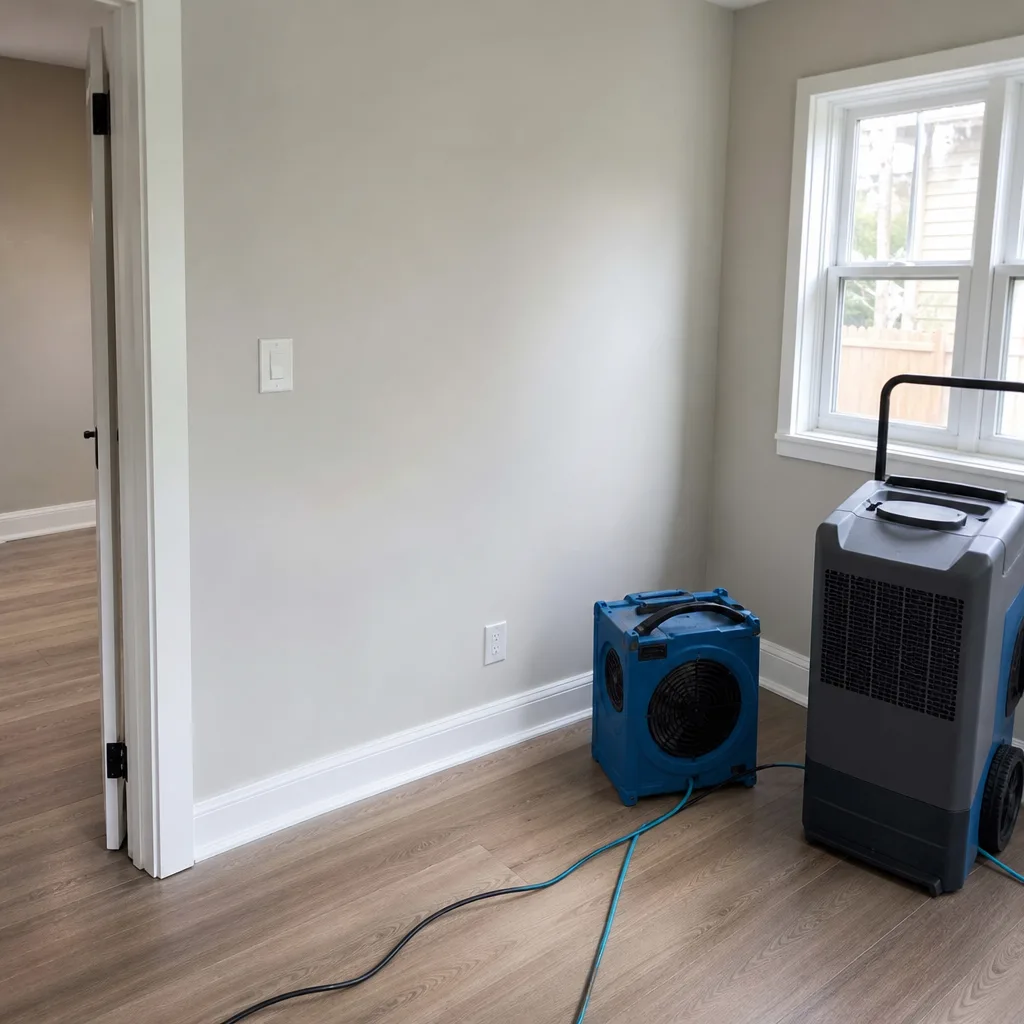 After
After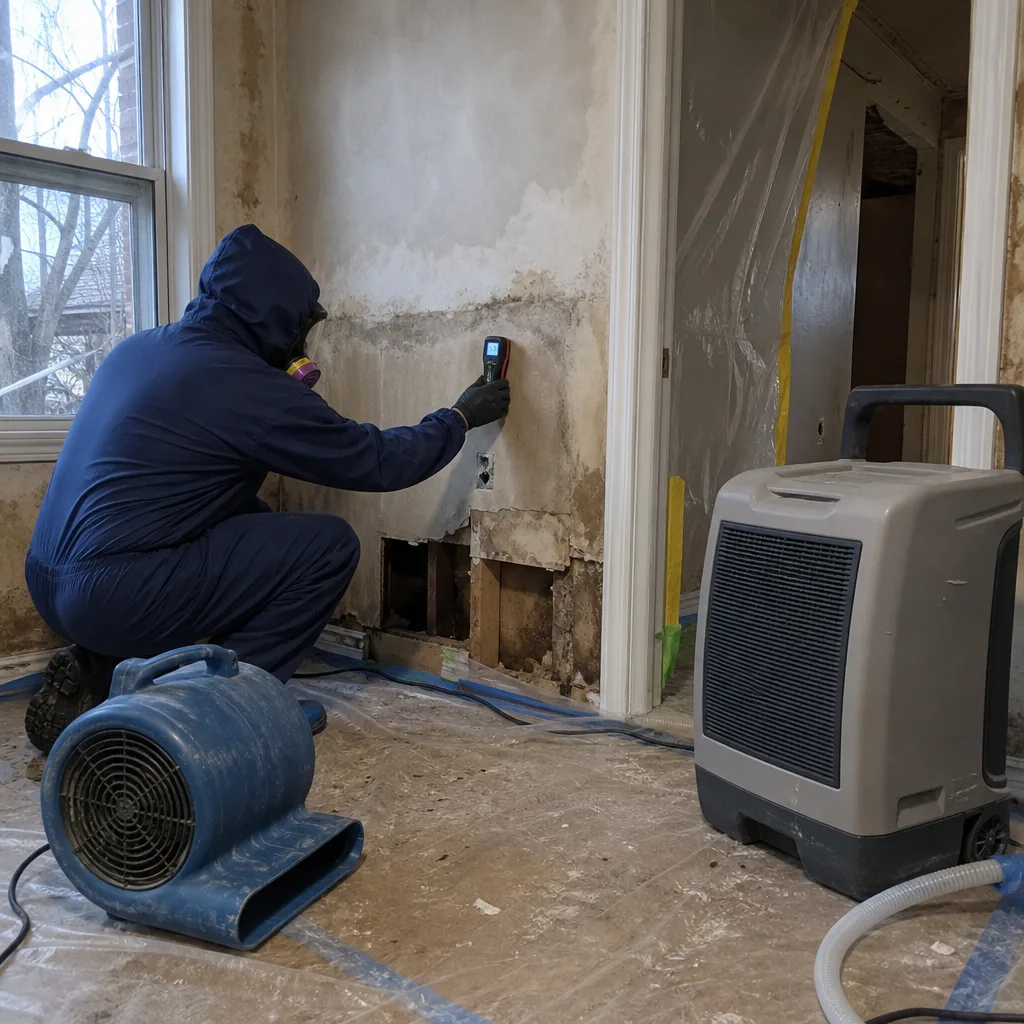 Before
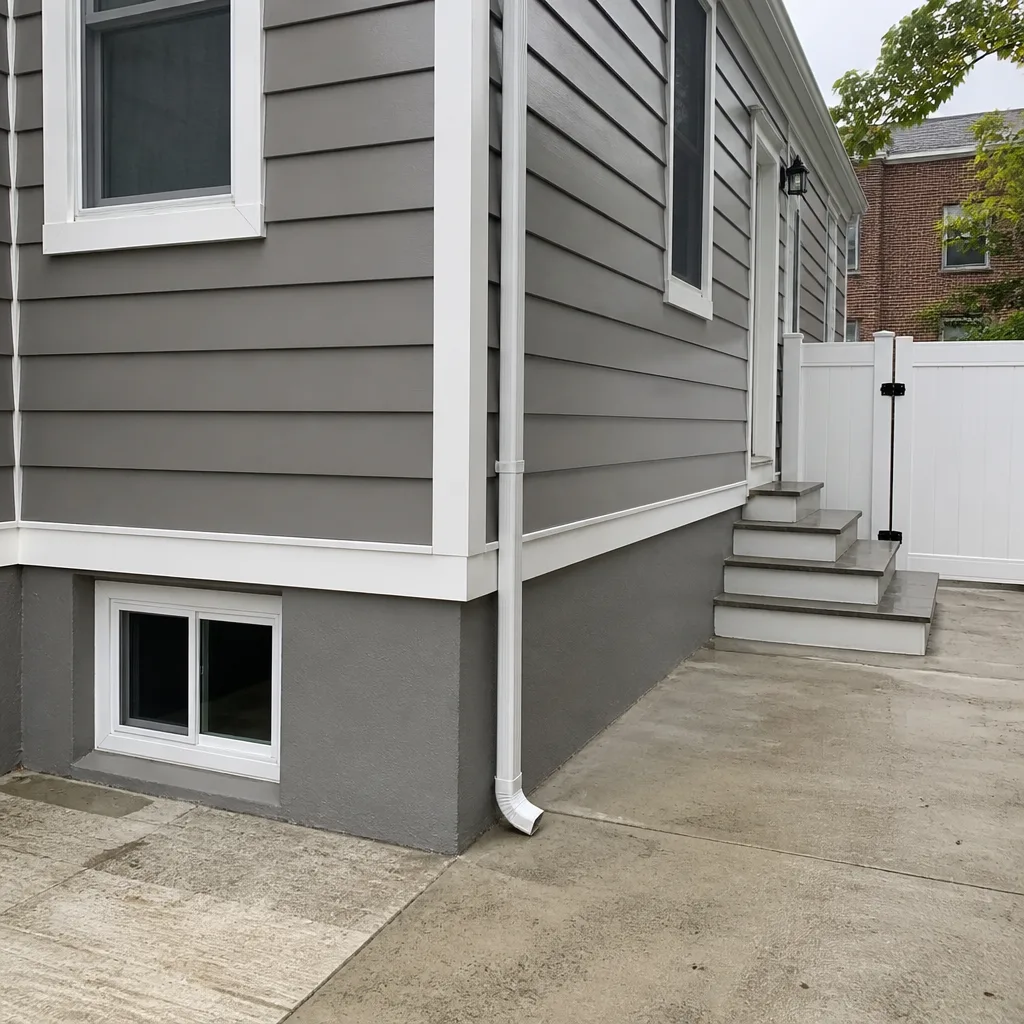 After
After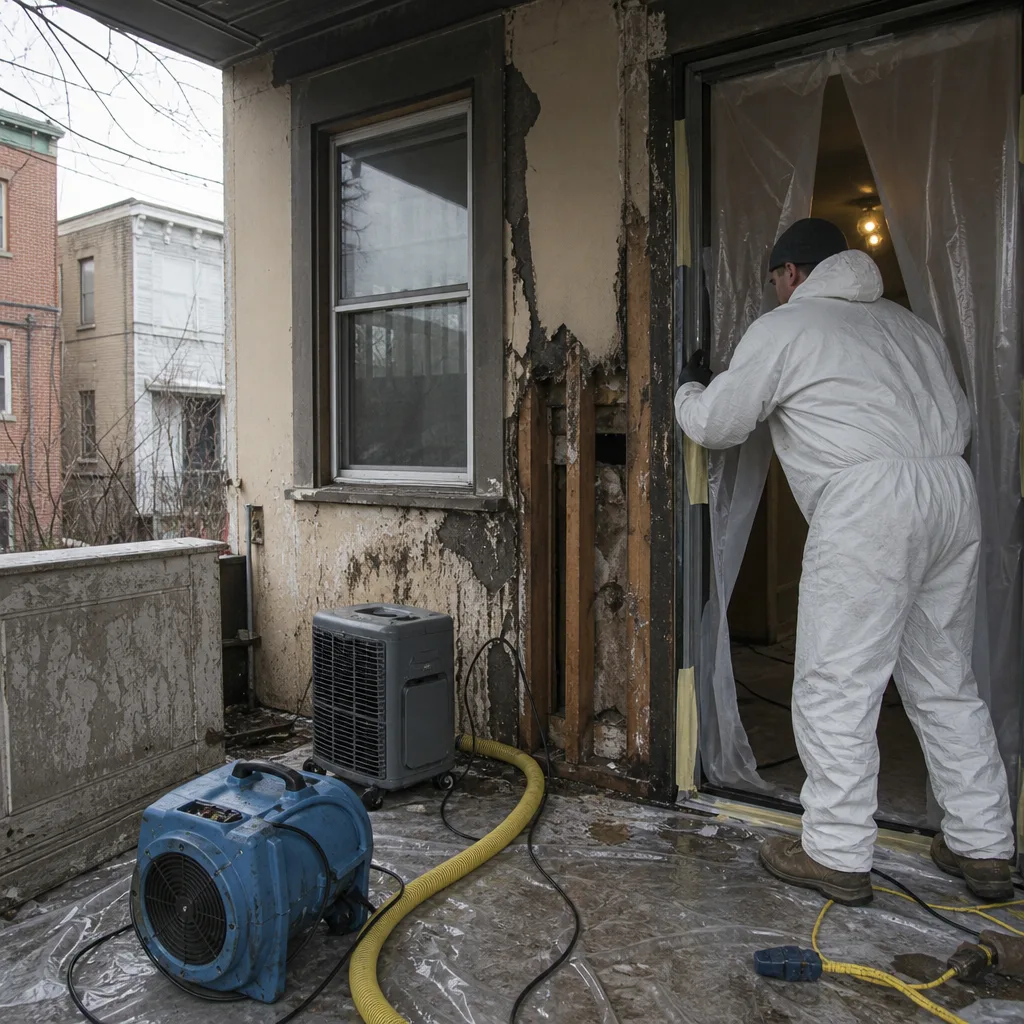 Before
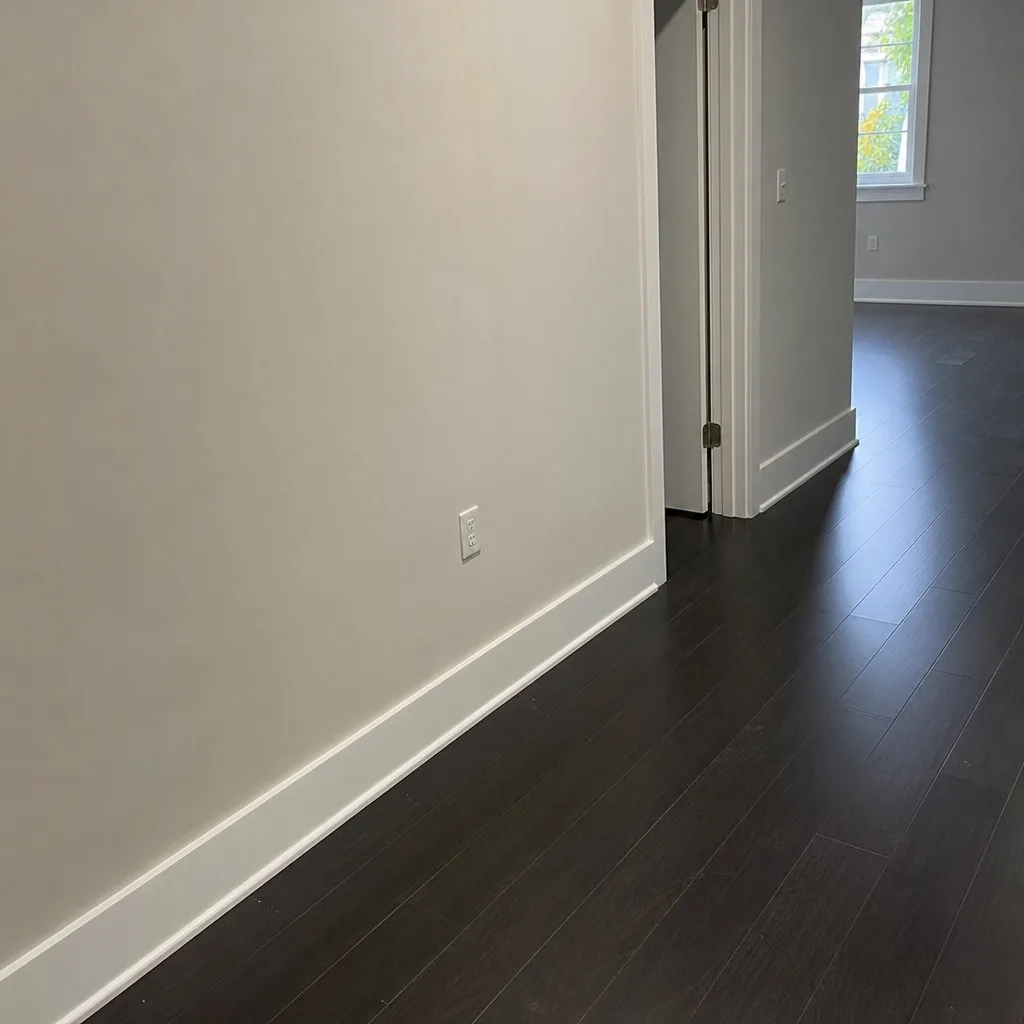 After
AfterHow Much Does Sewage Cleanup Cost in Brooklyn?
Sewage cleanup in Brooklyn typically costs between $2,500 and $7,500 for a Category 3 water loss affecting a bathroom or basement, with most homeowners paying around $4,200. Smaller contained spills start near $1,800, while full basement remediations involving drywall removal, subfloor replacement, and structural drying run $12,000 to $25,000 or more. These figures reflect the Brooklyn market in 2026, where labor rates, building access, and older housing stock push costs higher than the national average.
Before you read further, understand this: sewage water is classified as Category 3, meaning it carries bacteria, viruses, and parasites. This is not a mop-and-bucket situation. The cost you’re paying covers not just removing the water, but disinfecting every surface it touched, removing contaminated materials, drying the structure properly, and documenting the scope so your insurance claim holds up.
Sewage Cleanup Cost Breakdown (2026)
Here’s what a typical Brooklyn sewage cleanup actually costs, line by line. These are real working numbers based on jobs we’ve scoped in neighborhoods like Park Slope, Bay Ridge, Bensonhurst, Flatbush, and Williamsburg in 2026.
| Service Component | Brooklyn Price Range | What You’re Paying For |
|---|---|---|
| Emergency extraction & containment | $600 – $1,500 | Removing standing sewage water, setting containment barriers, initial antimicrobial application |
| Contaminated material removal | $800 – $3,500 | Cutting and disposing of affected drywall, baseboards, carpet, pad, and insulation |
| Structural drying & dehumidification | $900 – $2,800 | Professional air movers and dehumidifiers running 3 to 7 days, monitored daily |
| Disinfection & sanitization | $500 – $1,800 | Hospital-grade antimicrobial treatments, HEPA vacuuming, odor neutralization |
| Repairs & reconstruction | $1,200 – $15,000+ | Replacing drywall, flooring, subfloor, vanity, or framing depending on damage depth |
| Permits & disposal fees | $150 – $600 | Brooklyn waste transfer fees and any DOB permit requirements for structural work |
The numbers move based on one thing more than anything else: how long the sewage sat before you called. A toilet overflow caught in 20 minutes might mean a $1,800 extraction and disinfection job. A sewage backup that flooded a finished basement overnight while you slept means saturated drywall, swollen baseboards, and water wicked up into wall cavities. That’s where the $12,000+ numbers come from.
What Affects Sewage Cleanup Pricing in Brooklyn
Brooklyn isn’t one market. A fourth-floor walk-up in Crown Heights has different access costs than a garden-level unit in Dyker Heights with a rear door and a yard. Here’s what actually moves your quote:
- How deep the damage goes. Sewage wicked into drywall means cutting 12 to 24 inches above the water line and replacing it. If it reached wall studs or underlayment, you are now paying for structural drying and possibly reframing. That’s the difference between a $2,500 job and a $9,000 job.
- Building access in your neighborhood. Brownstones and walk-ups without service elevators mean technicians carry extraction equipment up narrow stairwells. It takes longer, which costs more. A garden apartment with a direct exterior door is the cheapest scenario in Brooklyn.
- Age of the plumbing and building materials. Pre-war buildings in Bed-Stuy and Bushwick often have original cast iron waste lines. A backup in these systems frequently means the line itself has failed, not just a clog. If a plumber has to scope the line or dig up a section, that cost stacks onto cleanup.
- Flooring and finish type. Hardwood soaked in sewage almost always comes out. Tile on a concrete slab can sometimes be salvaged after disinfection. Carpet and pad are always removed. The more finished your basement, the bigger the number.
- Whether contaminated water reached porous surfaces you can’t see. Sewage that gets behind baseboards and into wall cavities requires containment, negative air pressure, and extended drying. This is where psychrometrics comes in, measuring temperature, humidity, and dew point to establish that the space is actually dry, not just looks dry.
- Insurance involvement. If you’re filing a claim, our team documents every step: photos, moisture readings, daily drying logs, equipment records, and a detailed scope of loss. That documentation does not cost you extra, but it ensures the expense is covered and verifiable. Half-finished work without documentation is how claims get denied.
One more factor specific to Brooklyn: the Department of Buildings. If structural framing or load-bearing elements were compromised, the work may require a permit and inspection. That’s not a delay tactic, it’s the law, and a contractor who skips it is handing you a problem when you sell the property.
Sewage Cleanup Cost by Scenario
Here are realistic Brooklyn prices for common situations, so you can see where your home likely falls. These are working ranges, not lowball bait numbers designed to get a technician in the door and then renegotiate.
Small toilet overflow, tile floor, caught immediately
$1,800 – $2,800. Extraction, disinfection, air scrubber for 24 to 48 hours. If you caught it fast and the floor is non-porous, this can be a same-day or next-day job. Most homes pay around $2,200.
Basement sewage backup, unfinished concrete floor, up to 2 inches of water
$2,500 – $5,000. This includes pumping, removal of any saturated items, full antimicrobial treatment, and drying equipment for 3 to 5 days. Concrete is salvageable, but the walls need treating if water touched drywall or paneling.
Finished basement backup with drywall, carpet, and baseboard damage
$6,000 – $14,000. You are now removing flooring, cutting drywall, treating wall cavities, drying the structure, and rebuilding. This is the most common scenario we see in Bensonhurst and Sheepshead Bay finished basements, and the average lands around $8,500.
Main line backup flooding multiple rooms on the ground floor
$10,000 – $25,000+. Hardwood floors, kitchen cabinetry, and interior walls affected. This is a full remediation plus reconstruction job. If your plumbing also needs a line repair, that runs separately and can add $4,000 to $12,000 depending on depth and location under the slab.
How to Save on Sewage Cleanup
A few honest ways to keep the number down without cutting corners that will cost you more later:
- Act now, not later. Sewage damage compounds by the hour. Water wicks upward through drywall at roughly one inch per hour in the first 24. The faster extraction starts, the less material gets removed. An immediate call usually saves $1,000 to $4,000 versus waiting until morning.
- Know your policy before you need it. Most Brooklyn homeowners policies cover sewage backup only if you carry a specific rider. Check your declarations page today. If you have it, the cleanup is largely a deductible question. If you don’t, you’re paying out of pocket, and that changes what makes sense to repair versus replace.
- Do not try to handle Category 3 water yourself. A shop vac and a box fan will not dry sewage-saturated drywall. You will leave bacteria in wall cavities and under flooring, and you will pay more when mold or odor forces a full remediation later. The false economy on sewage cleanup is real, and we have seen it repeatedly in Brooklyn basements.
- Get the scope in writing before work starts. The Garrison Standard exists because of a simple rule: the price is put in writing before any work begins. No door-knock renegotiation, no surprise line items. When you compare bids, compare the written scope, not just the bottom line. A lower number with fewer line items is not a better price, it’s a smaller job.
Keegan Restoration Brooklyn provides free, no-pressure estimates. Call (607) 325-7185 and a live person answers. Shane Pruitt and our Brooklyn team run every sewage cleanup to The Garrison Standard: written price before work starts, background-checked uniformed technicians, IICRC-compliant equipment from Dri-Eaz, Phoenix, XPOWER, B-Air, and Injectidry, and a 365-Day Done Right Promise in writing on every job. If it fails within a year, we return and make it right at no charge.
Why Sewage Cleanup Costs More Than Regular Water Damage
Many Brooklyn homeowners see the quote and compare it to a clean-water pipe burst they had years ago. The two are not the same job. Clean water from a supply line is Category 1. A sewage backup is Category 3, the most hazardous classification in water damage restoration.
What that means in practice: every porous material the water touched is removed and disposed of, not dried and saved. Every hard surface gets antimicrobial treatment. Technicians wear full PPE, including respirators and protective suits. Containment barriers and negative air pressure prevent cross-contamination of unaffected rooms. Disposal requires specific handling and Brooklyn waste transfer fees. The labor is slower, the materials cost more, and the protocols are stricter. That’s the IICRC standard, and it is not optional if you want the space safe for your family.
There is also the insurance documentation piece. A proper sewage cleanup generates a scope of loss document: moisture readings, equipment logs, photos before and after, disposal records, and a drying certificate. That paperwork is what turns your claim from a negotiation into a settlement. The RIA and IFA standards our team works to exist precisely so that insurance carriers can verify the work was done correctly. Skimp on documentation and you risk a denied claim or reduced payout.
Brooklyn-Specific Considerations for Sewage Cleanup
Brooklyn’s housing stock creates challenges you won’t find in newer construction. Combined sewer systems in older neighborhoods like Williamsburg and Greenpoint are more prone to backup during heavy rain events when stormwater and sanitary waste share the same line. If your basement flooded during a storm and the water smelled like sewage, it likely was sewage, and you need Category 3 treatment, not a mop.
Brownstone foundations also matter. Fieldstone and brick foundations in Park Slope, Fort Greene, and Bed-Stuy are porous, and they breathe. When sewage sits against them, the contamination can penetrate deeper than with modern poured concrete. That means longer drying times, more aggressive treatment, and higher material removal costs.
Finally, there’s the practical issue of access and parking. Bringing industrial extraction equipment into a narrow Brooklyn street with alternate-side parking rules is a logistical exercise. Our crews plan around it, but it adds labor time, and labor time is a real cost driver on any water damage job in the borough.
Should You Clean Sewage Yourself?
No. Not in any amount. Even a small Category 3 spill carries pathogens including E. coli, Salmonella, hepatitis A, and parasites. A common homeowner mistake is treating it like a spilled glass of water, wiping it up, and using bleach. Bleach does not properly disinfect porous surfaces, and you will leave contamination in grout lines, subfloor seams, and wall cavities. Within 48 to 72 hours, you have a secondary problem: mold growth inside the structure, which is now a separate remediation project.
There’s also the physical danger. Sewage gas can contain hydrogen sulfide. Confined basement spaces without ventilation can become unsafe. This is a job for trained professionals with proper PPE, containment equipment, and the documentation to prove the work was done correctly.
If you want an honest assessment of whether your situation requires professional cleanup, call us. We will walk you through what we’d look for over the phone, and if you want us to come out, the estimate is free and the price is in writing before anything starts.
The Keegan Restoration Brooklyn Approach
Keegan Water Damage Restoration has been part of the Garrison Partners family since 2005. We run every sewage cleanup in Brooklyn to The Garrison Standard, which means four things happen on every job, no exceptions:
- The written price comes first. Before any equipment comes off the truck, you have a line-item scope and a price in writing. It does not move at the door, it does not grow mid-job, and there are no surprise add-ons. That’s the rule.
- Background-checked, uniformed technicians arrive inside the window we gave you. You know who’s coming, what they’re doing, and when they’ll be there. No subcontractor roulette.
- The work is done by the book. IICRC standards, RIA and IFA protocols, professional-grade equipment from Dri-Eaz, Phoenix, XPOWER, B-Air, and Injectidry. Every step documented to support your insurance claim.
- The 365-Day Done Right Promise backs it all. If the repair fails within one year, we return and make it right at no charge. Free second visit included. That’s a written guarantee, not a verbal promise.
Shane Pruitt leads our Brooklyn location. The team he runs treats every sewage cleanup as a documentation exercise as much as a physical restoration: the scope of loss, the moisture readings, the equipment logs, the drying curve, and the final clearance are all recorded and formatted for your insurance carrier. When the adjuster asks questions, you’ll have answers in writing.
For more on how we handle these jobs, read our Sewage Cleanup in Brooklyn page. If you’re dealing with an active backup right now, or you want to understand your coverage before anything happens, start at our home page and call us at (607) 325-7185.
FAQs – Sewage Cleanup Cost in Brooklyn
Here are the questions Brooklyn homeowners ask us most, with straight answers and real numbers.
How much does sewage cleanup cost in Brooklyn?
Most Brooklyn sewage cleanup jobs cost between $2,500 and $7,500, with an average around $4,200. Small contained spills start near $1,800, and full finished-basement remediations with reconstruction reach $12,000 to $25,000. The spread comes down to how long the water sat, what materials it touched, and how much of your finished space was affected. Call (607) 325-7185 for an exact quote – estimates are free and the price is written before any work starts.
Is sewage cleanup covered by homeowners insurance in Brooklyn?
Coverage depends on your policy. Standard homeowners insurance does not automatically cover sewage backup – you typically need a sewer and drain backup rider, which costs roughly $40 to $100 per year on most Brooklyn policies. If you have the rider, cleanup is usually covered up to your policy limit, often $10,000 or $25,000 depending on what you selected. If you don’t have it, you’re paying out of pocket. Check your declarations page today, not after the backup. Call (607) 325-7185 and we can help you document the loss correctly from the first visit.
How long does sewage cleanup take in Brooklyn?
A standard contained sewage cleanup takes 3 to 5 days for extraction, material removal, and structural drying. Larger jobs involving reconstruction run 2 to 4 weeks depending on the scope of repair work. Drying equipment typically runs 3 to 7 days, monitored daily, until psychrometric readings confirm the structure is dry. We respond same-day for active sewage backups in Brooklyn so the clock doesn’t run against you.
Is it cheaper to clean sewage myself?
No. A shop vac and bleach will not properly disinfect porous materials contaminated by Category 3 water, and the result is usually mold growth inside walls and under flooring within 72 hours. A failed DIY sewage cleanup that becomes a mold remediation typically costs $5,000 to $15,000 more than the original professional cleanup would have cost. You will also have no documentation for insurance, which means denied claims and out-of-pocket costs. Call (607) 325-7185 – a live person answers 24/7, and the estimate is free.
Can you come today for a sewage backup in Brooklyn?
Yes. We run emergency sewage cleanup response across Brooklyn seven days a week, including nights, weekends, and holidays. A live person answers the phone 24 hours a day, and our crews are dispatched from within the borough, not from New Jersey or Long Island. If you have active sewage water in your home, call (607) 325-7185 right now and we will give you a straight answer on response time and next steps.
What does the 365-Day Done Right Promise cover?
The 365-Day Done Right Promise is a written guarantee on every sewage cleanup and repair we do in Brooklyn. If any repair fails within one year, we return and make it right at no charge, including a free second visit. It covers workmanship and materials on every job we complete to The Garrison Standard. It does not cover new damage from a separate event. The guarantee is in writing, not verbal, and it is part of every job we do. For specifics on your situation, call (607) 325-7185.
Pricing reflects the Brooklyn market as of 2026. Keegan Restoration Brooklyn offers free estimates – call (607) 325-7185.
Written by Shane Pruitt, Owner at Keegan Restoration Brooklyn, serving Brooklyn since 2005.
What Our Customers Say
"Overall great. One technician no-showed on day two but the lead covered it and they finished on schedule."
- Wes K."Documented everything with photos for my insurance. No arguments from the adjuster."
- Carmen R."Water heater burst in the garage and flooded the hall. Crew was there fast, in uniform, set up dehumidifiers and air movers, and ran drying logs every day. Veteran-owned and organized."
- Gail S.