
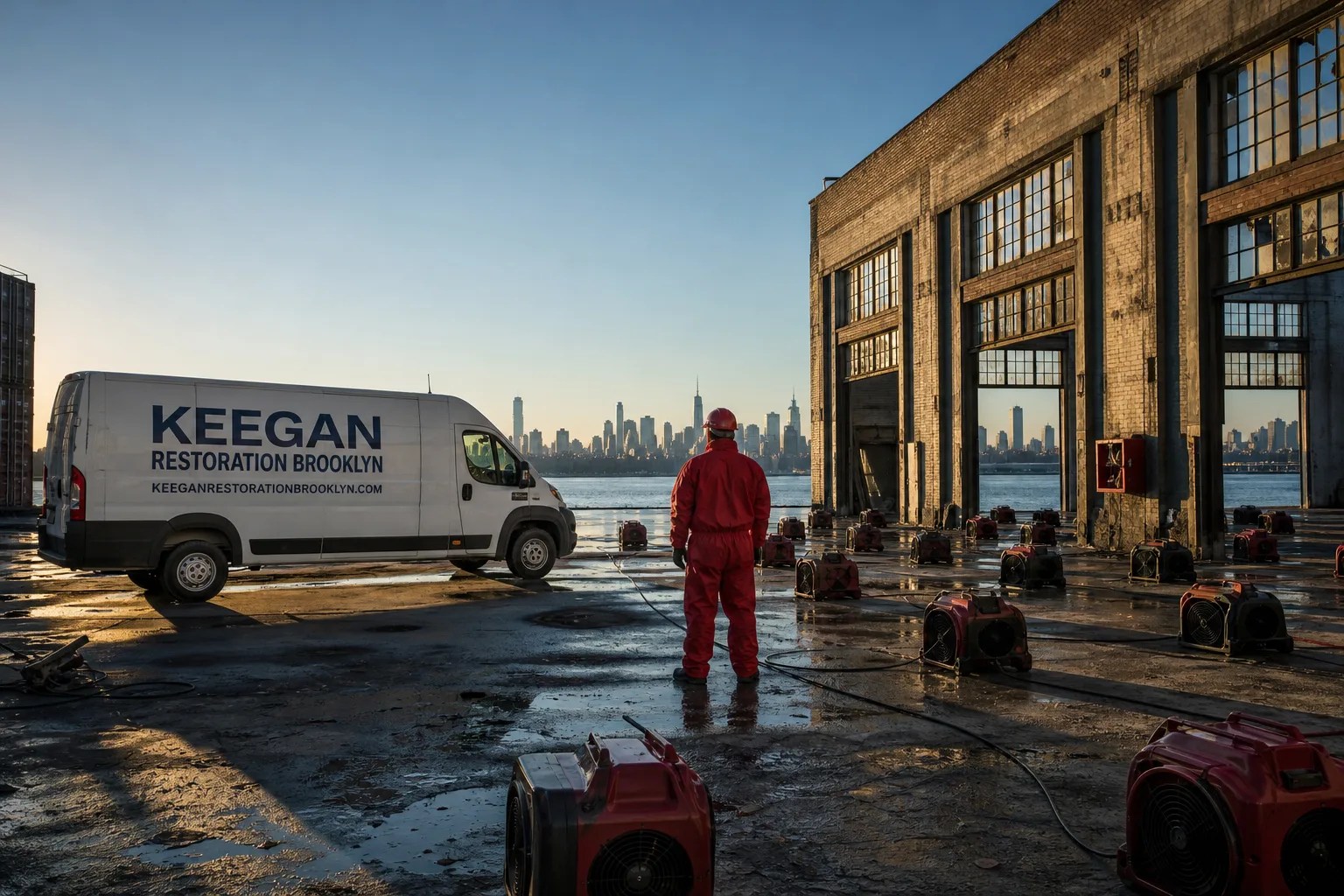
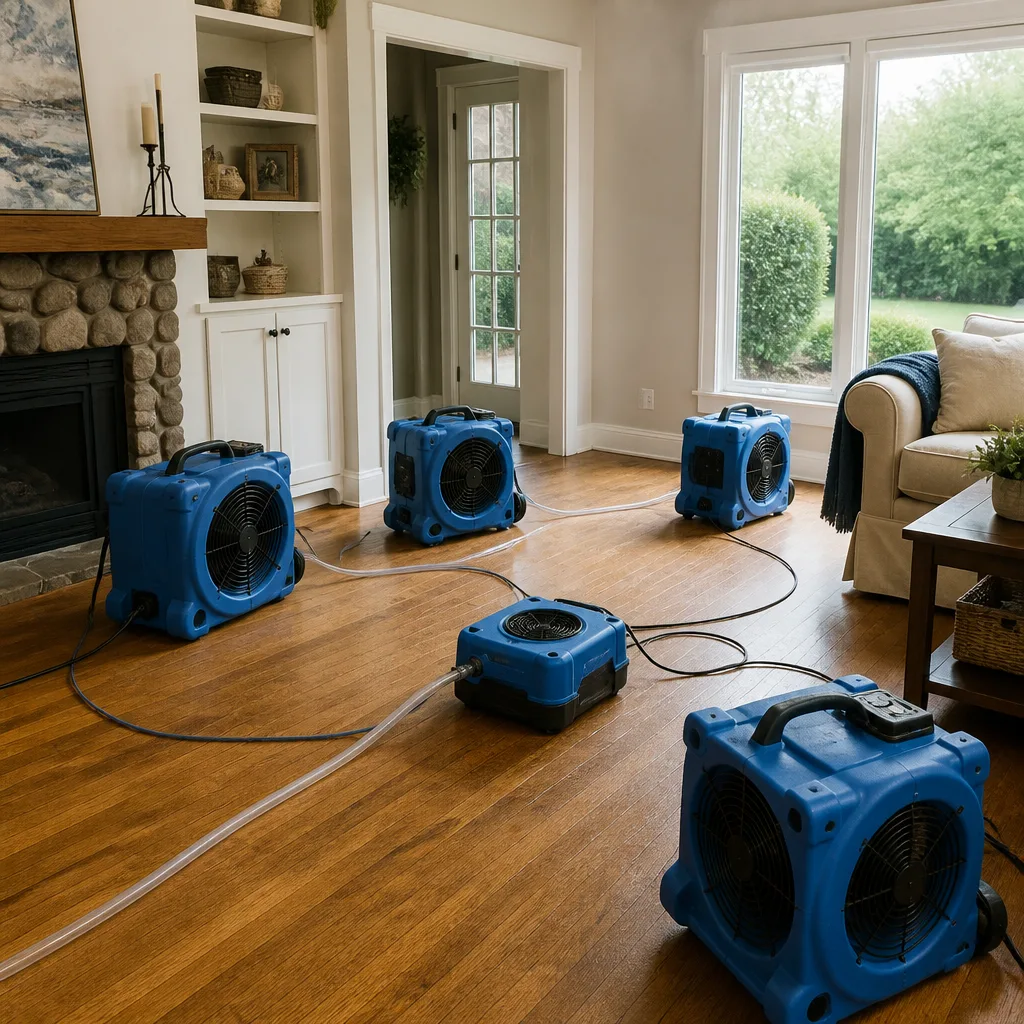
 Water damage drying
 Fire & smoke cleanup
 Mold remediation
 Storm response
 Sewage cleanup
 Reconstruction
Free visual inspection and a written scope of work before any mitigation begins - photos, moisture readings, and drying logs go in your claim file
The scope we write is the scope we bill. Anything new gets shown to you, in writing, before we touch it.
Get your free estimateFast, Reliable Water Damage Restoration Across Brooklyn
Water damage restoration in Brooklyn typically costs $1,800 – $6,500 depending on the scope, with emergency extraction starting around $450 – $900 for a single room. Most jobs in Brooklyn’s brownstones and prewar buildings take 3 – 7 days to dry completely when we start within hours of the leak. If you’re standing in water right now, call (607) 325-7185 and a live person answers, day or night.
We know Brooklyn’s buildings because we work in them every week: Park Slope brownstones, Bed-Stuy limestone row houses, Williamsburg loft conversions, and six-story tenements in Flatbush. Each one has different drainage, different masonry, different ways water moves. That local knowledge is the difference between drying a structure properly and leaving moisture behind a shared wall. Our Water Damage Restoration team arrives with the right equipment and a written price before any work starts.
Why Keegan Restoration Brooklyn Is Brooklyn’s Preferred Water Damage Restoration Company
Keegan Restoration Brooklyn is Water Damage Restoration in Brooklyn done by the book. We’re part of the Garrison Partners family, independent and locally dispatched, and we’ve run every water job since 2005 to a single standard: written price first, background-checked uniformed techs, professional-grade drying equipment, and a full-year written guarantee on every repair. That guarantee is the 365-Day Done Right Promise. If the work fails within a year, we return and make it right at no charge.
Brooklyn homeowners have been burned by contractors who show up late, move the price at the door, or send whoever’s available. We don’t do any of that. The price you get in writing is the price you pay. The techs who arrive are Keegan techs, background-checked and uniformed. And every job is documented with photo records and moisture readings formatted to support your insurance claim.
Led by Shane Pruitt, our Brooklyn crew knows what co-op boards require, what landmark committees will flag, and what a century-old clay sewer line can do when you pull too much negative pressure during extraction. That’s not marketing language. It’s what keeps a straightforward mitigation from becoming a tear-out.
Restoration work we handle
Water Mitigation in Brooklyn
Water mitigation in Brooklyn is the emergency phase of restoration: stopping the source, extracting standing water, and beginning structural drying before mold and rot take hold. In a Park Slope brownstone or a Bed-Stuy row house, mitigation has to move fast because original wood joists and lath-and-plaster walls absorb water quickly and dry slowly. Typical water mitigation in Brooklyn runs $1,200 – $4,800 depending on square footage, category of water, and how many rooms are affected. The first hour matters more than the next forty-eight.
Extraction and Containment
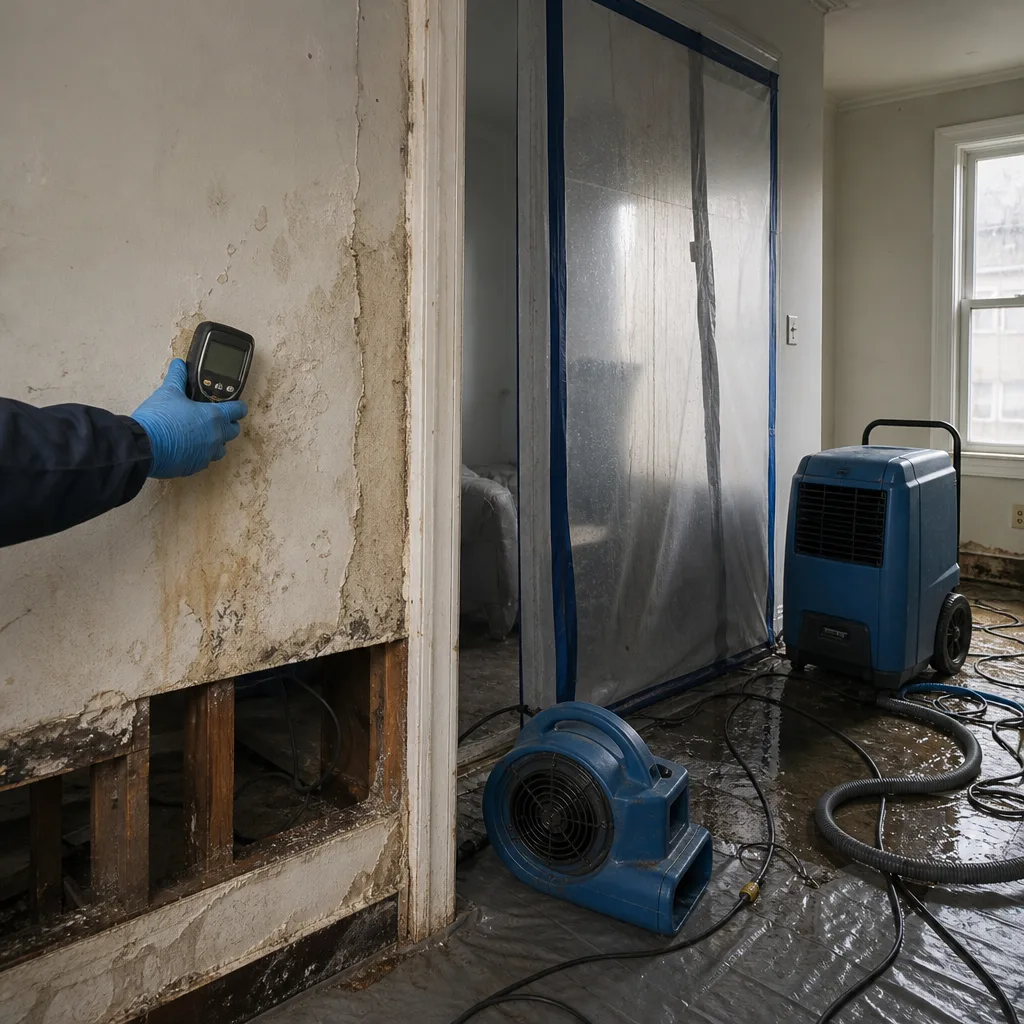
We extract standing water with truck-mounted and portable units, then set containment to isolate wet areas from dry ones. In multi-family attached buildings, that containment also protects your neighbors’ units and gives us a controlled drying envelope. We document moisture levels in writing before, during, and after.
Psychrometrics and Drying Plans
Psychrometrics is the science of how moisture moves through air and materials. We measure temperature, humidity, and dew point in every affected room, then build a drying plan specific to that space. In Brooklyn’s older buildings, that often means targeting wall cavities behind original plaster rather than just running fans in open rooms. A drying plan without psychrometric data is just moving air around. Ours is measured and logged.
Flooded Basement in Brooklyn
A flooded basement in Brooklyn is a different job from a flooded basement in Queens or Staten Island, mostly because of what’s under the floor: century-old clay sewer lines, shallow groundwater in low-lying neighborhoods like Gowanus and Red Hook, and shared foundation walls with the building next door. Flooded basement cleanup in Brooklyn typically runs $1,500 – $6,000, with the higher end reflecting sewage contact, oil tank complications, or structural drying in tight prewar cellars. If the water is still coming in, shut off electricity to the basement and call us before you touch anything.
Basement Water Removal and Sewer Line Protection
We extract basement water carefully because aggressive pumping can create negative pressure that collapses an old clay sewer line. The fix for that collapse is a full dig and replacement, a five-figure job nobody wants. Our techs check for floor drains, sump pits, and any sign of sewer backup before we hit the water hard.
Dehumidification in Tight Prewar Cellars
Brooklyn basements are often low-ceilinged, poorly ventilated, and locked between foundation walls and the first floor joists. We run Dri-Eaz and Phoenix desiccant dehumidifiers in those tight spaces, not the small residential units you can rent at a hardware store. Desiccant units pull moisture out of air even when it’s cold, which matters in unheated Brooklyn cellars during winter. Drying a flooded prewar basement to a verifiable standard usually takes 3 – 5 days, monitored daily.
Trusted Brands We Service in Brooklyn
Brooklyn homeowners run equipment from every era: modern tankless water heaters in converted lofts, cast-iron radiators in brownstones, and washing machines jammed into prewar kitchens. We service damage from all of it, and we stock the professional drying equipment to handle the aftermath. Our gear includes Dri-Eaz and Phoenix dehumidifiers, B-Air air movers, and Injectidry systems for drying wall cavities without tearing out plaster. We follow IICRC and RIA standards on every job and document everything to support your insurance claim. When you call, a live person answers and schedules dispatch to your Brooklyn block, not a call center.
See the difference
 Before
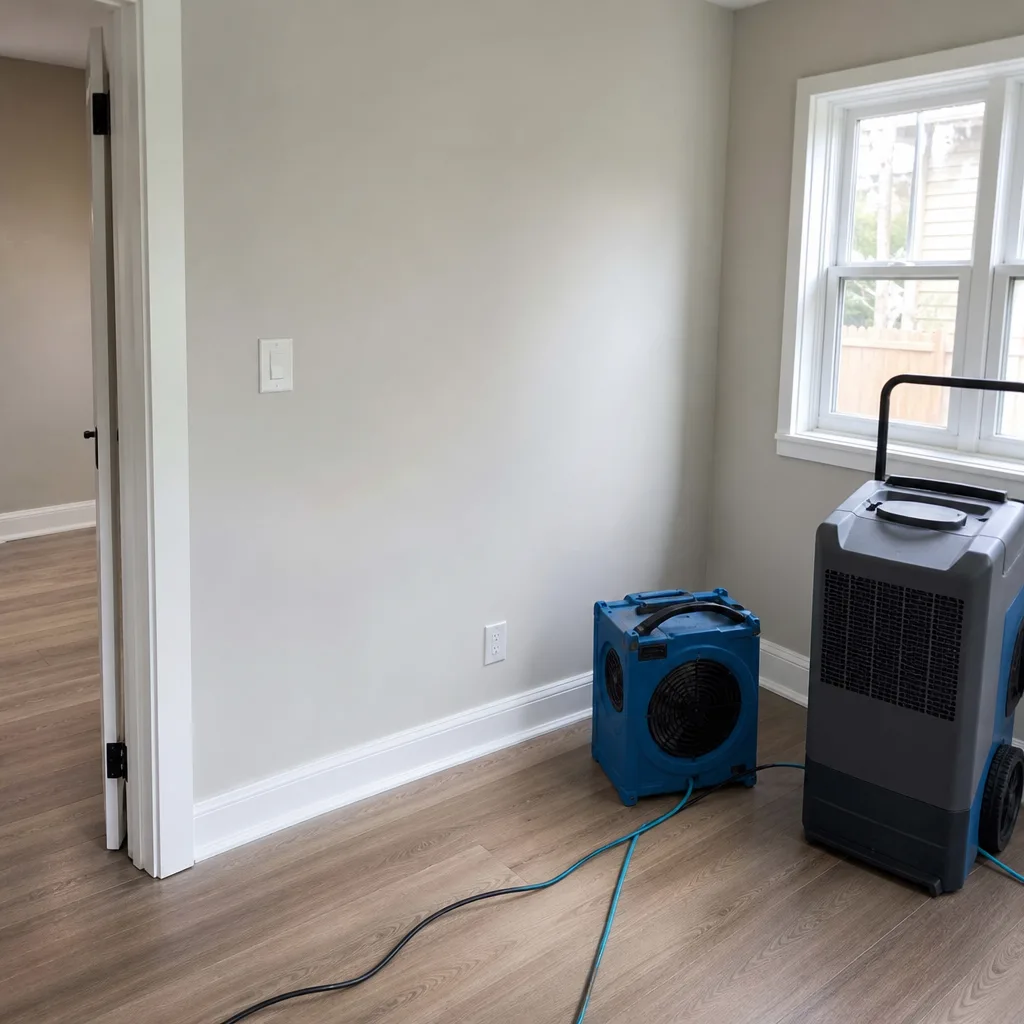 After
After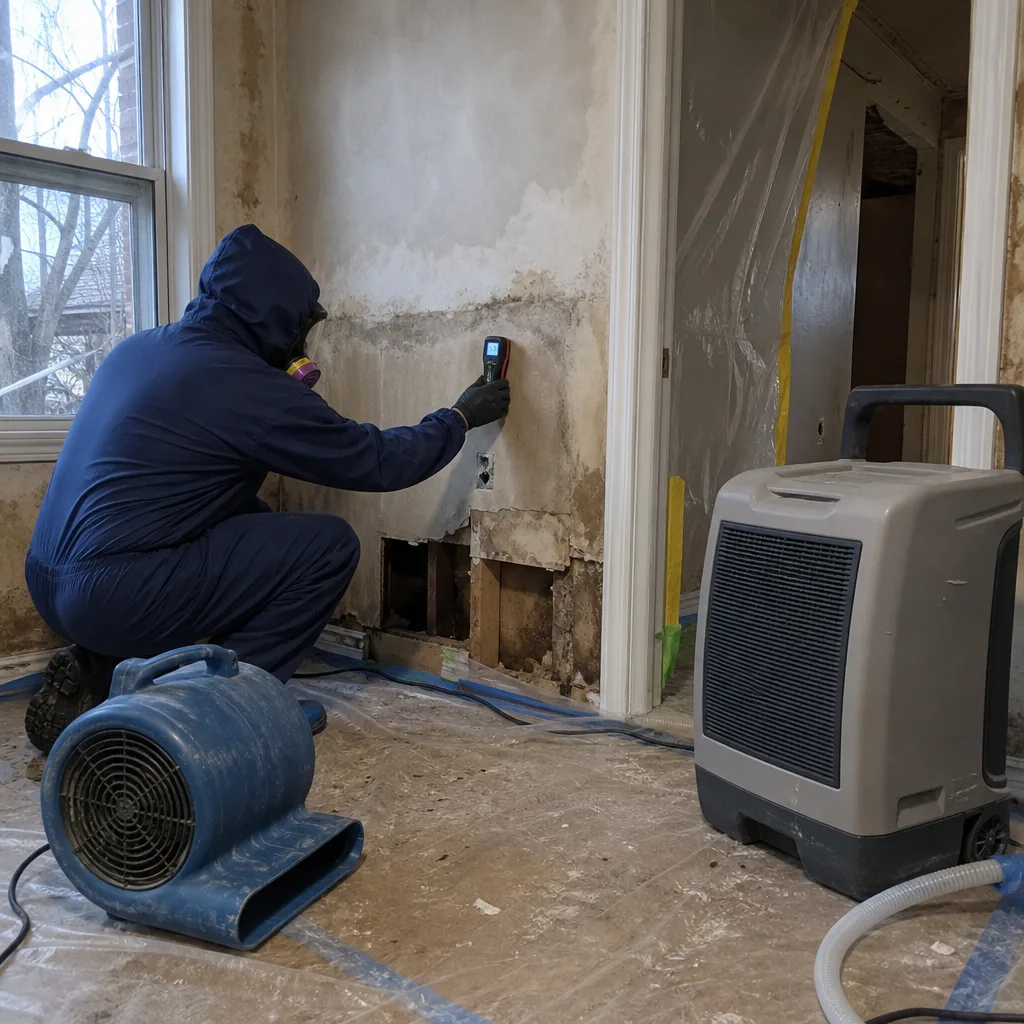 Before
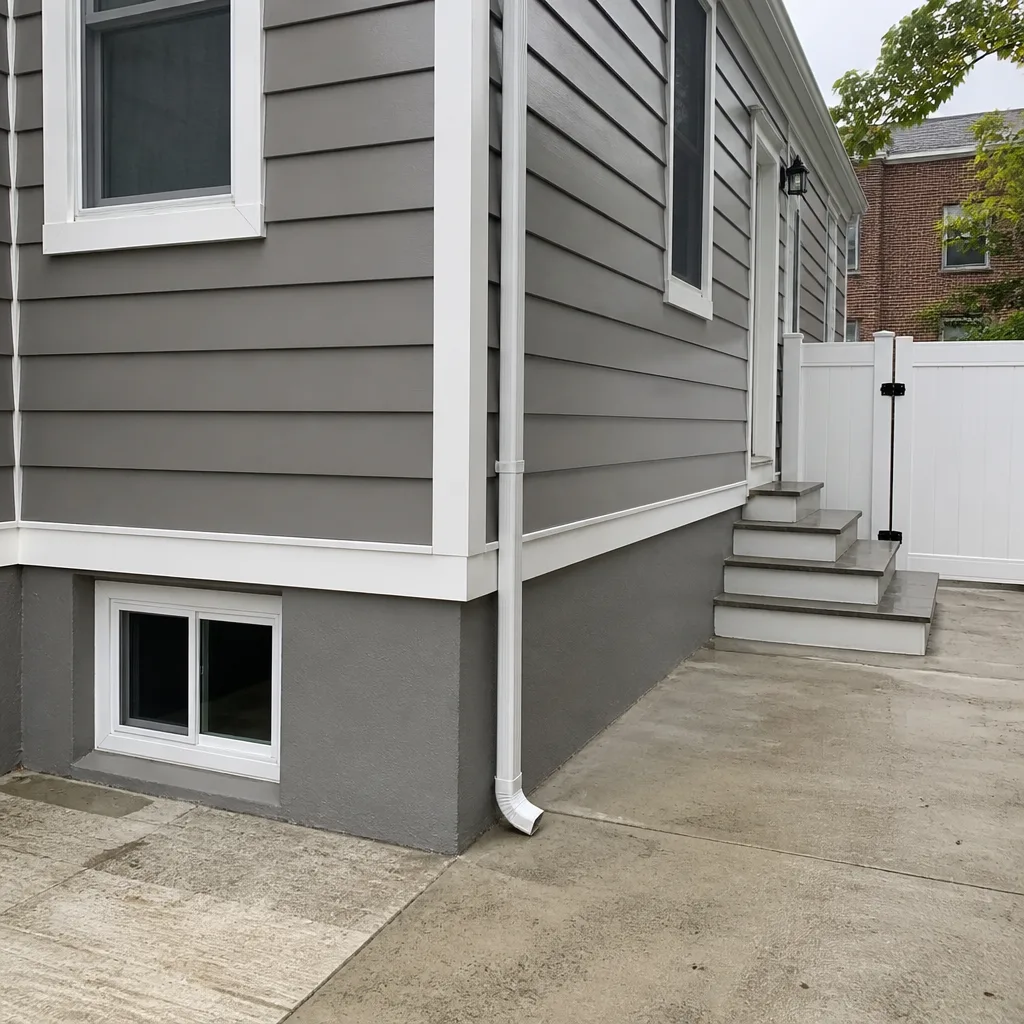 After
After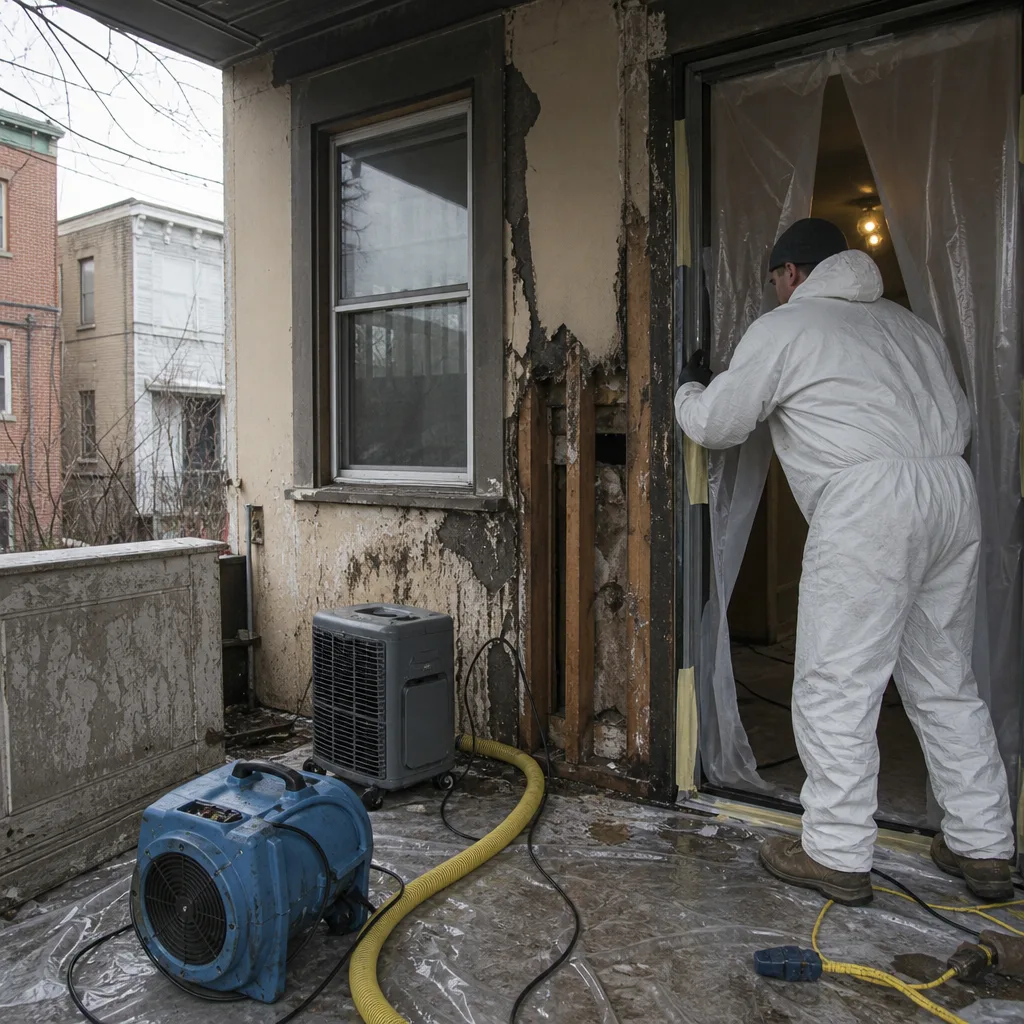 Before
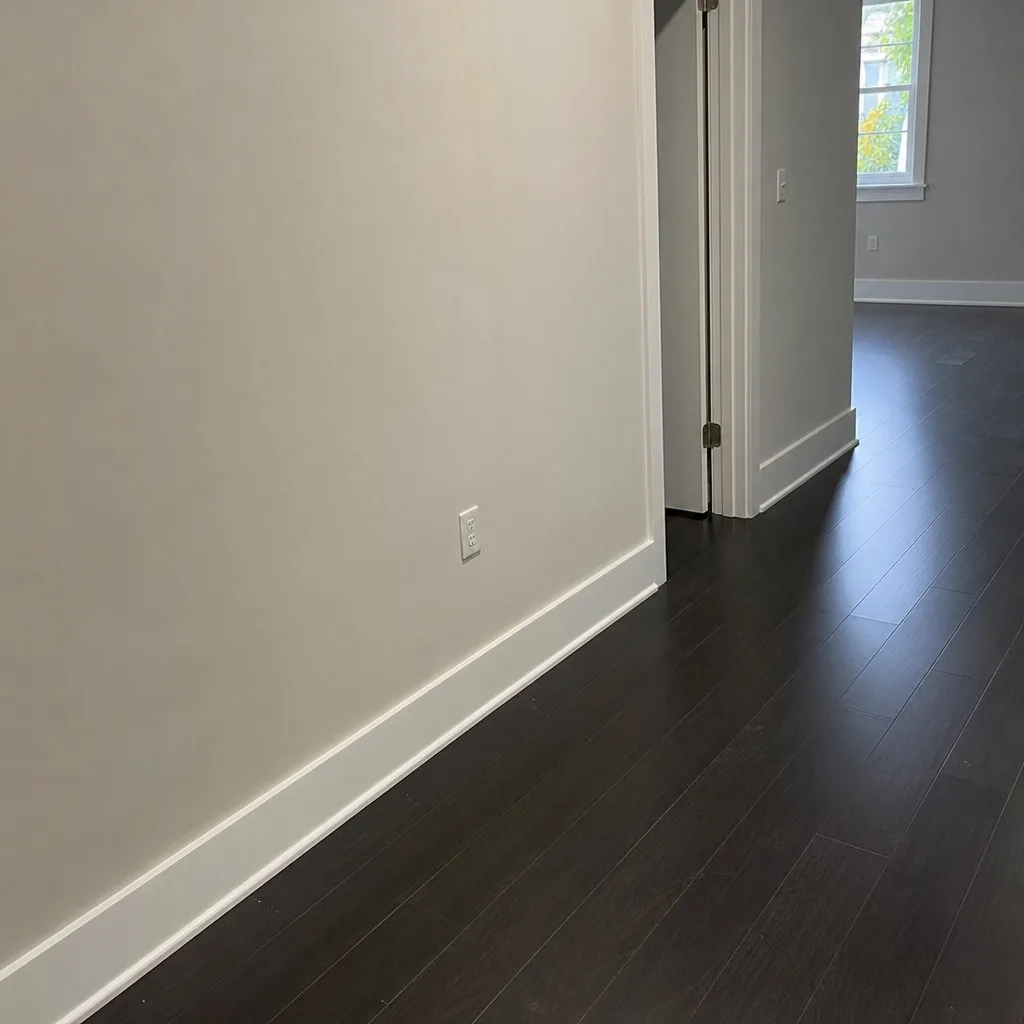 After
AfterCommon Water Damage Restoration Problems We See in Brooklyn Homes
- Wind-driven rain through parapet cracks. Nor’easters and hurricane remnants push rain sideways into old brick facades. Water enters through parapet cracks and runs down inside wall cavities, soaking multiple floors before you see a stain.
- Shared party wall moisture transfer. When your neighbor’s leak soaks the shared wall, moisture moves into your joist pockets and plaster. Drying only your side leaves a mold source inside the wall assembly.
- Co-op board and landmark approval delays. In landmarked districts like Park Slope and Bed-Stuy, you often need board or Landmarks Preservation Commission sign-off before drilling drying holes or altering exterior masonry. Every day of delay lets category 1 clean water degrade to category 2 or 3, which forces tear-out.
- Clay sewer line failure during extraction. Aggressive pumping in a prewar basement can collapse a 100-year-old clay sewer line. That turns a water mitigation job into a sewer backup and a far more expensive repair. We pull carefully and check first.
Pricing for Water Damage Restoration in Brooklyn, NY
Emergency water extraction in Brooklyn runs $450 – $900 for a single room, $900 – $2,200 for a full basement or multiple rooms. Structural drying with professional equipment adds $800 – $2,500 depending on square footage and how long water sat. Flooded basement cleanup with sewage contact starts around $2,000 and can reach $6,000 when clay sewer lines or oil tank complications are involved. Ceiling and roof leak repairs run $600 – $1,800 for drywall and plaster repair after drying. Every job gets a written scope with a fixed price before we start. Estimates are free. Call (607) 325-7185 and we’ll give you real numbers, not a vague range.
We Also Serve Cities Near Brooklyn
Our Brooklyn crews also run water damage jobs in nearby New York, Elmhurst, Rego Park, and Ozone Park. If you’re in one of those neighborhoods and water is moving through your house, the same Water Damage Restoration team handles it with the same written-price standard.
Serving Brooklyn, NY - Our Local Coverage Area
We’re based in the Brooklyn area and know this community well. Use the map below to see our service coverage - if you’re nearby, we can almost certainly help.
FAQs About Water Damage Restoration in Brooklyn
Landmark rules can add days to the process. In Park Slope and Bed-Stuy, any alteration to exterior masonry or parapets requires Landmarks Preservation Commission approval, and interior work in co-ops usually needs board sign-off. We can start extraction and interior drying immediately because those don’t touch the exterior. But if drying requires drilling through a facade or altering a parapet, we document the need and coordinate with the board and commission while running interior containment so the damage doesn’t spread. Call (607) 325-7185 and we’ll tell you exactly what your building will require.
Mold can begin in 24 – 48 hours on wet drywall and within 72 hours on wood, but in a brownstone the real risk is hidden wall cavities that take weeks to dry naturally. We arrive within 90 minutes in most Brooklyn neighborhoods, extract standing water same day, and have drying equipment running within hours. The goal is to stop moisture migration before it reaches original joists and lath-and-plaster. If water sat more than 48 hours before we arrive, we treat it as a category 2 or 3 job and may bring in our Mold Remediation in Brooklyn team to assess hidden growth and adjust the drying plan and scope accordingly.
Yes, and that’s exactly how we approach it. We check for floor drains, sump pits, and any sign of sewer backup before extraction. We pump at controlled rates and use moisture mapping to confirm the sewer line isn’t compromised. In older Flatbush and Crown Heights tenements, the clay sewer line is often directly under the basement slab, so we avoid aggressive negative pressure near that zone. If the line is already damaged from prior work or age, we document it and coordinate the fix with your insurance carrier.
Yes. In attached row houses, a leak on one side of a party wall typically migrates into joist pockets and plaster on the other side. You’re responsible for drying your own unit, but if moisture from your neighbor’s leak damages your space, their insurance should cover it. We document moisture readings on both sides of shared walls and photograph everything, which gives your adjuster the evidence to handle cross-liability cleanly. We also coordinate with neighbors’ insurance when the source is on their side.
Wind-driven rain pushes water through parapet cracks and flat roof seams, and that water runs down inside the wall cavity, often soaking three floors before you see a ceiling stain. The fix starts with extracting and drying the interior, then repairing the exterior penetration: repointing parapet cracks, sealing roof seams, or replacing damaged parapet caps. In landmarked districts, the exterior repair may require commission approval. We handle the interior drying immediately and document the exterior scope for the board or commission. For an exact scope and price, call (607) 325-7185.
Written by Shane Pruitt, Owner at Keegan Restoration Brooklyn, serving Brooklyn since 2005.