
Last updated October 16, 2026
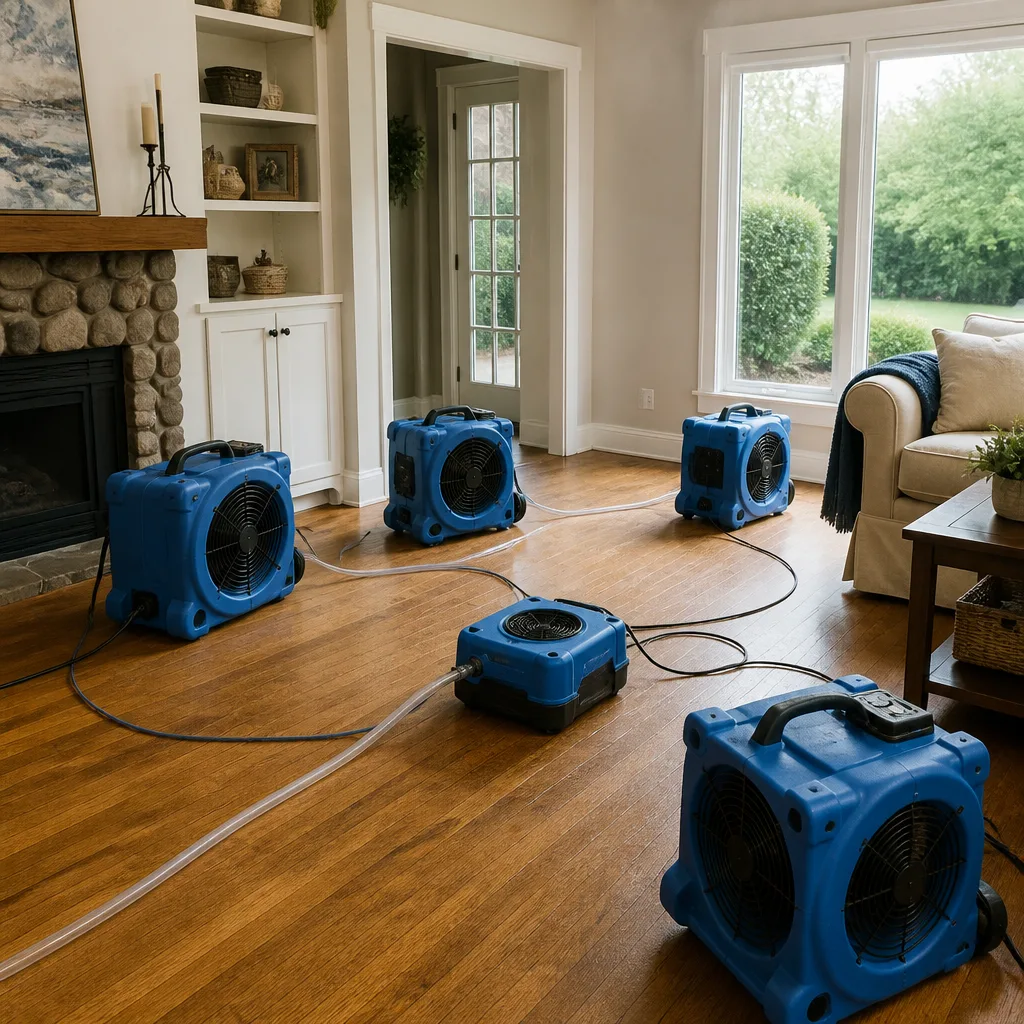 Water damage drying
 Fire & smoke cleanup
 Mold remediation
 Storm response
 Sewage cleanup
 Reconstruction
Free visual inspection and a written scope of work before any mitigation begins - photos, moisture readings, and drying logs go in your claim file
The scope we write is the scope we bill. Anything new gets shown to you, in writing, before we touch it.
Get your free estimateDamage Restoration Permits, Codes & Inspections in NY: What You Need to Know
A Brooklyn homeowner sold their brownstone three years after a water damage restoration, only to have the buyer’s attorney pull Department of Buildings records and find an open violation from the repair. The contractor had skipped permits, the homeowner never knew they were required, and the sale stalled for 47 days while $14,000 in remediation costs came out of the seller’s pocket. This happens more often than anyone in the restoration trade wants to admit. What follows is a plain-language guide to when restoration work in New York City triggers permit requirements, how code enforcement actually works, what your insurance policy says about unpermitted work, and how to protect yourself before you let a crew start cutting drywall in Brooklyn. For Damage Restoration Warning Signs: A Brooklyn Homeowner’s Reference Guide, see our companion resource.
Restoration work we handle
Quick Answer
Most structural restoration work in NYC requires a Department of Buildings permit, and the permit is legally the property owner’s responsibility, not the contractor’s. Cosmetic work like drying, cleaning, and painting usually does not need a permit, but replacing drywall beyond a limited patch, altering framing, or touching electrical, plumbing, or gas lines almost always does. If work is done without required permits, you risk insurance claim denial, DOB violations that follow the property, and delayed or failed home sales. Always verify permit requirements in writing before restoration begins.
Table of Contents
- Who Is Legally Responsible for Permits: The Homeowner, Not the Contractor
- The Scope Thresholds: What Triggers a DOB Permit in NYC
- Landmark Rules: How LPC Requirements Layer On Top of DOB for Brooklyn Brownstones
- Permit Types You’ll Actually Encounter in Restoration Work
- What Unpermitted Work Does to Your Homeowner’s Insurance Policy
- How to Check Open Violations and Active Permits Before You Hire Any Contractor
- The Post-Restoration Inspection Process: Who Schedules It, Who Pays, What Happens If It Fails
- Common Mistakes to Avoid
- When to Call a Professional
- Frequently Asked Questions
- The Bottom Line
Who Is Legally Responsible for Permits: The Homeowner, Not the Contractor
Under the New York City Administrative Code, the property owner is the party legally obligated to ensure work is performed with the required permits. Your contractor might say they’ll “handle it,” and a reputable one will, but if they don’t, the violation lands on your property, in your name, on the DOB’s Building Information System. This surprises most Brooklyn homeowners because it runs against everything they assume about hired work. The plumber pulls the plumbing permit. The electrician pulls the electrical permit. The restoration contractor pulls the alteration permit. That’s the normal flow. But the legal burden sits with you, and the city will hold you accountable regardless of what your contractor promised.
Here’s the core problem: restoration contractors move fast. That’s the job. A pipe bursts on a Tuesday, the crew arrives Wednesday, and by Friday the affected drywall is cut out and replaced. In that speed, permit applications get skipped. Some contractors operate this way deliberately, knowing the homeowner is distracted, the emergency is pressing, and the city’s enforcement depends on someone reporting the work. The homeowner discovers the problem years later, at the worst possible time.
What does this mean practically? Before any restoration work begins, get the permit conversation in writing. A scope of work that itemizes every step, and a written confirmation of which permits are required and who is filing them. Not a verbal assurance. Not a text message. A written scope with permit responsibility stated clearly. When we prepare a scope of loss for a water damage restoration in Brooklyn, the permit determination is part of the document. It protects the homeowner and it protects the work.
This is also where a written price before work starts matters beyond cost alone. Contractors who operate without permits typically cut corners elsewhere. They move prices at the door. They send whoever is available. They don’t document the job. A contractor who resists putting the permit plan in writing is telling you something important about how the rest of the project will go.
The Scope Thresholds: What Triggers a DOB Permit in NYC
Not every restoration job requires a permit. The distinction comes down to the scope of work, and the DOB has established thresholds that separate maintenance and cosmetic repair from regulated construction. Understanding these thresholds is the single most useful thing a Brooklyn homeowner can learn before hiring a restoration crew.
Work that generally does NOT require a DOB permit:
- Water extraction and structural drying using air movers and dehumidifiers
- Cleaning and sanitizing affected surfaces
- Painting and refinishing existing surfaces
- Replacing flooring finishes like carpet or floating laminate over existing subfloor
- Replacing cabinet doors, trim, or other non-structural finish elements
- Patching drywall holes less than a specific size without touching framing, wiring, or plumbing behind the wall
Work that generally DOES require a DOB permit:
- Replacing drywall on walls or ceilings when the removal exposes structural framing, requiring new fire-rated assembly installation
- Any modification, replacement, or extension of electrical wiring, outlets, or panels
- Any modification or replacement of plumbing lines, drainage, or supply pipes
- Any alteration to load-bearing walls, beams, columns, or floor joists
- Installation or replacement of gas lines or gas-fired equipment
- Structural repairs after fire damage, including replacing charred framing members
- Any work in a building that triggers alteration thresholds under DOB’s ALT1, ALT2, or ALT3 filing categories
The drywall question causes the most confusion in Brooklyn. If a water loss soaks a wall and the crew cuts out the damaged sheetrock, dries the cavity, and reinstalls new drywall to match the existing assembly, many contractors treat it as a repair, not an alteration. But if the wall was fire-rated, which is common in multi-family Brooklyn buildings and many attached brownstones, the new installation must restore the fire rating. That triggers a permit. If the crew has to remove and reinstall insulation, vapor barrier, or any element of the wall assembly, that’s regulated work.
Same logic applies to fire damage restoration in Brooklyn. A small kitchen fire that requires repainting and cabinet replacement may not need a permit. A fire that compromised floor joists or burned through wall studs definitely does. The structural element is the trigger. Our crews operate under RIA guidelines for damage assessment, but the DOB’s permit threshold always controls what gets filed and when.
Landmark Rules: How LPC Requirements Layer On Top of DOB for Brooklyn Brownstones
Brooklyn has the largest concentration of landmarked residential properties in the country. Park Slope, Brooklyn Heights, Fort Greene, Clinton Hill, Cobble Hill, and parts of Bed-Stuy are dotted with historic districts where the Landmarks Preservation Commission holds jurisdiction. If your brownstone sits in one of these districts, or if the building is individually landmarked, you have a second regulatory layer on top of the DOB.
The LPC requires a separate permit for exterior work affecting the building’s appearance. That includes facade repairs, cornice replacement, stoop work, window replacement, and roofing changes. Interior restoration work generally falls outside LPC jurisdiction, but there’s a catch: any work that changes the building’s exterior appearance, even if triggered by interior damage, requires LPC review. If a fire blows out windows and you’re replacing them with anything other than identical units, you need LPC approval. If water damage rots a cornice and it must be rebuilt, the DOB permit covers the structural work and the LPC permit covers the design compliance.
The LPC process adds time. A typical staff-level review takes weeks. A public hearing for major changes can take months. This has real implications for restoration timelines in Brooklyn. If your emergency restoration includes any exterior element on a landmarked property, plan for the LPC review period. Contractors who work regularly in landmarked Brooklyn neighborhoods know which triggers apply and can sequence the work so emergency stabilization happens first while the LPC review proceeds in parallel.
When you’re vetting a restoration contractor, ask whether they’ve done work in your specific historic district. The rules vary. Brooklyn Heights has different requirements than Park Slope. A crew that’s never filed with the LPC will learn on your project, and that learning curve costs time and money.
Permit Types You’ll Actually Encounter in Restoration Work
The DOB processes restoration work under a handful of permit and filing categories. Knowing the names helps you read a contractor’s proposal and spot when they’re filing the wrong paperwork or none at all.
- ALT2 (Alteration Type 2): This is the most common filing for restoration work that doesn’t change the building’s use, egress, or occupancy. Replacing drywall assemblies, repairing structural members, and other interior restoration typically files as ALT2. A registered architect or engineer must file ALT2 applications.
- ALT3 (Alteration Type 3): This is a simplified filing for minor work that doesn’t require architectural drawings, limited to specific scopes. Some minor interior restoration can file as ALT3, but the eligibility is narrow. In our experience in Brooklyn, most legitimate restoration scopes exceed ALT3 limits and require ALT2.
- Directive 14 of 1975: This is the rule that allows façade repairs to proceed with the LPC’s involvement when the building is landmarked. Any façade restoration on a landmarked Brooklyn building goes through Directive 14.
- Electrical Permit: Separate from the alteration filing. Any electrical work requires a licensed electrician to pull an electrical permit. Restoration crews that touch wiring without pulling an electrical permit are creating a violation.
- Plumbing Permit: Same concept. Any plumbing line replacement or modification requires a licensed master plumber to pull a plumbing permit. The restoration contractor coordinates with the licensed plumber, but the permit itself is a plumbing filing.
- Emergency Work Notifications (EWN): When damage is immediately hazardous, the DOB allows emergency stabilization work to proceed before permits are issued, provided the work is reported promptly. This applies to structural shoring, gas shutoffs, and other life-safety work. The EWN process is not a substitute for eventual permitting; it’s a stopgap.
The filing process for ALT2 typically takes one to three weeks for plan approval, depending on scope and whether objections are raised. That timeline matters because restoration can’t wait. The solution most contractors use in Brooklyn is to sequence the work: emergency mitigation and drying happen immediately under the EWN or as non-permitted restoration activities, and the permit application proceeds in parallel for the reconstruction phase. This is legal if done correctly, and it’s how we structure our restoration schedules. The key is that the permit application is filed before the regulated work begins, not after.
What Unpermitted Work Does to Your Homeowner’s Insurance Policy
Read your homeowner’s policy carefully and you’ll find language that most people never see until a claim is denied. Standard HO-3 policies in New York typically contain an exclusion or condition related to unpermitted work. The exact language varies by carrier, but the common formulation is that the insurer will not pay for damage caused by or resulting from work that was performed without required permits, or that the policyholder’s failure to comply with building codes and permit requirements can void coverage for the affected loss.
Here’s the practical problem: the claim denial often happens on a subsequent loss, not the original one. The water damage restoration in 2023 was done without permits. In 2026, a separate water event damages the same area. The adjuster investigating the new loss discovers the unpermitted work from the prior claim. The carrier now argues that the prior improper repair contributed to the new damage or that the policyholder’s failure to maintain the property in code-compliant condition voids coverage. The homeowner is left holding the full cost of the new repair.
Even when a denial doesn’t happen, unpermitted work creates documentation problems that complicate legitimate claims. When you file a claim for water damage restoration, the insurance carrier asks for the scope of work, photographs, and receipts. If the scope of work includes elements that required permits and no permit exists, the carrier’s adjuster has grounds to question the entire claim. This is why we document every job in Brooklyn with photo evidence and a written scope of loss formatted to support the insurance claim. The documentation serves the claim, and the permit filing serves the documentation.
The other insurance angle is liability. If unpermitted work is discovered after a sale, and the new owner suffers a loss related to that work, the seller’s liability doesn’t necessarily end at closing. New York courts have allowed claims to proceed against sellers who knew or should have known about unpermitted work and failed to disclose it. The Brooklyn brownstone example from the introduction is not hypothetical; sales fall apart over this regularly. The $14,000 the seller paid is on the low end of what we’ve seen in settlement discussions.
How to Check Open Violations and Active Permits Before You Hire Any Contractor
Before you sign anything with a restoration contractor, check your property’s standing with the Department of Buildings. The process is free, takes about fifteen minutes, and gives you the baseline information you need to evaluate whether a contractor’s permit claims are accurate. Here’s the exact sequence:
- Go to the NYC Department of Buildings website and open the Building Information System. This is the public-facing database that tracks permits, violations, complaints, and inspections for every address in Brooklyn.
- Enter your property address. If you’re in a multi-unit building, you may need to search by block and lot number rather than street address.
- Review the “Violations” tab. Look for any open violations. An open violation means the DOB is actively pursuing the property for unpermitted work, unsafe conditions, or failed inspections. You want to know about these before a restoration contractor starts claiming the site is clean.
- Review the “Permits” tab. Look for active permits on the property. If there’s an open renovation permit from a previous owner, that can complicate new restoration work, especially if the permit was never properly signed off.
- Review the “Complaints” tab. This shows whether any neighbors or city inspectors have filed complaints about work on the property. A history of complaints means any new restoration work will likely face extra scrutiny.
- If you find open violations, don’t panic. Many violations are resolvable. But you need to resolve them through the proper process, not ignore them. A restoration contractor who understands the DOB process can help you navigate the resolution.
This pre-hire check serves two purposes. First, it tells you what you’re dealing with. Second, it tells you something about the contractor you’re evaluating. A legitimate restoration company in Brooklyn does this same check before quoting any significant scope. If a contractor seems unaware of your property’s DOB history, that’s a signal. The good ones know the Building Information System the way a mechanic knows a lift diagram.
For mold remediation in Brooklyn specifically, the verification step is even more important. Mold work often involves drywall removal and replacement, which brings you back to the permit thresholds. A mold remediation that strips walls without pulling permits creates the same violation exposure as any other unpermitted alteration. The health concerns around mold get the attention, but the permit exposure is what haunts you at resale.
The Post-Restoration Inspection Process: Who Schedules It, Who Pays, What Happens If It Fails
When a permit is pulled for restoration work, the permit isn’t closed until the work passes inspection. The inspection process is the DOB’s verification that the work was performed according to approved plans and code requirements. Here’s how it works.
Who schedules the inspection: The permit holder, typically the contractor or the filing architect/engineer, schedules the inspection through the DOB’s online portal. The homeowner does not schedule inspections directly, but the homeowner should confirm in writing that inspections are part of the contractor’s scope. If the contractor says they’ll handle permits but not inspections, you don’t have a complete deal.
Who pays for the inspection: The permit fee paid at filing covers the first inspection. If the work fails and requires re-inspection, additional fees apply. The question of who pays for re-inspection should be addressed in your contract. A contractor who did the work correctly will pass the first time barring unexpected issues. A contractor who cut corners will fail, and you don’t want to be paying for that failure.
What happens at the inspection: The DOB inspector arrives, reviews the approved plans against the actual work, and looks for code compliance. For restoration work, the inspector typically checks the structural elements, the fire rating of rebuilt assemblies, the electrical and plumbing work if those trades were part of the scope, and the overall workmanship. The inspector is not there to catch every minor imperfection; they’re there to verify that the work meets the standard the permit application promised.
What happens if the work fails: The inspector issues objections. The objections list specific deficiencies that must be corrected. The contractor then has to fix the deficiencies and schedule a re-inspection. Each cycle adds time and money. In the worst case, the DOB can issue a stop work order, which freezes all work on the property until the issues are resolved. We’ve seen stop work orders in Brooklyn add months to a restoration project because the contractor kept cutting corners and failing re-inspections.
The inspection process is also your quality insurance. A contractor who knows the inspector will be checking the work against the plan is a contractor who builds to the plan. Our crews work to The Garrison Standard on every job, and the inspection confirms what we’ve already documented in our own quality checks. The DOB inspector is the final backstop.
Common Mistakes to Avoid
- Assuming the contractor handles permits without verifying: The legal burden is yours, regardless of what the contractor says. Get permit responsibility in writing before work starts, and confirm the permit is actually filed, not just promised.
- Treating all drywall replacement as non-permitted repair: The fire-rating issue is the most commonly overlooked trigger in Brooklyn. If your building has fire-rated walls or ceilings, which most attached Brooklyn homes do, drywall replacement almost always requires a permit.
- Skipping the DOB record check before hiring: Open violations from previous owners don’t disappear when you buy the property. They follow the address. Know what’s on your property record before a new contractor starts work.
- Failing to disclose unpermitted work when selling: New York’s disclosure requirements are limited compared to other states, but buyer’s attorneys in Brooklyn run DOB searches as standard practice. The work will be found, and the cost to fix it will come out of the sale.
- Confusing insurance approval with permit approval: Your insurance carrier approving a claim does not mean the work needs no permit. The carrier’s adjuster evaluates coverage, not building code compliance. Two separate questions with two separate answers.
- Letting emergency pressure override permit discipline: The water is actively damaging the home, the crew is on-site, and the pressure to just start work is intense. Emergency mitigation can proceed without permits, but the reconstruction phase must not. Separate the phases and hold the permit line.
- Hiring a contractor who can’t name the DOB’s filing categories: If you ask a prospective restoration contractor what an ALT2 filing is and they can’t answer, you’ve learned enough. A legitimate Brooklyn restoration company knows the DOB system because they operate in it constantly.
When to Call a Professional
If your restoration scope includes any structural element, any electrical or plumbing modification, or any drywall replacement in a fire-rated assembly, you need a contractor who understands the DOB permit process end to end. This is not a handyman project. The mistakes compound fast: unpermitted work, failed inspections, open violations, insurance complications, and a sale that collapses or costs five figures to rescue. A professional restoration company in Brooklyn will assess the scope, determine the permit requirements, file the correct applications, sequence the work so emergency mitigation proceeds while permits process, and document everything for your insurance claim. The Keegan Restoration Brooklyn home page outlines our full scope of services and how we handle permit compliance on every job. If you’re facing damage right now in Brooklyn, Keegan Restoration Brooklyn offers free estimates and will walk you through the permit determination before any work begins. Call (607) 325-7185 and a live person answers, day or night.
Frequently Asked Questions
It depends on the scope. Water extraction, drying, and cleaning do not require a permit, but replacing drywall, touching electrical or plumbing systems, or altering any structural element does. If you’re unsure whether your restoration scope crosses the permit threshold, get a written determination from a Brooklyn restoration contractor before work starts. Call (607) 325-7185 and we’ll assess your specific situation.
The property owner is legally responsible for unpermitted work, even if the contractor failed to file the permit. The DOB violation attaches to the property address, not to the contractor. This is why the permit plan must be in writing before any restoration begins, and why the contractor’s track record on permits matters as much as their drying equipment.
Use the DOB’s Building Information System online, enter your address or block and lot number, and review the violations, permits, and complaints tabs. The search takes fifteen minutes and is free. A legitimate restoration contractor will run this same check before quoting major work, and you should run it independently before hiring anyone.
It can. Standard New York homeowner’s policies contain provisions that exclude coverage for damage related to unpermitted work, and the exclusion often applies to subsequent losses, not just the original restoration. An unpermitted repair in 2023 can cause a claim denial in 2026 when new damage affects the same area and the adjuster discovers the prior work was not code-compliant.
A DOB permit covers structural and building code compliance for any restoration work in the city. An LPC permit covers design and aesthetic compliance for exterior work on landmarked properties in Brooklyn’s historic districts. If your brownstone is in a landmarked district and the restoration includes exterior elements, you need both permits, and the LPC process adds weeks or months to the timeline.
The inspector issues objections listing the deficiencies, the contractor must correct them, and re-inspection is scheduled. Re-inspection fees apply, and if the issues are serious enough, the DOB can issue a stop work order that freezes the project. The homeowner should verify in the contract that re-inspection costs from contractor errors are the contractor’s responsibility, not the owner’s.
The Bottom Line
Permits are the part of restoration work that nobody wants to think about during an emergency, and they’re the part that comes back to cost you the most. In New York City, the permit responsibility sits with the homeowner, the DOB thresholds are specific and easy to cross, and the consequences of unpermitted work reach into your insurance coverage, your property’s legal standing, and your ability to sell. The protection is simple: check your property’s DOB record before hiring, get the permit plan in writing before work starts, and hire a contractor who can explain the filing process without hesitation. For more guides & resources on protecting your Brooklyn property, visit our blog. That discipline protects you today and for years after the work is done.
Written by Shane Pruitt, Owner at Keegan Restoration Brooklyn, serving Brooklyn since 2005.
See the difference
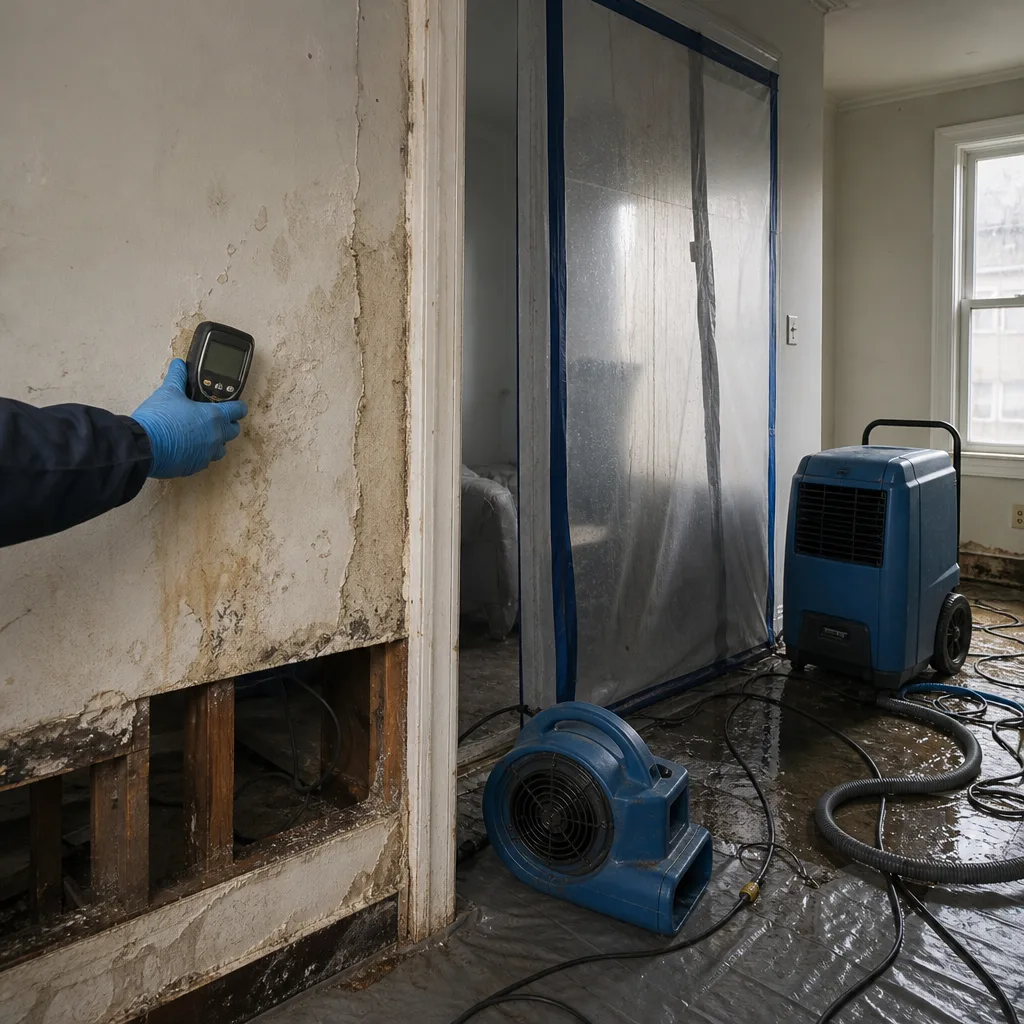 Before
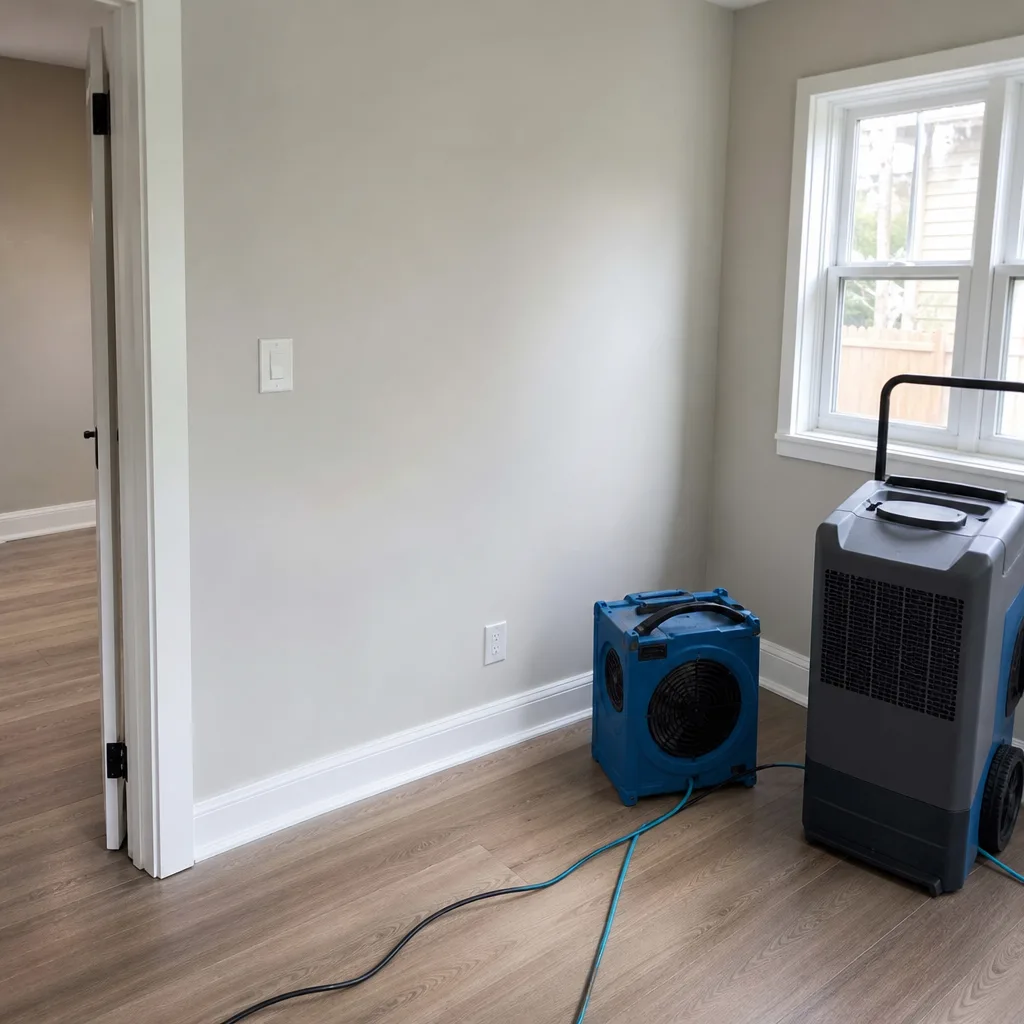 After
After Before
 After
After Before
 After
After