
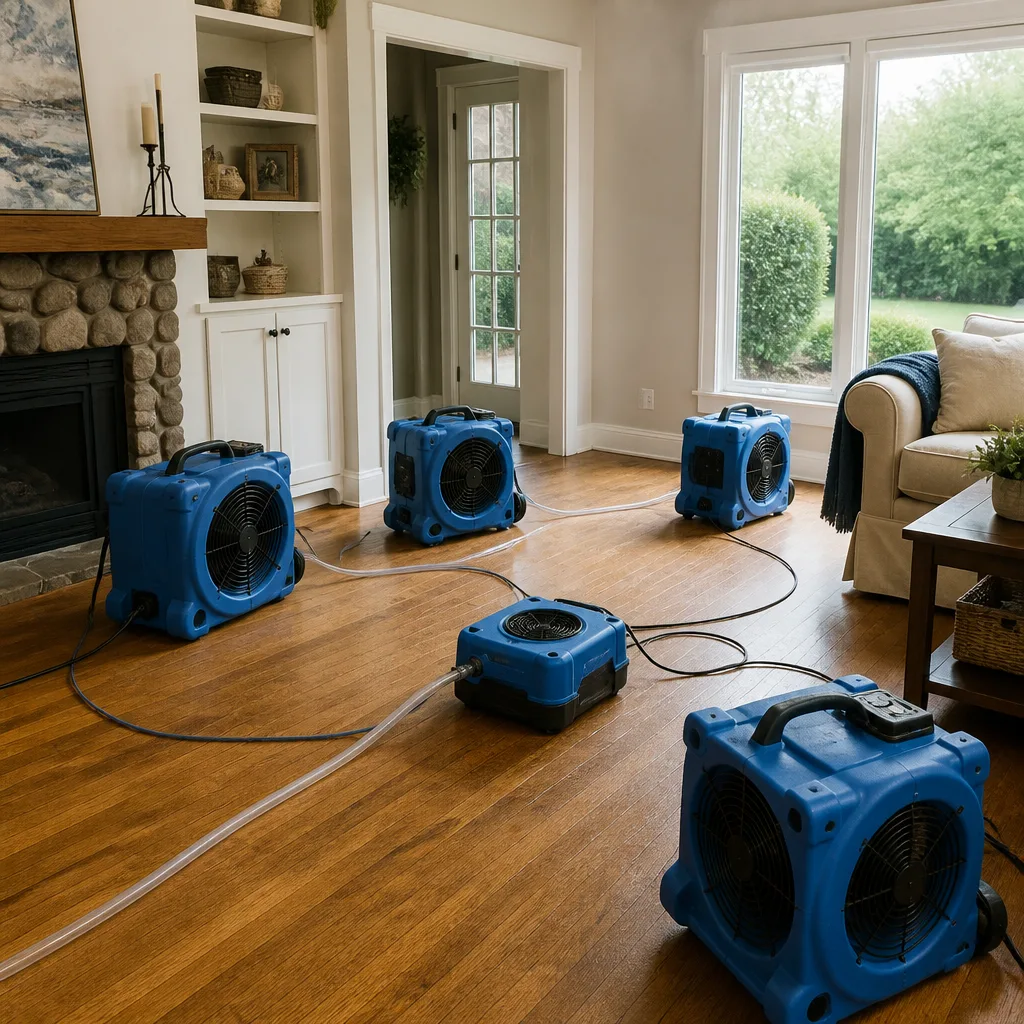
 Water damage drying
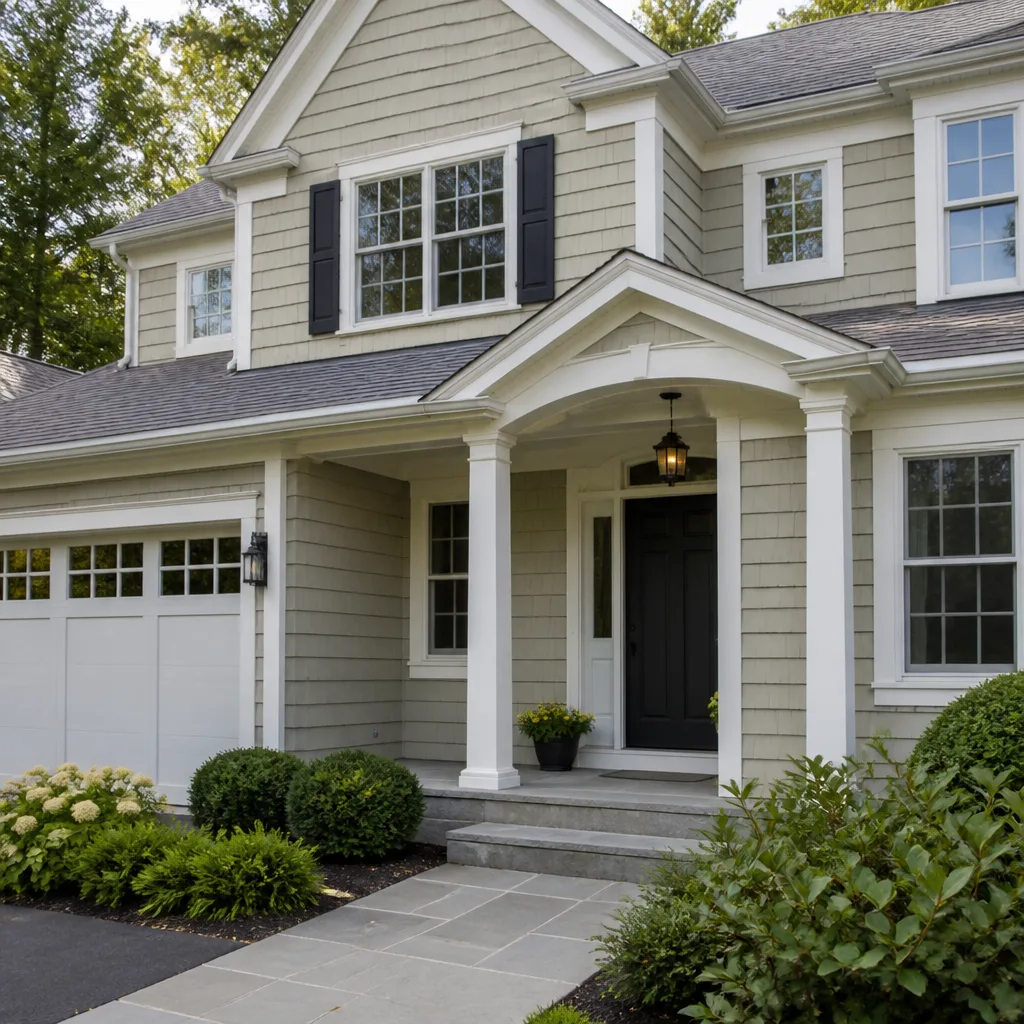 Fire & smoke cleanup
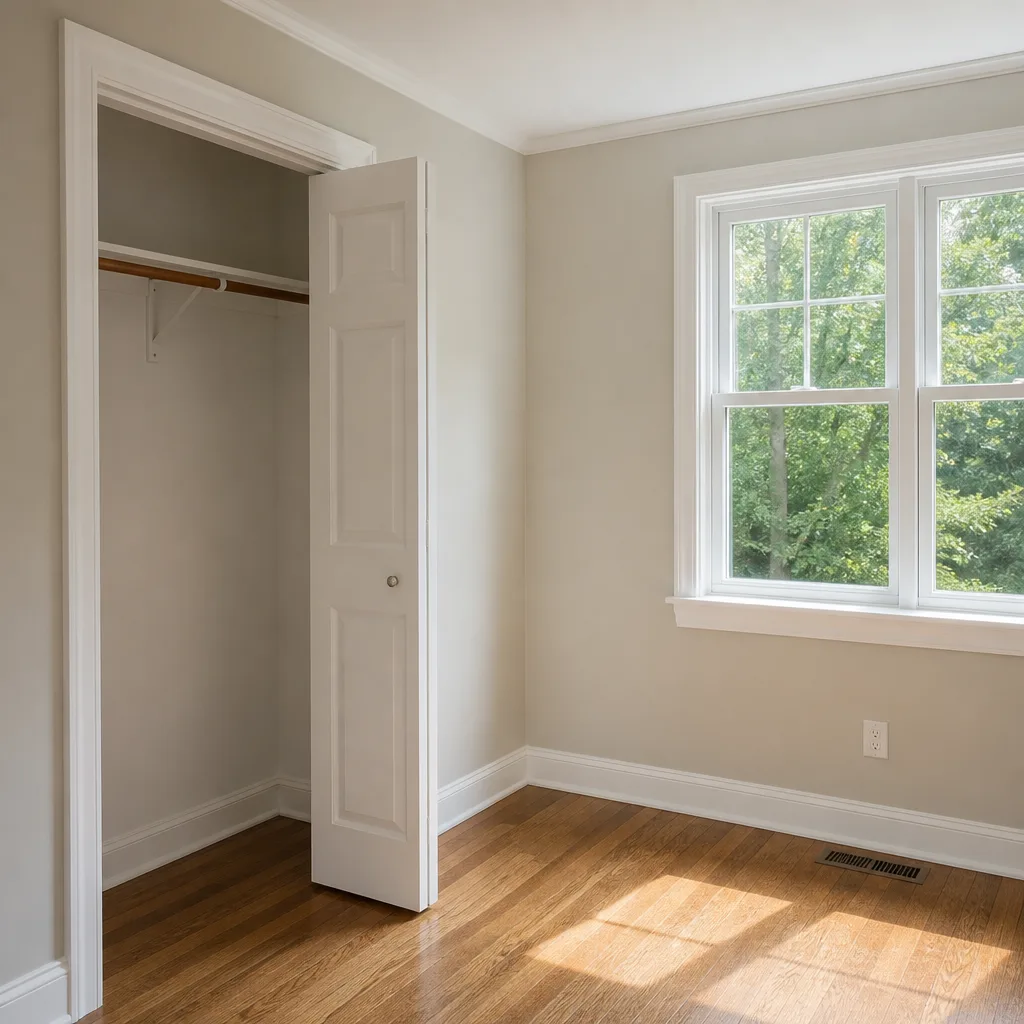 Mold remediation
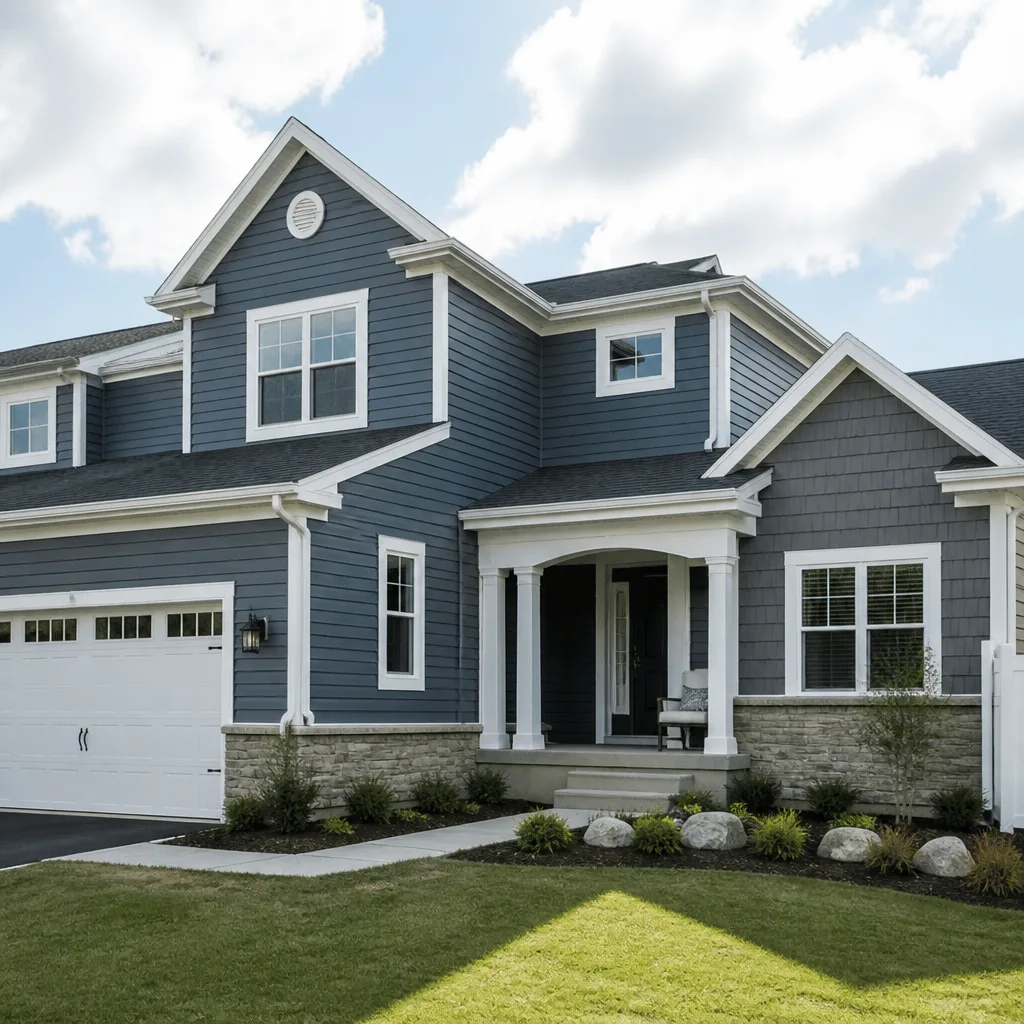 Storm response
 Sewage cleanup
 Reconstruction
Free visual inspection and a written scope of work before any mitigation begins - photos, moisture readings, and drying logs go in your claim file
The scope we write is the scope we bill. Anything new gets shown to you, in writing, before we touch it.
Get your free estimateRestoration work we handle
See the difference
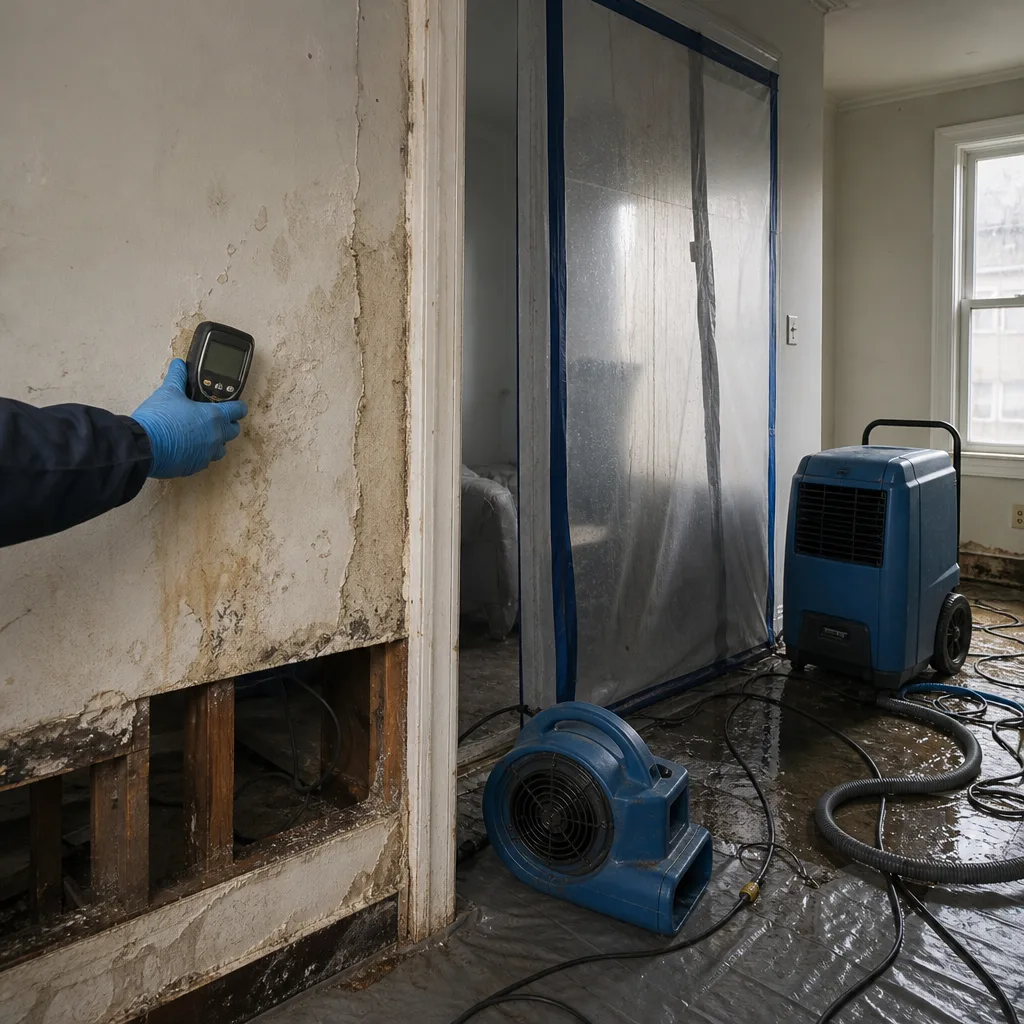 Before
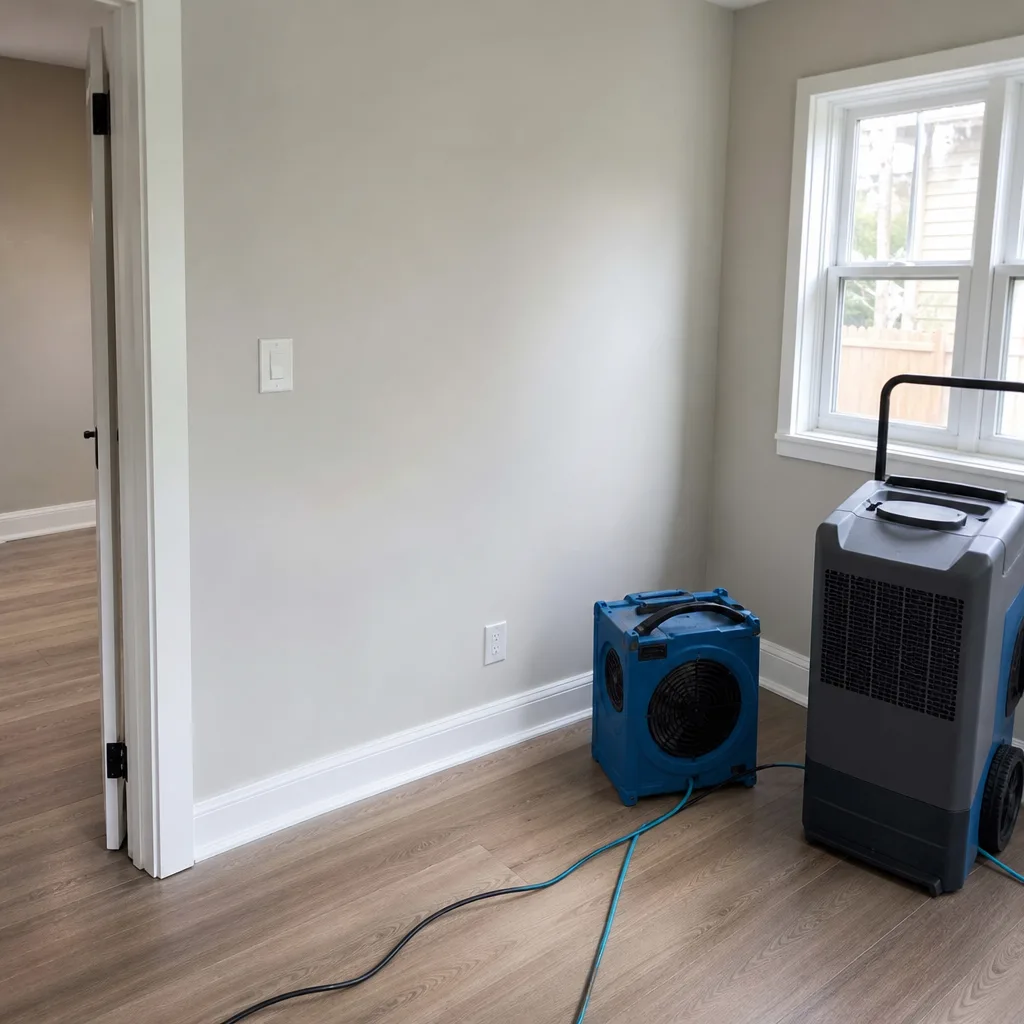 After
After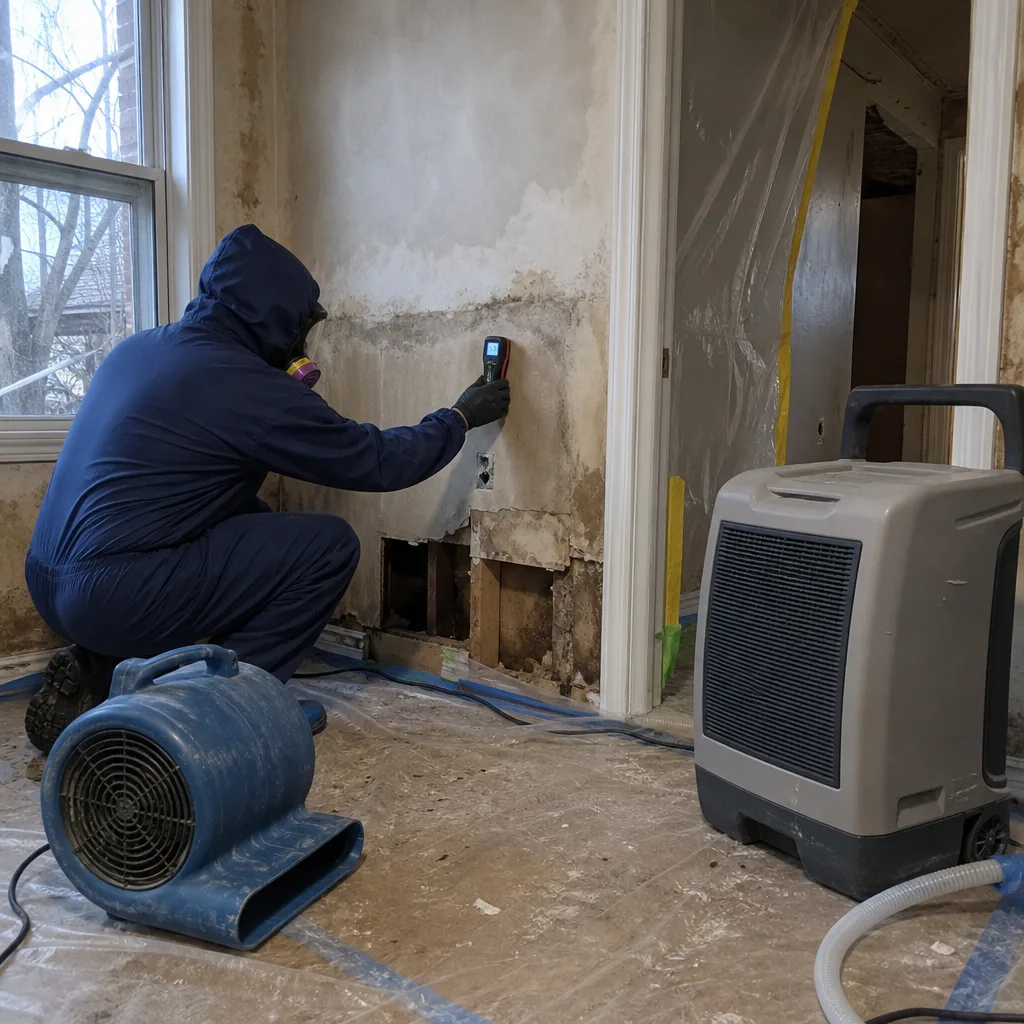 Before
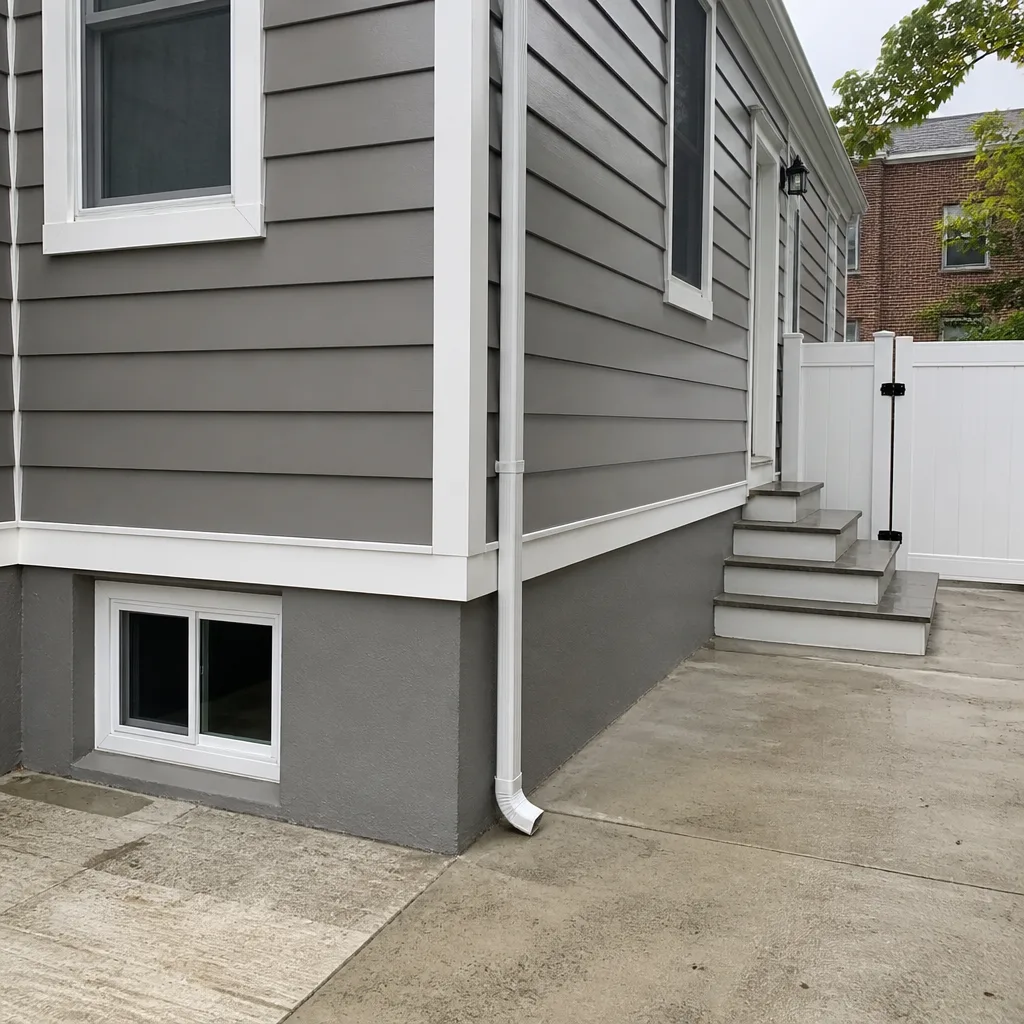 After
After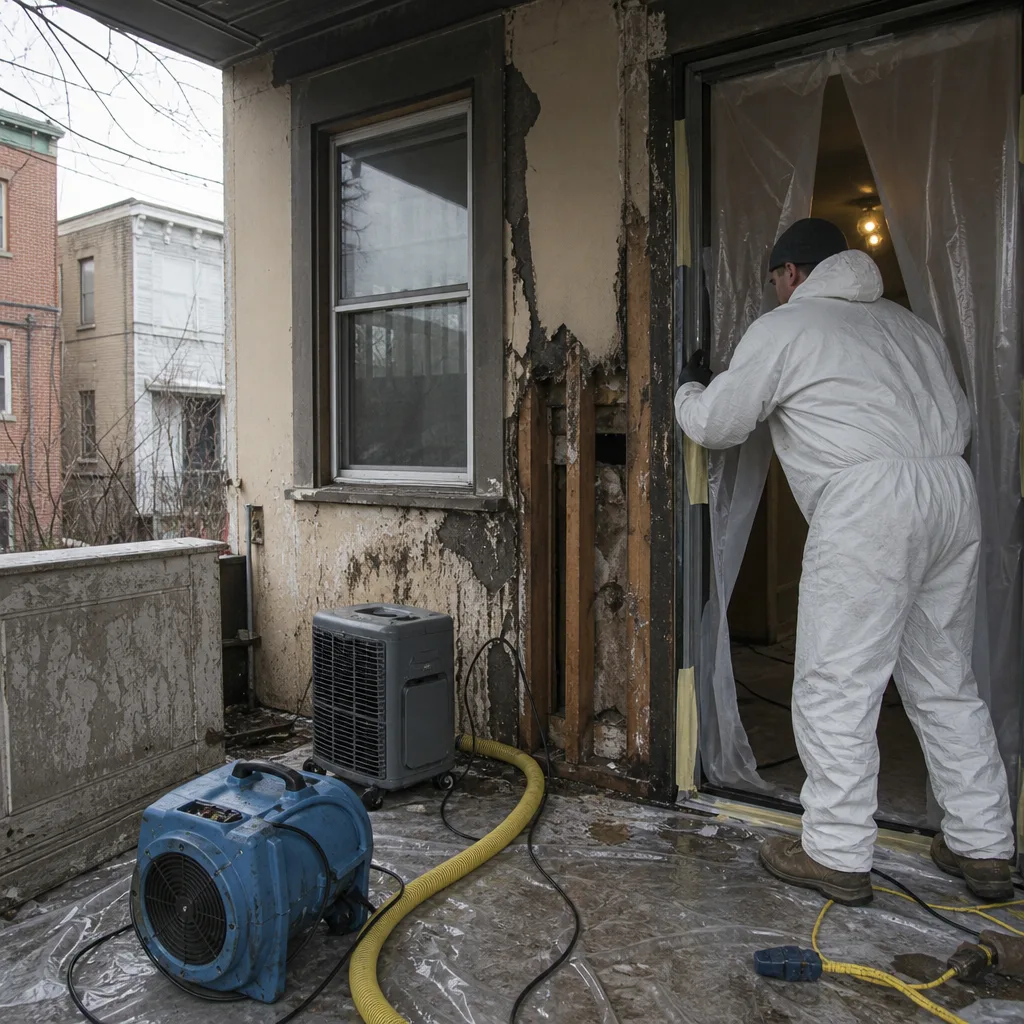 Before
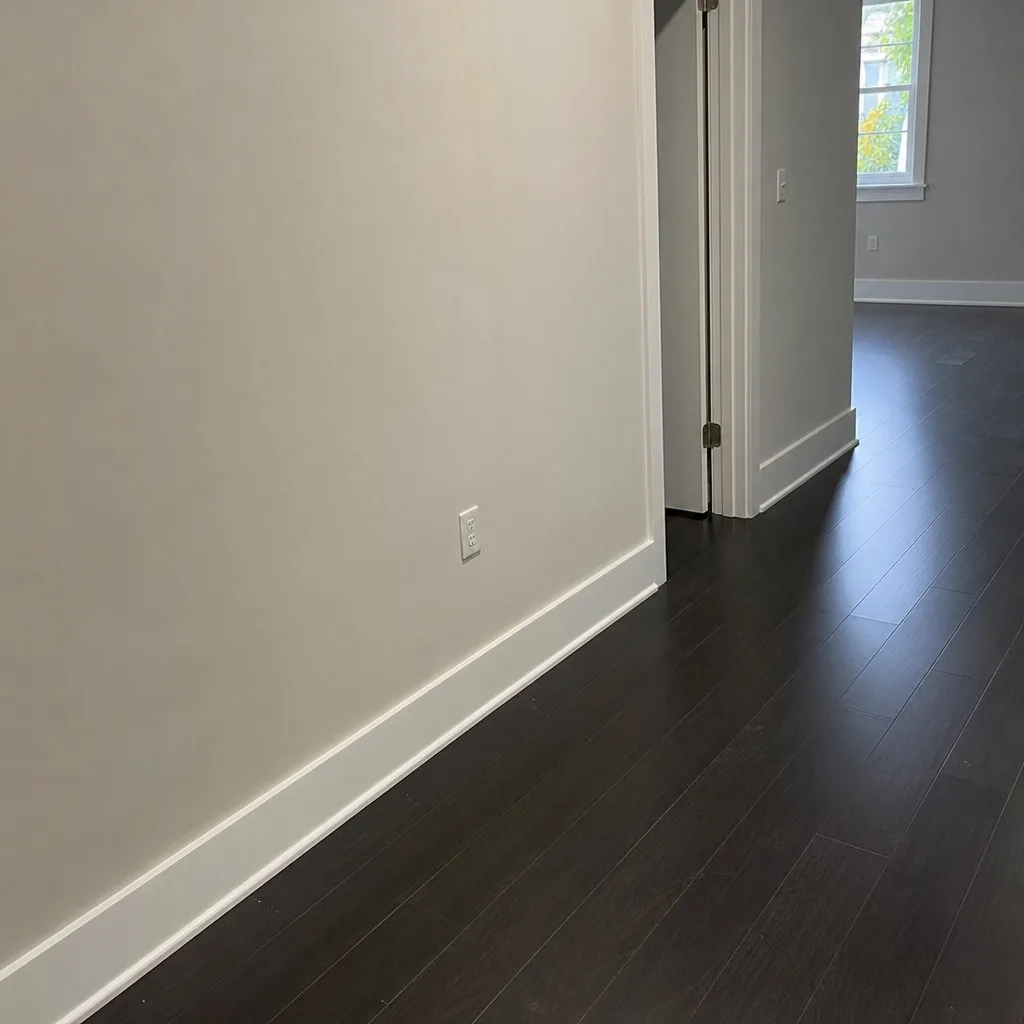 After
AfterStructural Drying & Dehumidification in Brooklyn, NY
Structural drying and dehumidification in Brooklyn typically runs $3 to $7 per square foot for a standard water event, with most complete projects landing between $1,200 and $4,500 depending on how long the water sat and what got wet. Keegan Restoration Brooklyn handles the full scope: extraction, equipment placement, daily moisture monitoring, and the documentation your insurance carrier expects. Call (607) 325-7185 and a live person answers, any hour.
Our crews run professional-grade drying equipment from XPOWER, B-Air, and Injectidry, set and monitored to the humidity and temperature conditions of your specific building, not a generic chart. Before any equipment gets plugged in, you have a written price in hand. That is The Garrison Standard, and it applies to every structural drying job we take in Brooklyn. For the broader scope of what we do, see our Water Damage Restoration in Brooklyn page.
When You Need Structural Drying & Dehumidification
Water does not stop moving when the puddle is gone. It keeps traveling through drywall, subfloor, and framing for days. Here is when Water Damage Restoration and structural drying matters:
- A supply line or appliance leaked while you were out. A slow leak behind a kitchen cabinet or laundry closet can saturate studs and sheathing in 48 hours. By the time you see staining at the baseboard, the moisture has been at work much longer.
- A radiator valve or steam pipe let go in an older Brooklyn building. Prewar and mid-century buildings have plaster walls and long framing runs. Water follows them. Surface drying is not enough; the wall cavity needs measured, mechanical drying.
- Water from an upstairs neighbor or roof penetration soaked your ceiling. In attached housing, the wet zone often spreads into shared walls and floor assemblies. Those enclosed spaces stay damp without forced air movement and dehumidification.
- You smell that musty, wet-paper smell but see no standing water. That is water trapped in porous material. If you can smell it, the moisture has been present long enough for microbial growth to start. Structural drying stops that clock.
- Hardwood floors are cupping, bowing, or crowning. Wood moves when its moisture content changes. Cupping means the underside of the boards is wetter than the top surface. Proper drying with the right low-grain refrigerant or desiccant dehumidifier can often flatten floorboards that would otherwise be torn out.
Our Structural Drying & Dehumidification Process
We work to a written standard on every job. Here is the sequence, step by step, so you know what to expect when the crew arrives.
- Scope the loss and document baseline moisture. We map the wet footprint using moisture meters and thermal imaging. We record readings from drywall, framing, subfloor, and contents. This baseline is what the drying plan is built on, and it becomes part of the claim file.
- Extract standing water and remove saturated material that cannot be dried. Carpet pad, soaked insulation, and some drywall cuts come out. We tell you exactly what we are removing and why, before we remove it. You see the written price before any of this starts.
- Set drying equipment matched to the structure. Injectidry systems for hard-to-reach cavities like under tubs, inside wall voids, and under cabinetry. XPOWER or B-Air air movers and dehumidifiers placed for cross-flow and balanced drying. Placement is a calculation, not a guess, based on the cubic footage of each affected room.
- Monitor daily with adjusted readings. We return daily, take moisture and humidity readings, and move or remove equipment as the structure tells us it is drying. You see the numbers move. That is how we know when the job is done, and it is how we document it.
- Final verification and documentation. When moisture content returns to the dry standard for Brooklyn’s climate and building stock, we pull the equipment and issue the final readings. Every data point, from first scope to final verification, is formatted to support your insurance claim.
Structural Drying & Dehumidification Pricing in Brooklyn
Here is an honest range so you can plan before you call:
- Single room, caught early (clean water, no drywall removal): $1,200 to $2,400
- Two to three rooms with drywall cuts and cavity drying: $2,400 to $4,200
- Full floor or multiple levels with hardwood, plaster, and framing: $4,500 to $9,000+
- Emergency extraction only (before drying begins): $400 to $900, credited toward the drying package
What moves the price: how long the water sat before we arrived, whether the water came from a clean source or a drain line, how much drywall and insulation must come out, and how many floors the moisture traveled through. Brooklyn’s older row houses and brownstones often run higher because plaster walls and dense framing hold moisture longer and require more aggressive drying.
Every quote is written before work starts. The price does not move at the door. That is not a marketing line; it is The Garrison Standard, and it is been how this company has run since 2005. Call (607) 325-7185 for a free estimate, and we will give you the number in writing.
FAQs – Structural Drying & Dehumidification
How long does structural drying take in Brooklyn?
Most structural drying jobs in Brooklyn take 3 to 5 days from equipment placement to final moisture verification. Dense materials like plaster, oak flooring, and old-growth framing dry slower than modern drywall and carpet, so prewar buildings often run at the longer end of that range. We monitor daily and will not pull equipment until the moisture readings prove the structure is dry, which is how the 365-Day Done Right Promise works.
Can you come out the same day for a drying emergency?
Yes. Calls are answered by a live person 24 hours a day, and our Brooklyn crews dispatch same day for active water events. The longer water sits, the more material you lose and the more the drying bill grows. Call (607) 325-7185 as soon as you see water, and we will get equipment running before the day is out.
Is structural drying covered by homeowners insurance?
In most cases, yes, when the water damage is sudden and accidental, like a burst supply line or a storm-related intrusion. Basement Water Removal and other emergency services are covered We document every job to industry standards recognized in the restoration trade, including IICRC, RIA, and IFA, and format all readings and photos to support your claim. We have been doing this for Brooklyn homeowners as part of the Garrison Partners family since 2005, and we know what adjusters look for.
What is the difference between drying and mold remediation?
Drying removes the moisture that mold needs to grow. Mold remediation removes colonies that have already formed. If you dry a structure quickly and thoroughly, you typically prevent a mold problem from starting. If the water has been present for more than 48 to 72 hours, you may need both, and we will tell you straight which scope applies before any work begins. For the details on our drying standards, start with our Water Damage Restoration in Brooklyn page.
If you have water inside your walls, floors, or ceilings in Brooklyn, do not wait for it to dry on its own. It will not. Call Keegan Restoration Brooklyn at (607) 325-7185 and a live person will answer, give you the straight scope, and put the price in writing before any work starts.
Written by Shane Pruitt, Owner at Keegan Restoration Brooklyn, serving Brooklyn.