
Last updated October 16, 2026
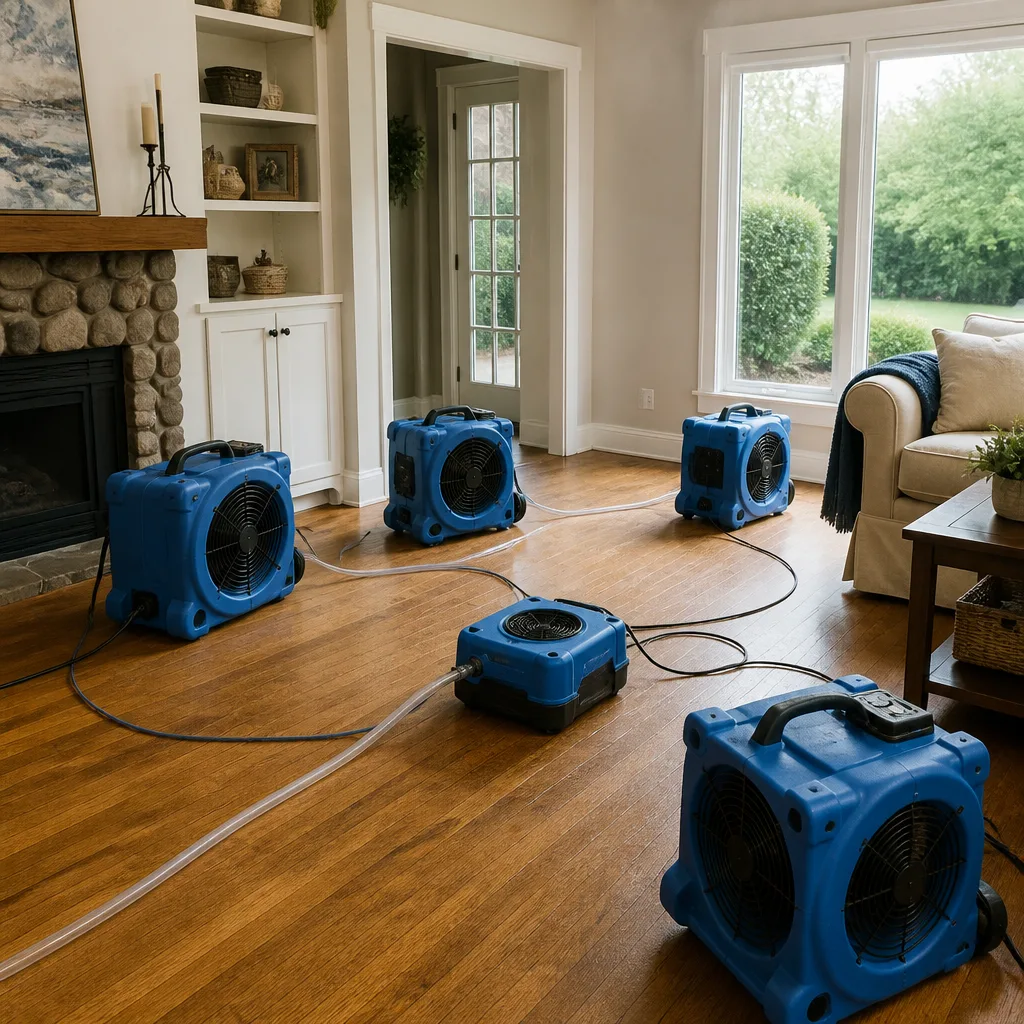 Water damage drying
 Fire & smoke cleanup
 Mold remediation
 Storm response
 Sewage cleanup
 Reconstruction
Free visual inspection and a written scope of work before any mitigation begins - photos, moisture readings, and drying logs go in your claim file
The scope we write is the scope we bill. Anything new gets shown to you, in writing, before we touch it.
Get your free estimateDamage Restoration Cost Breakdown: The Brooklyn Homeowner’s Reference for 2026
The national average for water damage restoration, frequently cited at $3,000 to $7,000, assumes you have modern drywall, accessible wall cavities, and a job site a truck can park next to. In a Brooklyn brownstone with plaster walls, a party wall situation, and alternate-side parking, the same square footage of damage routinely runs 40% to 70% higher before anyone opens a wall. This guide-along with our Damage Restoration Warning Signs: A Brooklyn Homeowner’s Reference Guide-breaks down what restoration actually costs in Brooklyn in 2026, line by line, so you can read an estimate the way an adjuster does. You’ll learn which line items are legitimate, which are padded, and how building age, access, and documentation change the final number.
Restoration work we handle
Quick Answer
Water damage restoration in Brooklyn typically costs between $4,200 and $12,000 for a single-room Category 2 event in 2026, while fire damage restoration ranges from $8,000 to $35,000 depending on smoke penetration and structural involvement. Mold remediation in a pre-war building runs $2,800 to $9,500, driven heavily by asbestos testing requirements and plaster demolition costs. Every one of these ranges assumes a Brooklyn-specific condition: pre-1980 construction, limited street access, and insurance-grade documentation.
Table of Contents
- Why Brooklyn Prices Run 40-70% Higher Than National Averages
- Line-by-Line: A Real Category 2 Water Damage Estimate in Brooklyn
- Fire Damage Restoration Costs: What Smoke Actually Does to a Brownstone
- Mold Remediation Pricing in Brooklyn: The Asbestos Variable Nobody Mentions
- ACV vs. RCV: Why the Gap Matters More in Brooklyn
- Documented Insurance Jobs vs. Cash Jobs: The Dollar Value of a Paper Trail
- Red Flag Pricing Patterns: How to Spot a Padded Estimate
- Common Mistakes to Avoid
- When to Call a Professional
- Frequently Asked Questions
- The Bottom Line
Why Brooklyn Prices Run 40-70% Higher Than National Averages
Published cost averages are nearly useless for Brooklyn homeowners because they blend suburban drywall-and-carpet jobs with the pre-war plaster, asbestos-era materials, and tight brownstone access conditions that define actual Brooklyn restoration costs. When a national publication says water damage costs $3,500, they’re describing a 1990s ranch house in Ohio with a driveway and a two-car garage that doubles as a drying station. That is not the job your Park Slope or Bed-Stuy brownstone presents.
The variables that push Brooklyn restoration costs up are specific and measurable. We’ll walk through each one because they appear as line items on every legitimate estimate.
1. Plaster demolition versus drywall removal
Drywall comes out in clean sheets. Plaster and lath comes out in chunks, produces exponentially more dust, requires different tools, and takes two to three times as long to remove. In a Brooklyn brownstone with original 1920s plaster walls, a single water-damaged wall can generate 600 to 900 pounds of debris. Drywall debris from the same wall footprint might be 150 pounds. Disposal costs alone add $400 to $800 per room in Brooklyn, where carting fees and dumpster permits run higher than almost anywhere else in the country.
2. Asbestos testing and abatement requirements
Any building constructed before 1980 in New York City requires asbestos testing before demolition work begins on walls, ceilings, or flooring. This is not optional. The test itself costs $250 to $600 per material sampled. If asbestos is found, which it often is in brownstone plaster and old vinyl flooring, abatement adds $1,500 to $5,000 to the job and can add three to seven days to the timeline. A contractor who skips this step is violating Damage Restoration Permits, Codes & Inspections in NY: What You Need to Know and putting you at legal risk.
3. Narrow access and parking conditions
A restoration truck carrying Dri-Eaz drying equipment, air movers, and extraction units is not a van. It’s a 20-foot box truck that needs legal parking, which does not exist on most Brooklyn side streets. Contractors factor in alternate-side parking tickets, meter feeding, and the labor cost of a technician who spends 20 minutes circling for a spot. On a five-day drying job, parking logistics alone can add $300 to $700. In Manhattan Beach or Mill Basin with a driveway, this line item disappears. In Williamsburg near the BQE, it’s unavoidable.
4. Party wall complications
In a brownstone or attached row house, a water event on one side of a shared wall means the neighbor’s side is involved. That triggers access agreements, potential claims on two policies, and drying strategies that must account for a wall you don’t own. The cost of documenting, communicating, and sometimes opening a party wall from both sides adds 15% to 25% to the estimate of the same damage in a freestanding home.
Line-by-Line: A Real Category 2 Water Damage Estimate in Brooklyn
Category 2 water, sometimes called gray water, is contaminated water from washing machines, dishwashers, or sump pump failures. It’s the most common residential water damage claim in Brooklyn, and it gives us a clean template for reading an estimate. Here is what a legitimate line-by-line scope should look like for a 12-by-14-foot brownstone kitchen with water damage to the bottom three feet of two walls and the flooring.
A Water Damage Restoration in Brooklyn job of this size should produce an estimate in the $5,800 to $8,200 range in 2026. Let’s break down the lines.
Emergency response and extraction
- After-hours dispatch and truck roll: $150 to $350. A live person answers the phone, a technician is dispatched, and the truck arrives with extraction equipment.
- Water extraction (XPOWER or Phoenix extractor, 2-4 hours): $200 to $450. This is labor plus equipment time. It should include extraction of standing water and initial moisture mapping.
- Moisture mapping and scope of loss documentation: $150 to $300. This is the technician documenting affected areas, taking moisture readings, and photographing everything. It matters for your claim.
Drying and dehumidification
- Dri-Eaz dehumidifier rental (3-5 days): $75 to $150 per day, per unit. A kitchen this size needs one or two units. This line should total $450 to $1,200.
- Air movers (4-6 units, 3-5 days): $25 to $40 per day, per unit. Total: $300 to $900.
- Daily monitoring visits (2-4 visits): $75 to $125 per visit. A technician checks moisture levels, adjusts equipment placement, and documents the drying curve. Three visits is standard: $225 to $375.
Demolition and material removal
- Plaster removal (bottom 3 feet of two walls, roughly 60 square feet): $900 to $1,800. This is the Brooklyn premium you read about earlier. Drywall removal of the same area would be $400 to $700.
- Flooring removal (hardwood or tile, 168 square feet): $600 to $1,400. Hardwood removal costs less than tile but both include disposal.
- Debris carting and disposal: $400 to $800. Dump fees in Brooklyn are real, and someone has to carry the debris to the truck, which may be parked two blocks away.
- Asbestos testing (2-3 samples): $250 to $600. Required for pre-1980 buildings before plaster or flooring is disturbed.
Cleaning and antimicrobial treatment
- Antimicrobial application on affected framing and cavity surfaces: $200 to $500.
- HEPA vacuuming and air filtration (negative air machine, if needed): $300 to $700.
That’s a complete, defensible Category 2 estimate for a Brooklyn kitchen. The total should land between $5,800 and $8,200. Anything under $4,500 should tell you someone is skipping equipment days, skipping testing, or planning to hit you with a change order mid-job. Anything over $10,000 for this scope deserves a line-by-line conversation.
Fire Damage Restoration Costs: What Smoke Actually Does to a Brownstone
Fire damage in Brooklyn is almost never about the flames. It’s about the smoke. In a suburban home with modern construction, smoke travels through the HVAC system and settles on surfaces that can be cleaned or inexpensively replaced. In a pre-war building, smoke travels through every gap: around door frames that haven’t been square in 80 years, through floor cavities, up dumbwaiter shafts, through party walls. The result is that a small kitchen fire in a brownstone produces smoke damage in rooms the fire never touched.
Fire Damage Restoration in Brooklyn generally runs $8,000 to $35,000 for a contained kitchen or bedroom fire with smoke damage to adjacent rooms and the floor above. Here’s how that breaks down.
Structural and surface cleaning
Smoke residue is acidic. Left on plaster or wood, it etches surfaces within days. The cleaning process involves dry sponges, HEPA vacuuming, and chemical sponges on every surface in every affected room. In a brownstone with high ceilings and ornate molding, this is meticulous, slow work. Labor costs for smoke cleaning in Brooklyn range from $700 to $1,200 per affected room, and it’s common for a kitchen fire to produce smoke damage in four to eight rooms. That’s $3,000 to $9,600 before any demolition or replacement.
Ozone and thermal fogging treatment
Ozone treatment and thermal fogging are how restoration crews remove smoke odor from structural cavities and soft materials. This is not a quick spray. It’s a contained, sealed process that runs for 24 to 72 hours and typically costs $500 to $1,200 per affected floor. In a two-story brownstone with basement smoke migration, budget $1,500 to $3,500.
Contents cleaning and pack-out
Smoke damage to contents, the trade term for everything you own, is frequently the largest line item on a fire restoration estimate. Contents are either cleaned on site or packed out to a cleaning facility. A full pack-out of a two-bedroom apartment in Brooklyn, including inventory, cleaning, storage, and return delivery, runs $5,000 to $15,000. This line is also where disputes between policyholders and adjusters get most heated, because the cleaning cost often approaches the replacement cost of lower-value items.
Mold Remediation Pricing in Brooklyn: The Asbestos Variable Nobody Mentions
Mold remediation is where Brooklyn’s housing stock creates the biggest gap between what a national cost guide says and what a real estimate shows. The national average for a small mold job is $2,500. In a Brooklyn brownstone with a bathroom leak that’s been running behind plaster for weeks, the same job runs $2,800 to $9,500, and the single biggest variable is not the mold. It’s the testing.
Here’s what a Mold Remediation in Brooklyn estimate should include in 2026.
Testing and assessment
- Mold inspection and moisture assessment: $250 to $600. This identifies the moisture source and maps the affected area.
- Asbestos testing on plaster, flooring, or insulation before remediation: $250 to $600 per sample. Required for pre-1980 buildings. In a bathroom with plaster walls and old vinyl flooring, plan for 3 to 5 samples: $750 to $3,000.
- Post-remediation clearance testing: $300 to $700. A third-party indoor air quality test to confirm the job is done.
Remediation work
- Containment setup (negative air pressure, plastic barriers): $500 to $1,200. This is a safety line you should never see omitted.
- Mold removal from plaster walls and wood framing: $1,200 to $4,000 per affected room. Plaster removal, HEPA vacuuming, wire brushing of framing, and antimicrobial treatment.
- Drying (Dri-Eaz or Phoenix dehumidifiers, 3-7 days): $300 to $1,000.
In our experience, Brooklyn homeowners are most surprised by two things: the asbestos testing requirement, which is non-negotiable and adds real money, and the fact that mold remediation does not include rebuilding. Remediation ends at a clean, dry, empty space. Putting the wall back is a separate scope, a separate price, and frequently a separate contractor or line item you’ll need to plan for.
ACV vs. RCV: Why the Gap Matters More in Brooklyn
Almost every homeowner’s insurance policy in New York City pays on either an Actual Cash Value (ACV) basis or a Replacement Cost Value (RCV) basis. The difference is depreciation. ACV pays what your damaged property was worth at the moment of loss, which for a 15-year-old boiler or a 10-year-old floor is significantly less than what it costs to replace. RCV pays what it actually costs to replace the item with new material of like kind and quality.
Here’s why the gap matters more in Brooklyn than almost anywhere else: labor and material costs in New York City are 30% to 50% higher than the national averages used by the software programs adjusters rely on. When an adjuster calculates the RCV of a plaster wall in Park Slope using a database that prices drywall in Ohio, the number comes back low. The policyholder is then left with a settlement check that doesn’t cover the actual cost of the work in their borough.
The difference is not a rounding error. On a fire job in a brownstone, the gap between what a national pricing database says and what a Brooklyn contractor actually charges can be $8,000 to $25,000. This is not because anyone is being dishonest. It’s because the databases are built on different construction stock. A homeowner who understands this can push back on an adjuster’s first offer with documentation.
That documentation is where a restoration contractor becomes valuable beyond the physical work. A contractor who documents the job to insurance standards, with moisture logs, daily photo records, and a detailed scope of loss, gives you the evidence you need to support a realistic settlement. The value of that documentation is measured in thousands of dollars on a typical Brooklyn claim.
Documented Insurance Jobs vs. Cash Jobs: The Dollar Value of a Paper Trail
Here’s a question homeowners rarely ask explicitly: what’s the cost difference between a job documented for insurance submission and a cash job where you pay out of pocket and skip the paperwork? The honest answer is that the documented job costs 10% to 20% more in labor and administrative time, and that extra cost is an investment in the settlement you’ll receive.
A documented restoration job includes moisture mapping logs, daily drying records, photos before, during, and after, a detailed scope of loss with line-item pricing, and correspondence formatted to match what your insurance carrier expects. That takes technician time and office time. It adds $500 to $1,500 to a typical water damage job in Brooklyn.
What you get for that money is a claim file an adjuster can approve without a fight. You get evidence that every piece of equipment ran for every day billed. You get proof that the demolition was limited to what was actually damaged. When the adjuster’s first ACV offer comes back low, you have the RCV documentation to negotiate a better settlement. In our experience, a documented job produces a final insurance settlement 15% to 30% higher than an identical job where the homeowner paid cash and tried to submit a claim after the fact with whatever photos they took on their phone.
The cash job looks cheaper on day one. It’s rarely cheaper when the claim is settled. If you’re filing an insurance claim, and you should be on any job over your deductible, the documentation is not an optional upgrade. It’s the mechanism that ensures you get paid what the policy owes you.
Red Flag Pricing Patterns: How to Spot a Padded Estimate
Most Brooklyn homeowners will get two or three estimates on a restoration job. Reading them side by side, the differences can look like a foreign language. Here are the patterns to look for, and what each one tells you.
1. Suspiciously low equipment, suspiciously high labor
If an estimate shows $400 per day for labor but only two air movers and one dehumidifier for a three-room water loss, something is off. Under-equipped jobs take longer to dry, which means more labor days. That’s how a contractor gets to a higher total without any line item looking outrageous. A legitimate estimate for three affected rooms should show 6 to 10 air movers and 2 to 3 Dri-Eaz or Phoenix dehumidifiers running concurrently.
2. No line items at all; one lump sum
A one-line estimate that says “water damage restoration: $8,500” is not an estimate. It’s an opening position in a negotiation you didn’t agree to. The Garrison Standard, which governs every Keegan Restoration Brooklyn home job, requires a written scope of loss with line-item pricing before work starts. If a contractor won’t give you that, they’re planning to move the price at the door.
3. Demo before testing
Any estimate on a pre-1980 Brooklyn building that includes demolition but no asbestos testing line is either cutting a corner or planning a change order. You’ll get the testing fee added after the wall is open and the crew has “discovered” something. Ask the question before the wall comes down.
4. Drying days that don’t match the equipment
If an estimate bills for six drying days but shows only a dehumidifier and two air movers, the drying curve won’t support six days. Either the equipment is inadequate, which means the job takes longer and costs more in the end, or the days are billed without equipment to match. Both are problems.
5. No documentation line
If you’re filing an insurance claim and the estimate includes no line for documentation, photo records, or moisture logs, you’re buying a cash job at insurance prices. The contractor is charging you like they’re supporting your claim while planning to do none of the administrative work that phrase implies.
Common Mistakes to Avoid
- Calling the cheapest bidder at 3 a.m. without checking anything else. A restoration contractor who can be at your door in 90 minutes at 3 a.m. is valuable. One with no written scope, no equipment list, and no reference to IICRC standards is a risk. Speed matters, but a written price before work starts matters more.
- Starting demolition before documenting the damage. Once walls come down, evidence disappears. Your insurance carrier needs photos of the damage before and during every phase. A contractor who starts swinging a hammer before the documentation is complete is costing you money on the claim.
- Assuming your brownstone has no asbestos because someone renovated in 2005. Renovations rarely remove all asbestos-era materials. Pre-1980 buildings require testing before demolition, full stop. A 2005 kitchen renovation did not replace the plaster in your bathroom walls.
- Accepting an ACV settlement without asking for the RCV calculation. Your policy language determines what you’re owed. If you have RCV coverage and the adjuster issues an ACV number, the difference is depreciation you’re entitled to recover once the work is done. Don’t leave it on the table.
- Hiring a restoration contractor who doesn’t offer a written guarantee. The 365-Day Done Right Promise at Keegan Restoration Brooklyn exists because work that fails isn’t done. Any contractor who won’t put a guarantee in writing is telling you something about how they expect the job to hold up.
- Paying the full amount before the job is complete and the drying is verified. Legitimate restoration contractors bill in phases tied to milestones. A contractor who demands full payment up front is not running a business model that survives contact with your insurance adjuster.
When to Call a Professional
Some damage situations call for a professional before you touch anything. Call immediately if you have standing water that has been present for more than 24 hours and is beginning to smell. Call if water has reached electrical outlets or wiring, if you smell gas, or if the water source is a sewage backup or toilet overflow, which is Category 3 and requires containment and full PPE. Call if you see mold growth larger than 10 square feet, or if anyone in the home has respiratory conditions that could be aggravated by disturbed mold. Call if there has been a fire, even a small one, because smoke damage that looks minor becomes permanent within days if not treated. Keegan Restoration Brooklyn offers free estimates in Brooklyn, and a live person answers at (607) 325-7185, 24 hours a day, seven days a week.
Frequently Asked Questions
Water damage restoration in Brooklyn NY typically costs between $4,200 and $12,000 for a single-room Category 2 event, with the final number driven by building age, access conditions, and the extent of plaster demolition required. Pre-war buildings with asbestos-containing materials run 40% to 70% higher than national averages. Call (607) 325-7185 for a free estimate on your specific situation.
Homeowners insurance covers water damage that is sudden and accidental, like a burst pipe or a failed appliance hose, but does not cover gradual leaks, seepage, or flood damage from exterior water. In Brooklyn, the distinction between sudden and gradual is the single most common point of dispute, and it’s why documentation of the damage’s origin matters as much as the restoration itself.
Mitigation is the emergency work: extracting water, running drying equipment, and preventing further damage. Restoration is rebuild work: putting walls, flooring, and finishes back. In Brooklyn, mitigation on a Category 2 loss runs $2,500 to $6,000, and restoration of the same room typically adds $6,000 to $15,000.
A Category 2 water loss in a Brooklyn brownstone with plaster walls typically takes 3 to 5 days to dry out and 2 to 6 weeks to rebuild, with asbestos testing and abatement adding up to a week. The drying phase depends on the equipment and the wall material; plaster dries slower than drywall and requires more monitoring.
In most cases you can stay in the home during mold remediation if the affected area is properly contained with negative air pressure, but in Brooklyn row houses with shared walls, containment is more complex. Anyone with respiratory conditions, infants, elderly residents, or compromised immune systems should consider temporary relocation during active remediation. Your contractor should discuss this before containment begins.
National averages are built on modern construction with accessible wall cavities, a driveway for equipment, and no asbestos testing requirements. A Brooklyn brownstone with plaster walls, a party wall, and alternate-side parking adds labor, testing, disposal, and logistics costs that national databases don’t price. The estimate you have is almost certainly correct for your building type; the national average is the outlier.
The Bottom Line
Brooklyn restoration costs are higher than national averages because Brooklyn’s housing stock is older, denser, and subject to regulations that don’t apply elsewhere. A homeowner who understands those differences can read an estimate like an adjuster, spot padding before it becomes a change order, and negotiate a better settlement. The two most important numbers in this guide are not the cost ranges. They are the 40% to 70% Brooklyn premium and the 15% to 30% settlement improvement that documentation produces. Get the price in writing before work starts, make sure testing is on the estimate before demolition, and choose a contractor who stands behind the work with a written guarantee. For more guides & resources on navigating Brooklyn restoration, see our blog. In Brooklyn, restoration work governed by a written standard is the exception that costs no more than the alternative.
Written by Shane Pruitt, Owner at Keegan Restoration Brooklyn, serving Brooklyn since 2005.
See the difference
 Before
 After
After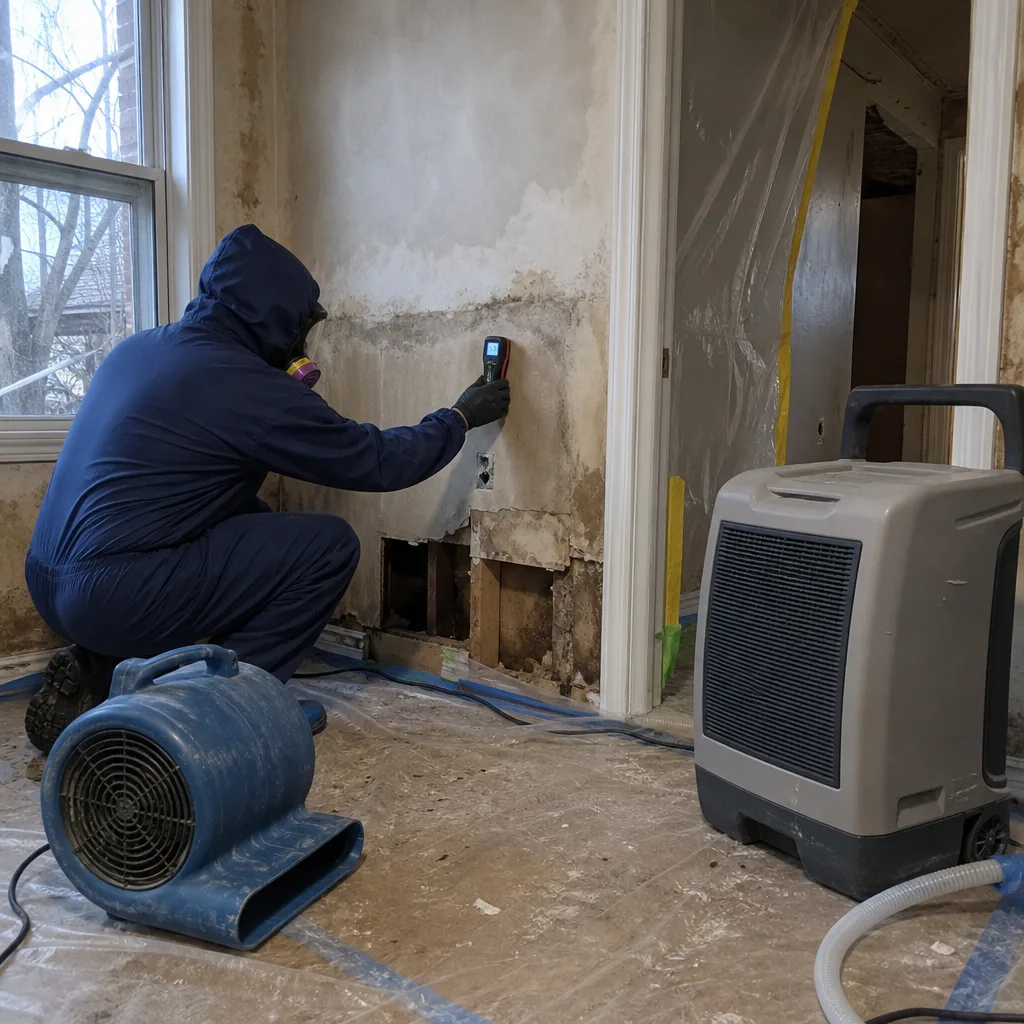 Before
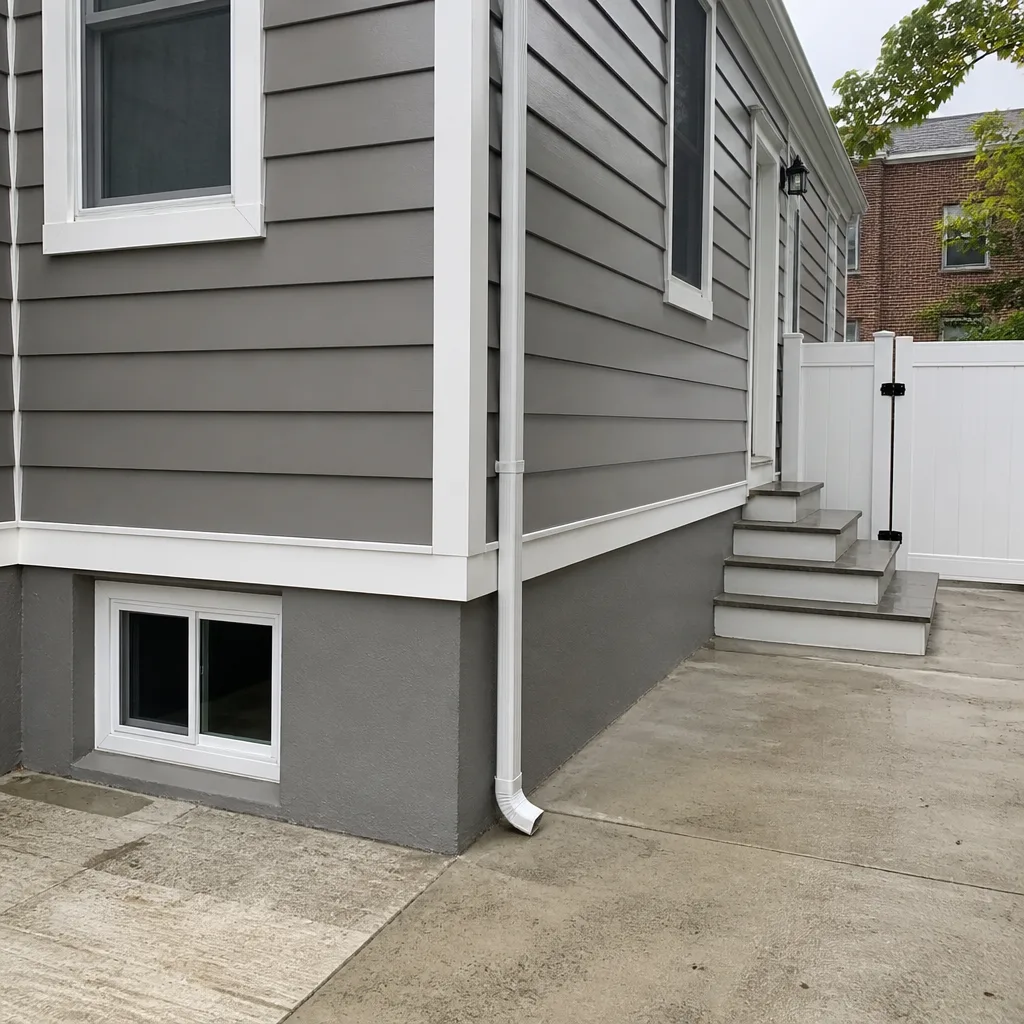 After
After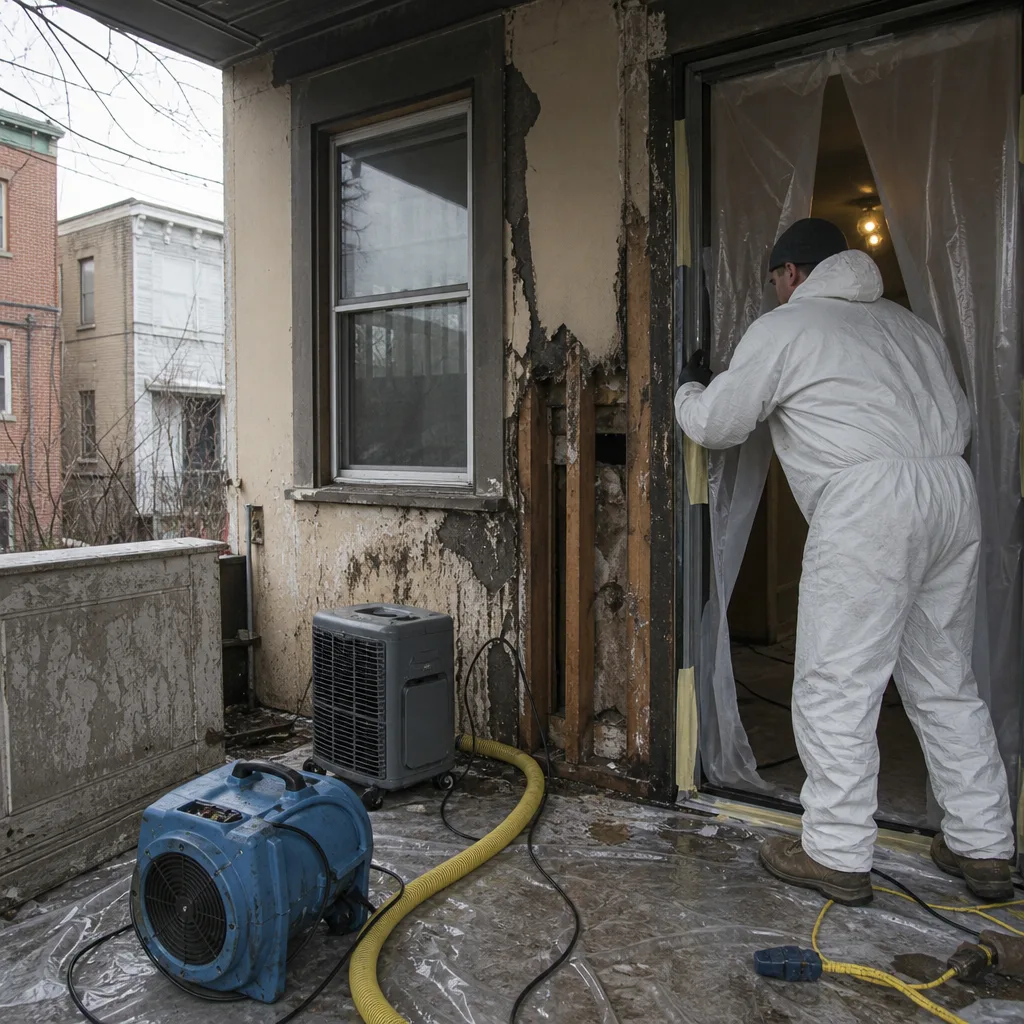 Before
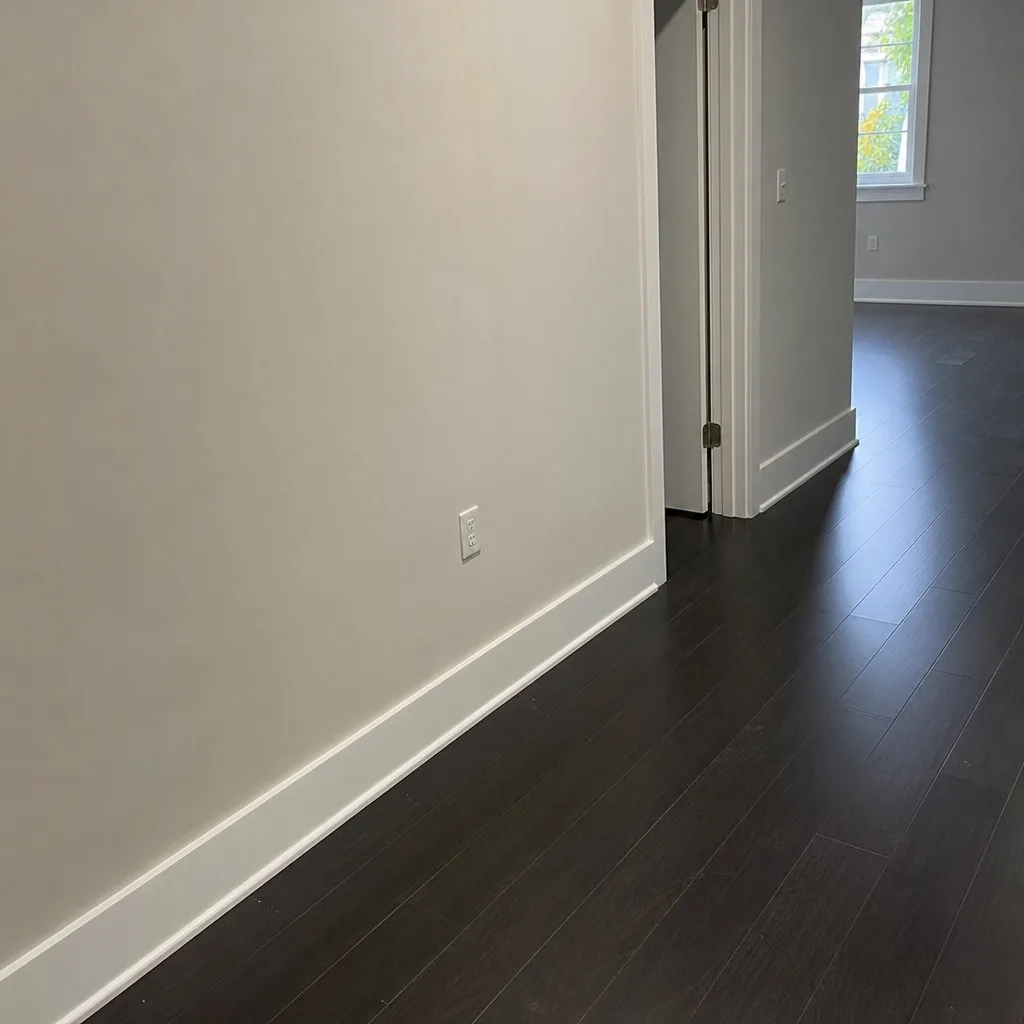 After
After