
Last updated October 16, 2026
 Water damage drying
 Fire & smoke cleanup
 Mold remediation
 Storm response
 Sewage cleanup
 Reconstruction
Free visual inspection and a written scope of work before any mitigation begins - photos, moisture readings, and drying logs go in your claim file
The scope we write is the scope we bill. Anything new gets shown to you, in writing, before we touch it.
Get your free estimateWater Damage Restoration Maintenance Checklist for Brooklyn Homeowners
Ask any restoration contractor what causes the most water damage in Brooklyn and you’ll get an answer that surprises most homeowners: it isn’t the big storms and it isn’t a pipe bursting in the middle of the night. It’s the slow, quiet failures behind walls, under flat roofs, and inside shared drainage systems that nobody inspected for years. This guide covers the maintenance and inspection routine that catches those failures before they turn into a Water Damage Restoration services job, written specifically for the housing stock and infrastructure of Brooklyn.
Quick Answer
A working water damage prevention checklist for Brooklyn homeowners includes seasonal inspections of flat roofs and parapet walls, testing sump pumps and areaway drains before heavy rain, documenting the condition of party walls and shared drainage stacks, and keeping a current photo record of your property for insurance claims. Most of these steps take under an hour per season and catch the small problems that become five-figure restoration jobs when ignored. For deeper background, see our Damage Restoration Cost Breakdown: The Brooklyn Homeowner’s Reference for 2026.
Restoration work we handle
Table of Contents
- Party Walls and Shared Drainage: What Actually Leaks in Brooklyn
- Flat Roof and Parapet Wall Maintenance Schedule
- Basement and Garden-Level Apartment Checks
- Documenting Your Building Before a Loss
- Seasonal Checklist by Quarter
- Who Owns Which Problem: Plumber, Roofer, or Restoration Pro
- Common Mistakes to Avoid
- When to Call a Professional
Party Walls and Shared Drainage: What Actually Leaks in Brooklyn
The most common source of water damage in Brooklyn row houses isn’t a burst pipe or a storm. It’s the neighbor’s plumber. Attached homes share walls, drainage stacks, and sometimes roof drains. When the building next door has a failing pipe inside a shared wall, the water doesn’t respect the property line. It moves through masonry, follows joist pockets, and shows up on your ceiling three weeks later. We’ve walked into brownstones in Park Slope and Bed-Stuy where the source of a dining room water stain was a shower pan failure two floors up in the adjacent building.
This is why a Brooklyn water damage prevention checklist has to start with the shared infrastructure most generic maintenance guides never mention:
- Inspect the exposed party wall in your basement and top floor twice a year. Look for efflorescence (white mineral deposits), dark staining, or bubbling paint. These are signs of moisture migrating through from the other side.
- Listen for water running inside walls when no one in your building is using water. A steady trickle behind a party wall often means a neighbor’s supply line or drain has failed. Document the date and time you hear it.
- Check the shared drainage stack if your building has one. Many Brooklyn row houses built before 1920 share a main waste stack with the adjacent building. If you have a shared stack, look for signs of leakage where the stack passes through your floors.
- Note any fresh patching or new drywall on the neighbor’s side of the party wall. It can indicate they already had a leak repaired. Ask them about it directly. The earlier you know, the better positioned you are if the same failure reaches your side.
- After any heavy rain, check the ceiling corners where your building meets the one next door. This junction point is where parapet wall flashing failures and roof drain issues in either building first show up indoors.
Party wall water intrusion is its own category of restoration. It often involves multiple property owners, insurance adjusters from two different policies, and a scope of loss that spans walls you don’t own. When we handle these jobs, the Water Damage Restoration in Brooklyn process starts with identifying the source before any drying starts, because drying a space that’s still being fed by an active leak in the neighbor’s building is wasted time and money.
Flat Roof and Parapet Wall Maintenance Schedule
Brooklyn’s housing stock is dominated by flat and low-slope roofs, and they behave nothing like the pitched shingle roofs of the suburbs. Water sits on a flat roof by design. The system works only if the membrane is intact, the drains are clear, and the parapet walls that wrap the roof edge are properly flashed and sealed. When any one of those fails, water finds its way down through the building, often traveling far from the actual breach before it appears on a ceiling.
Here is the inspection routine we recommend to every homeowner in Brooklyn before and after the rainy season:
- Walk the roof (if you can do so safely) or have it walked twice a year. Look for standing water that remains 48 hours after rain. Ponding water is the number one sign a flat roof has a drainage problem or a low spot in the deck.
- Clear all roof drains and scuppers of leaves, plastic bags, and debris. One clogged drain can hold hundreds of gallons of water on a roof that was never designed to carry that weight.
- Inspect the parapet walls for cracks, loose coping stones, and failed sealant joints. Parapet walls are the single most common entry point for water on Brooklyn row houses. Water gets behind the brick, freezes, and the brick face starts to spall.
- Check interior walls directly below the roofline for staining after every heavy rain. Water that enters at the parapet often runs down the inside of the exterior wall and shows up as bubbling paint or a soft spot on a top-floor wall.
- Look at the roof membrane for blisters, cracks, or exposed seams. On modified bitumen and EPDM roofs, seam failure is the usual culprit. Small repairs now prevent full membrane replacement later.
The flat roof is also where Keegan Restoration Brooklyn home service calls often start. A homeowner calls about a ceiling stain, and the roof is where the trail leads. Understanding your roof system, where the drains are, what condition the flashing is in, and what the membrane looks like makes you a smarter consumer when you do need a contractor.
Basement and Garden-Level Apartment Checks
Garden-level and basement apartments are common throughout Brooklyn, from brownstone parlor floors converted to rentals in Clinton Hill to full basement layouts in the standalone houses of Marine Park and Midwood. These below-grade spaces have their own set of water entry points that generic checklists rarely address: window wells, areaway grates, and the condition of the sewer line that runs under the front yard.
The checks that matter most for below-grade living spaces in Brooklyn:
- Test your sump pump every quarter, not just before storms. Pour a five-gallon bucket of water into the sump pit and confirm the pump activates and the float switch cuts off properly. If the pump is more than seven years old, budget for a replacement. A failed sump pump during a nor’easter is the most preventable restoration job we see in Brooklyn basements.
- Clear window well drains and areaway grates monthly during leaf season. A window well with a clogged drain fills like a fish tank during heavy rain. The water pressure eventually pushes through the window frame or the foundation joint.
- Check the slope of soil around the foundation perimeter. Soil should slope away from the building at roughly six inches of fall over ten feet. After years of settlement, many Brooklyn yards now slope toward the foundation, funneling rainwater right down the wall.
- Inspect the areaway steps and the drain at the bottom of the stairwell. Leaf litter, plastic bags, and dirt accumulate in these drains quickly. A submerged areaway drain means water rises against the basement door or window with nowhere to go but in.
- Know where your main sewer cleanout is and check it annually. A sewer backup is one of the worst kinds of water damage in a basement because the water is contaminated. If you have recurring backups, have the line camera-scoped. The cost of scoping is a fraction of what a major backup restoration costs.
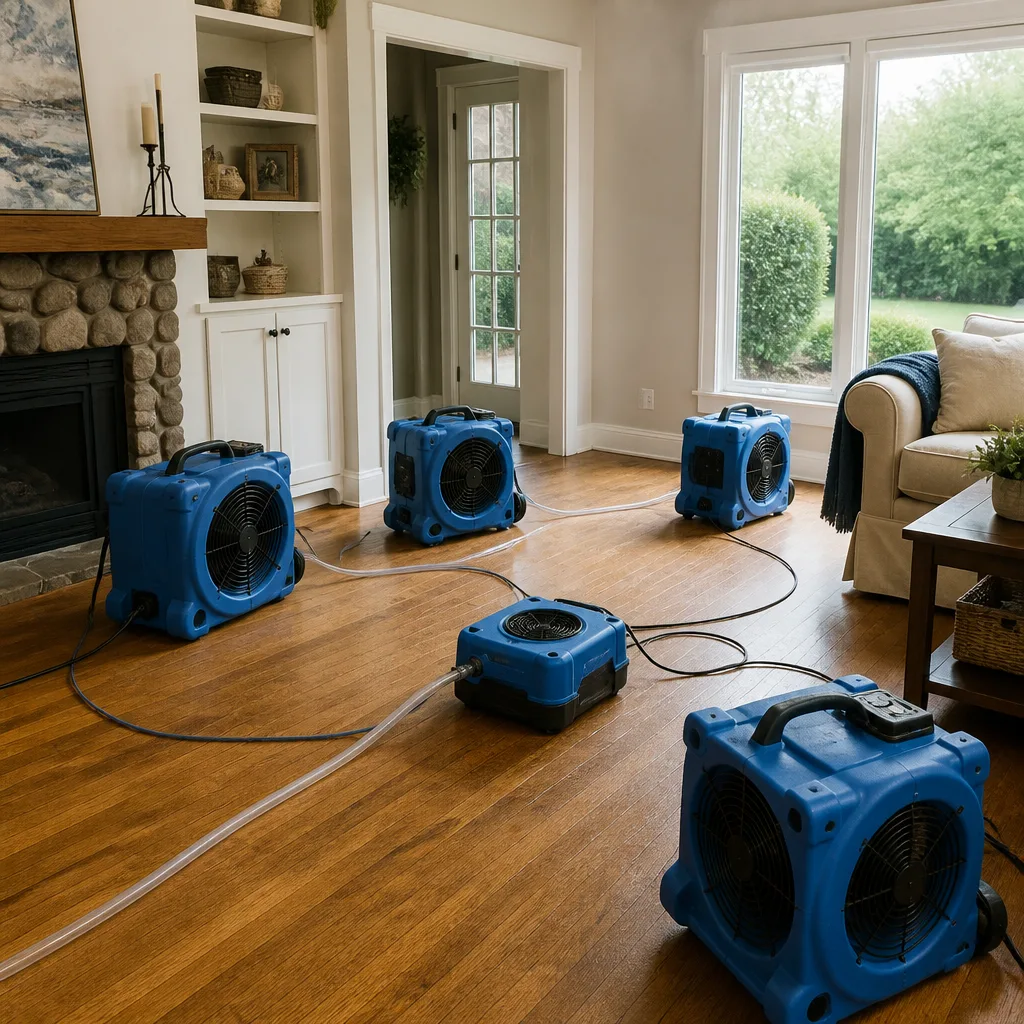
We run our restoration drying equipment, including Phoenix and XPOWER air movers and dehumidifiers, in Brooklyn basements more than any other room in the house. Below-grade spaces dry slowly because concrete holds moisture and air circulation is limited. That’s why catch-up maintenance on drains and sump systems is so critical. The basement is the hardest room to dry once water gets in.
Documenting Your Building Before a Loss
Every insurance adjuster will tell you the same thing: the homeowner who has pre-loss documentation gets a faster, fairer settlement. The homeowner who has nothing gets into a disagreement about what the room looked like before the water. This is a step you can take this weekend, and it costs nothing.
What actually matters for a Brooklyn water damage claim:
- Photograph every room from multiple angles, including ceilings and inside closets. Use your phone. Date and location are automatically embedded in the metadata. Do this once a year, and do it again after any renovation.
- Photograph the exterior from all four sides, including the roof, parapet walls, and any areas where your building touches the neighbor’s. These photos establish the pre-loss condition of the roof membrane and the party wall junction.
- Photograph your mechanical systems: water heater, boiler, electrical panel, and any visible plumbing. Include the manufacturer’s data plate if you can read it. This establishes age and condition before a loss.
- Keep a simple spreadsheet of major purchases: appliances, flooring, furniture. Receipts are ideal, but a photo of the item with the purchase date in the file name works too. This is what proves replacement cost value versus actual cash value.
- Store everything in a cloud folder, not just on your phone. Phones are lost, dropped, and stolen. The cloud copy is the one that matters when the adjuster asks for it.
- Walk the flat roof after the last freeze. Look for new cracks the freeze-thaw cycle opened in the parapet and membrane.
- Clear roof drains and areaway grates of the winter’s accumulated debris.
- Test the sump pump now, before the spring rains become the summer thunderstorms.
- Check the basement walls for new efflorescence. Winter moisture often shows up on masonry as the weather warms.
- Inspect party wall ceilings on the top floor for any new staining that appeared over the winter.
- Summer thunderstorms in Brooklyn are short but intense. After each storm, walk the perimeter and check that downspouts and areaway drains are flowing freely.
- Inspect window wells in garden-level units. Summer debris from street trees clogs drains fast.
- If you have a roof deck or bulkhead, check the flashing and the sealant around any penetrations. Summer is the most common season for roof deck work, and that work often disturbs the membrane.
- Review your pre-loss photo documentation and update anything that’s changed since last year.
- Have your main sewer line scoped if you’ve had any slow drains or backups in the past year. Summer is the best time to do this before the fall leaf load hits the sewer system.
- Clear roof drains and gutters of falling leaves. Do this twice: once in October and again in November.
- Clear areaway drains and window wells of leaf litter. A single clogged maple leaf cluster can turn a basement areaway into a swimming pool during a November nor’easter.
- Check the parapet walls on the top floor, inside and out, for any signs of moisture after the first heavy rains.
- Test the sump pump again. Verify the discharge pipe is clear and the pump cycles properly.
- Make sure any exterior stairwells and areaways have working drainage at the bottom.
- After any significant snowfall, check the roof drains for ice blockage. An ice dam on a flat roof can hold meltwater until it finds a seam to leak through.
- Check for ice in downspouts and areaway drains. Frozen drain lines send meltwater into the foundation instead of the sewer.
- Inspect the interior of exterior-facing walls and party wall ceilings for any new staining. These stains often appear during the winter as melting snow sits on the roof and behind parapet walls.
- Know where your water main shutoff is and make sure every adult in the house knows too. A burst pipe in February is a race against the clock, and the person who knows where the shutoff is wins.
- If you leave town for an extended stretch in the winter, shut off the water or have someone check the house every few days. Frozen pipes in vacant Brooklyn homes are a restoration job waiting to happen.
- Plumber: You call a plumber when there’s an active leak from a supply line, a drain line, a water heater, a toilet, or any plumbing fixture. The plumber stops the leak. The plumber does not dry your walls or replace your flooring.
- Roofer: You call a roofer when the water is coming from the roof, the parapet wall flashing, or a roof drain. The roofer fixes the roof. The roofer does not deal with the soaked insulation or the wet drywall below the roof.
- Restoration professional: You call a restoration company when there is standing water, soaked building materials, or a moisture event that requires extraction, structural drying, and repair. In Brooklyn, this often means the restoration company arrives while the plumber or roofer is still on site.
- Public adjuster or attorney: You call a public adjuster when your insurance claim becomes contentious. Keegan documents every job with insurance support in mind from the first day, but if the claim itself is in dispute, a public adjuster is the right call.
- Ignoring small stains on a ceiling or wall. A brown stain the size of a dinner plate is a record of a leak that is still happening or that happened recently. By the time the stain darkens or the paint bubbles, the damage behind that surface is already bigger than you think.
- Waiting for the landlord or the neighbor to act. In Brooklyn’s attached housing, waiting for someone else to fix their side of the party wall can mean the damage reaches your side while you’re still waiting. Document what you see, communicate in writing, and act on your own property.
- Using a shop vac and a fan and calling it dry. Water wicks up drywall and into subfloor cavities. Surface drying is not structural drying. The moisture trapped behind baseboards and under flooring is where the mold grows later.
- Not documenting damage before you start cleaning. Your insurance company needs to see the wet materials before they’re thrown out. Take photos of the water level, the affected walls, the damaged contents, and the floor condition before you move anything.
- Filing a claim for damage below your deductible. Know your policy’s water damage deductible. A small job might be cheaper out of pocket than the premium increase that comes with a claim. A restoration company that puts the price in writing lets you make that call with real numbers.
- Assuming a finished basement doesn’t need a sump pump because it’s never flooded before. Brooklyn’s stormwater infrastructure is aging, and the intensity of rain events has increased. A basement that has never flooded has simply not met the right storm yet.
- Patching over water-damaged drywall without addressing the source. The stain comes back. The mold behind the patch grows. And the restoration job is now bigger because the moisture had more time to spread.
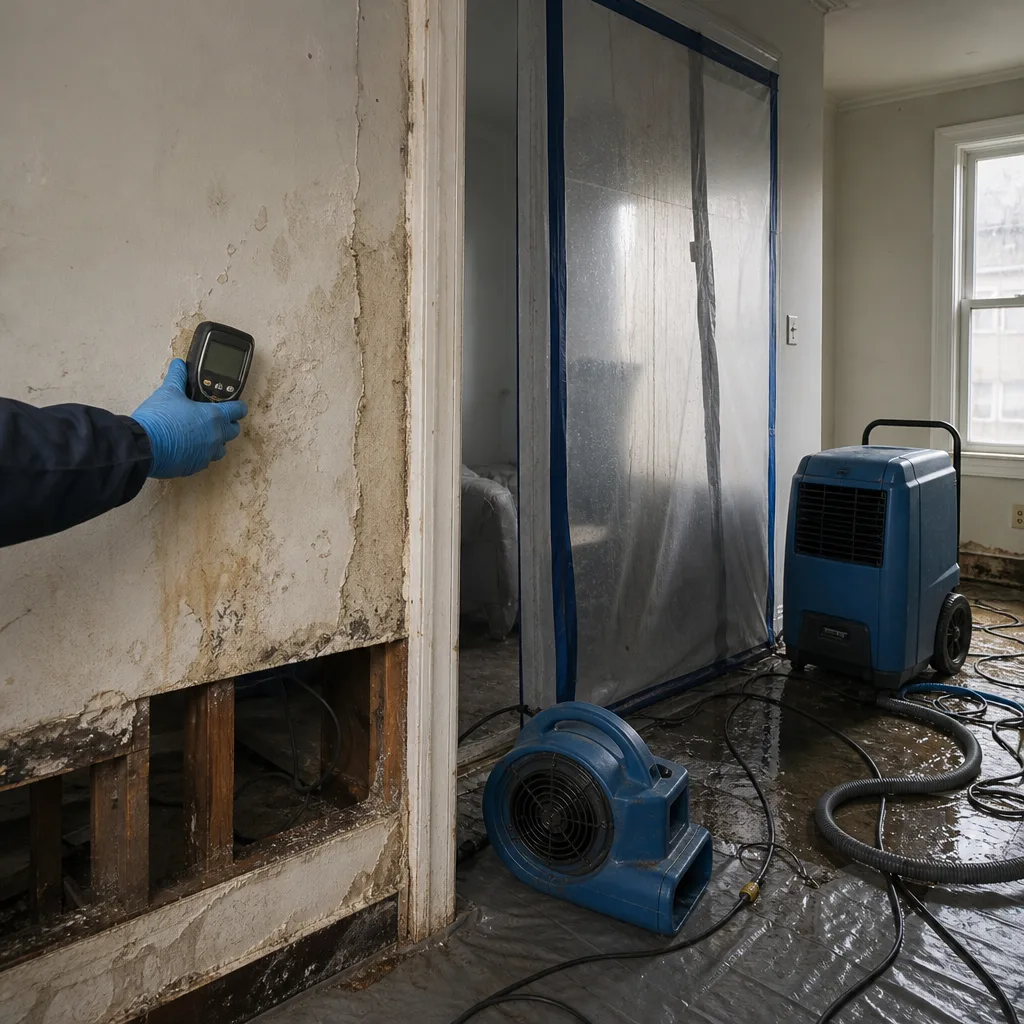
When Keegan handles a restoration in Brooklyn, we document every step of the process ourselves. Moisture readings, drying logs, photo records of the affected materials before removal, and the equipment placement plan all go into a package formatted to support your insurance claim. Your pre-loss documentation is the missing piece that makes that package complete. The two together, your before photos and our during photos, is what gets claims approved without weeks of back-and-forth.
Seasonal Checklist by Quarter
Here is the full Brooklyn water damage prevention checklist, organized by season. Each season has a different failure mode in this city, and the tasks match the risk.
Spring (March to May)
Summer (June to August)
Fall (September to November)
Winter (December to February)
This seasonal rhythm is the core of the checklist. Print it. Put it on the fridge. The homeowners we see in Brooklyn who follow something like this are the ones who call us for a small repair quote instead of a full restoration. For a comprehensive overview, read The Complete Guide to Damage Restoration in Brooklyn.
Who Owns Which Problem: Plumber, Roofer, or Restoration Pro
One of the most confusing parts of water damage for a Brooklyn homeowner is knowing who to call first. The rule is simple but most people don’t know it: the trade that owns the source of the water fixes the source. The restoration company owns the cleanup, drying, and repair of the damage the water caused. Sometimes those are the same visit. Often they’re not.
Here’s the breakdown:
The overlap matters. When a Fire Damage Restoration in Brooklyn call involves water from firefighting efforts, the restoration company handles both the water and the fire damage under one scope of loss. In a water-only event, the order is: stop the source, extract the water, start drying. If you can’t identify the source, call the restoration company first. We trace the water to its origin before we tear anything out, and we’ll tell you if the source requires a plumber or roofer before drying makes sense.
Common Mistakes to Avoid
When to Call a Professional
Call a restoration professional in Brooklyn when the water is more than a mop-and-bucket situation: standing water in a finished space, water that has gone through a ceiling into a room below, water that touched electrical outlets or the panel, water that has soaked into drywall or flooring, or any water that came from a sewer line. Also call one when you suspect mold after a leak, when a flat roof leak has soaked insulation, or when you need a documented scope of loss for an insurance claim. Keegan Restoration Brooklyn offers free estimates in Brooklyn – call (607) 325-7185. We’ll tell you what’s salvageable, what’s not, and what the written scope will look like before any work begins.
See the difference
 Before
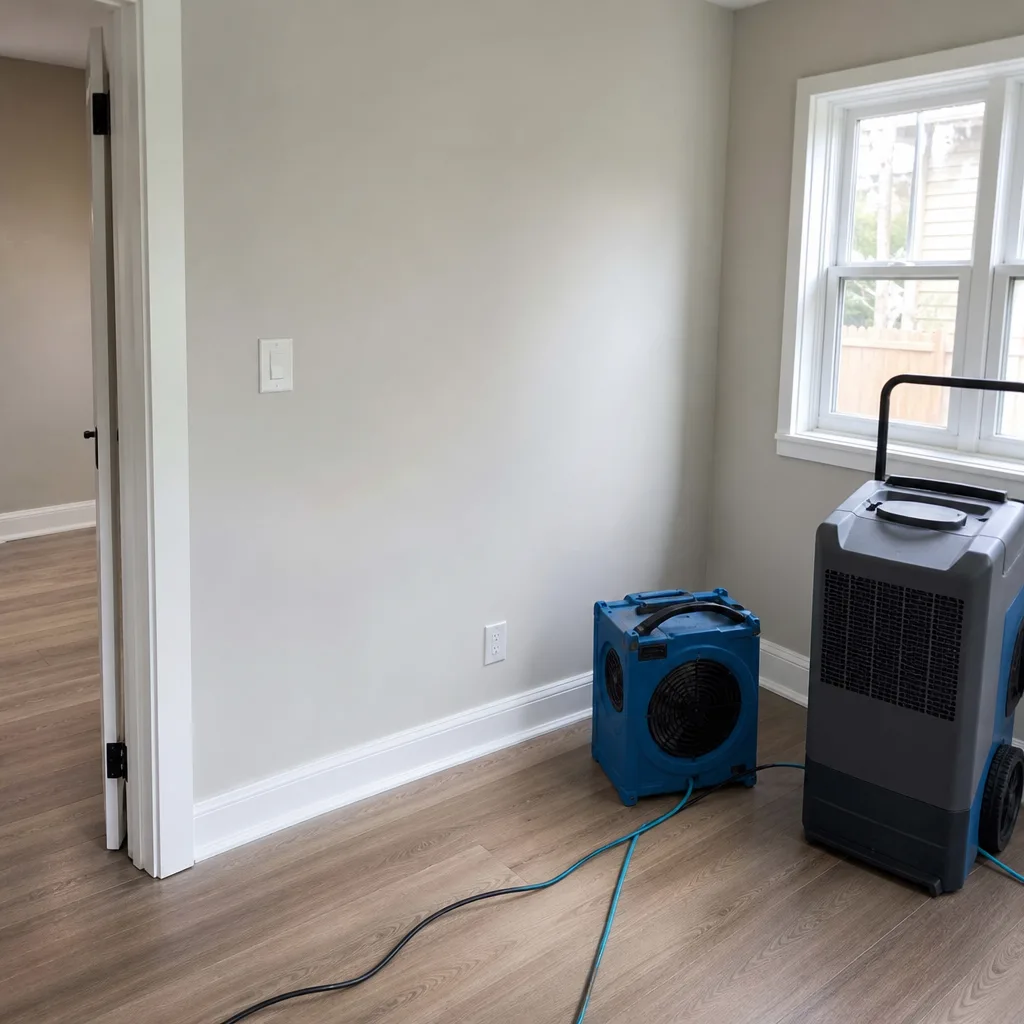 After
After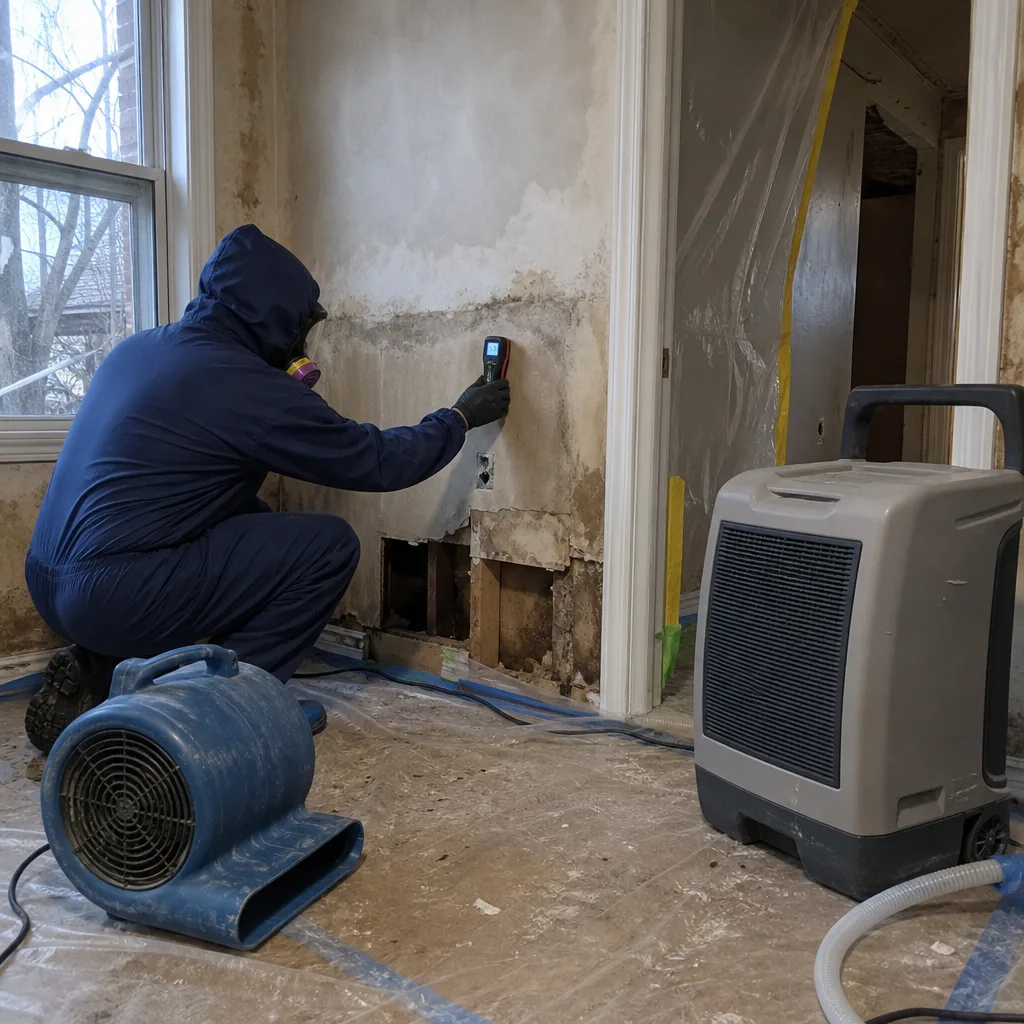 Before
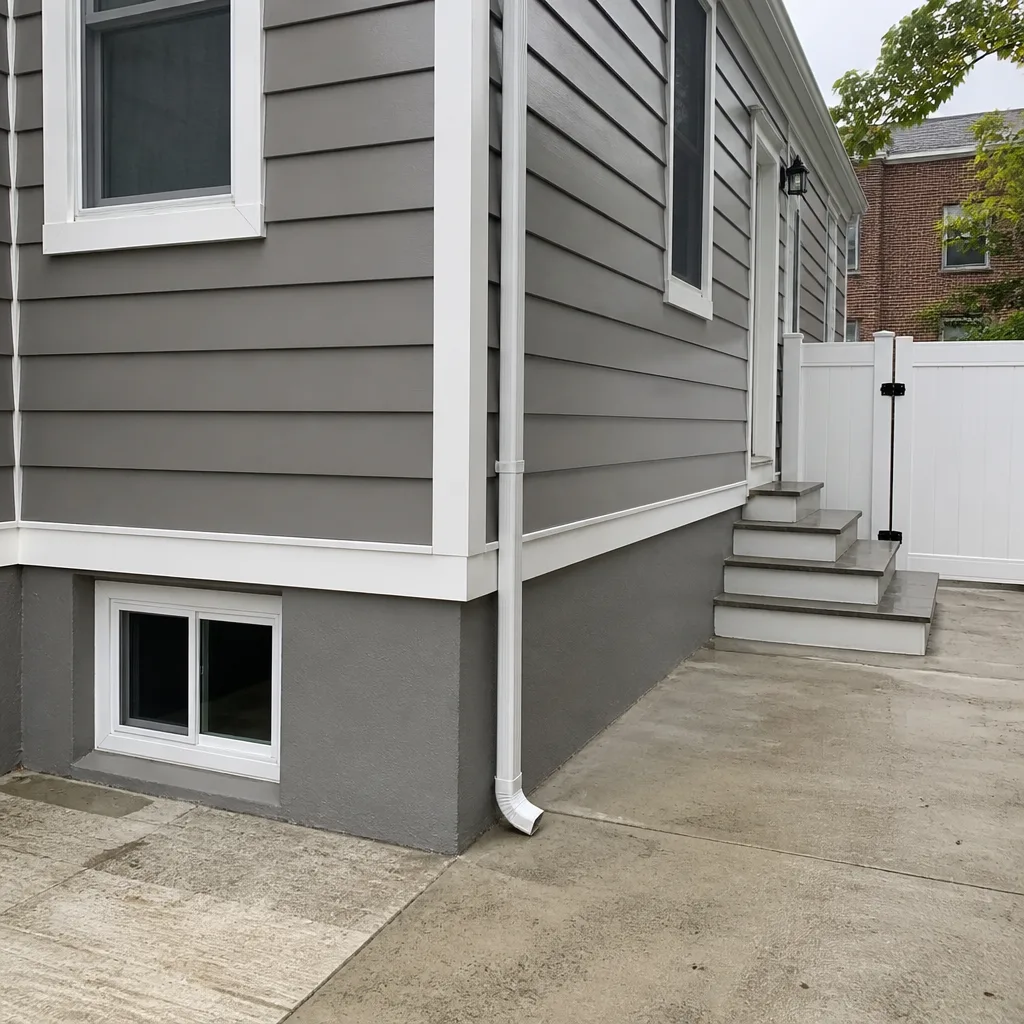 After
After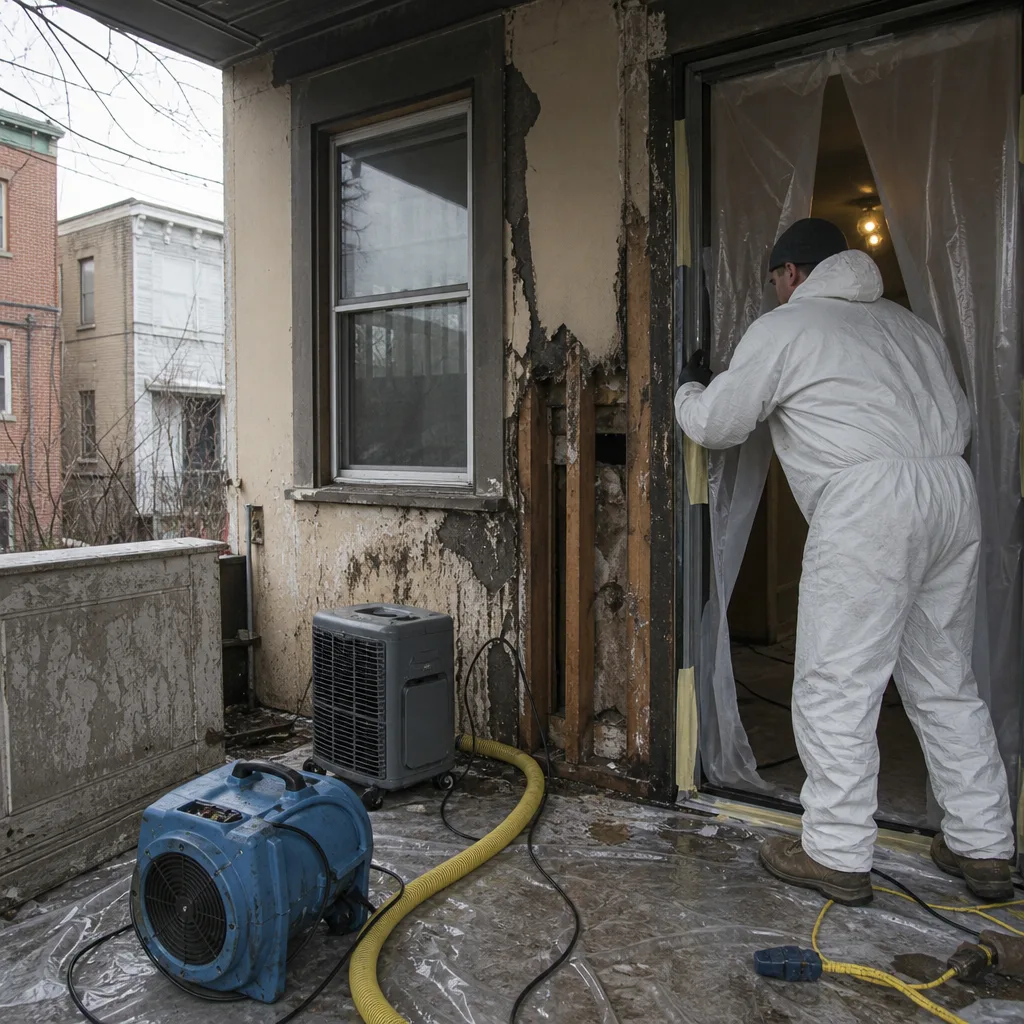 Before
 After
AfterFrequently Asked Questions
The most common source is not a burst pipe; it’s slow leaks from flat roof failures, parapet wall flashing, and shared party wall drainage issues that go unnoticed for months. These leaks are common in Brooklyn because of the city’s attached housing stock and flat roof construction.
Inspect your flat roof twice a year, in spring after the freeze-thaw cycle and in fall before the rainy season. Also check it after any storm that drops more than an inch of rain quickly, which is common in Brooklyn summer thunderstorms.
You can stop a small leak from an accessible supply line and mop up minor surface water. If the water has soaked into drywall, flooring, or insulation, or if it came from a sewer drain, call a professional. Hidden moisture breeds mold, and Brooklyn’s humid summers accelerate the growth.
Most standard policies cover sudden and accidental water damage from a roof leak, but they do not cover damage caused by long-term neglect or lack of maintenance. This is why your maintenance log and dated inspection photos matter so much when an adjuster in Brooklyn reviews the claim.
Photograph the water level, the wet walls and floors, the affected contents, the source of the water if visible, and any outside areas like the roof or areaway that contributed. Also photograph the date-stamped condition of anything you’re about to throw away.
Keegan answers calls with a live person 24 hours a day, seven days a week, and we dispatch background-checked, uniformed technicians from the Garrison Partners family. Call (607) 325-7185 and we’ll give you a straight answer about response time for your neighborhood.
The Bottom Line
A water damage maintenance checklist for Brooklyn looks different from the generic lists because Brooklyn’s housing looks different. Flat roofs, parapet walls, party walls, shared drainage stacks, garden-level apartments, and hundred-year-old sewer laterals are not edge cases here; they’re the norm. The checklist that matters is the one you actually follow: seasonal roof checks, quarterly sump tests, pre-loss photo documentation, and quick action when a stain appears. Maintenance is cheaper than restoration, and a documented, disciplined response to a leak protects both your home and your insurance claim. Browse our more guides & resources for year-round home protection tips.
Written by Shane Pruitt, Owner at Keegan Restoration Brooklyn, serving Brooklyn since 2005.