
Last updated October 16, 2026
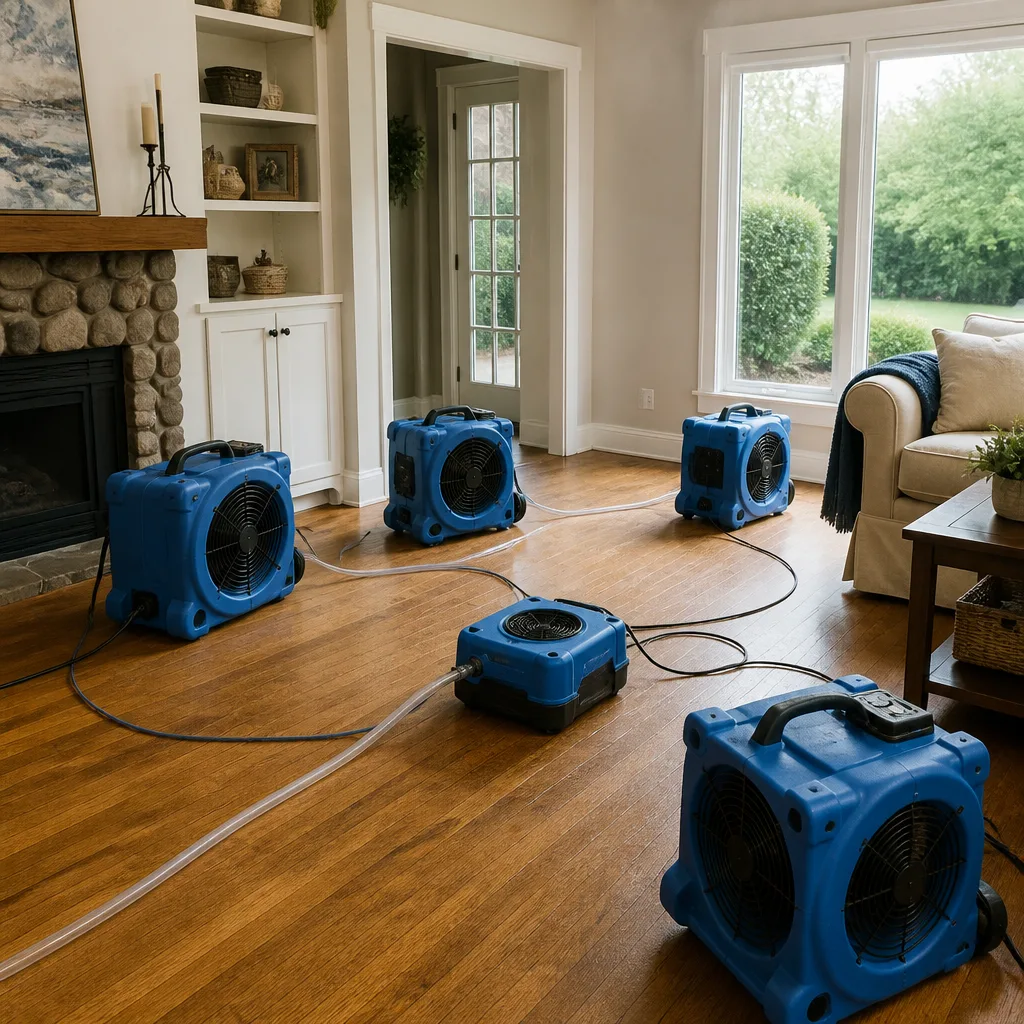 Water damage drying
 Fire & smoke cleanup
 Mold remediation
 Storm response
 Sewage cleanup
 Reconstruction
Free visual inspection and a written scope of work before any mitigation begins - photos, moisture readings, and drying logs go in your claim file
The scope we write is the scope we bill. Anything new gets shown to you, in writing, before we touch it.
Get your free estimateThe Complete Guide to Damage Restoration in Brooklyn
More than 60% of Brooklyn’s residential buildings were built before 1960, and that single fact changes nearly everything about how water, fire, and mold damage gets restored here. A house in Sheepshead Bay framed with gypsum board and fiberglass dries differently than an 1890s brownstone in Bed-Stuy with plaster-over-brick walls and three layers of oil-based paint. This guide walks through the actual restoration process as it plays out in Brooklyn: the building types, the hidden costs, the insurance realities, the contractor pitfalls, and the line-item details nobody explains until you’re already holding a signed work order. For damage restoration warning signs every Brooklyn homeowner should know, see our companion guide.
Quick Answer
Damage restoration in Brooklyn is the process of extracting water, smoke, or mold contamination from a property, drying the structure to measurable standards, and repairing the damage so the building is safe to live in again. In Brooklyn, the process is complicated by pre-war construction materials, DOB notification rules, and a contractor market where licensing, insurance, and pricing transparency vary wildly from crew to crew. The single most important move you can make before signing anything is to get a written scope and price from a restoration contractor who has done work in your specific building type.
Restoration work we handle
Table of Contents
- Why Brooklyn’s Housing Stock Changes the Restoration Playbook
- The Water Damage Restoration Process, Step by Step
- The Fire Damage Restoration Process, Step by Step
- The Mold Remediation Process, Step by Step
- Brooklyn-Specific Complications: Basement Apartments, DOB Rules, and Lead Paint
- How to Read a Restoration Estimate Line by Line
- Restoration Contractors vs. General Contractors in NYC
- Common Mistakes to Avoid
- When to Call a Professional
- Frequently Asked Questions
Why Brooklyn’s Housing Stock Changes the Restoration Playbook
Most restoration guides are written for a national audience, which means they describe a world of drywall, plywood subfloors, and forced-air ducts. Brooklyn is not that world. A typical brownstone in Park Slope has brick party walls, plaster applied directly over masonry, wood joists embedded into the brick, and a cellar floor that sits below grade. When water enters a brownstone, it doesn’t just soak the floor. It wicks into the plaster, travels along the joist pockets, and sits against the brick, where trapped moisture can linger for weeks, feeding mold growth behind baseboards and under finished flooring.
Row houses and converted frame buildings in neighborhoods like Bay Ridge, Bensonhurst, and Ditmas Park present a different set of problems. Many of these were built as single-family homes and later divided into two or three units, which means plumbing was added piecemeal over decades. A supply line that fails on the second floor often drains through a chase that runs inside a wall shared by two units. By the time water shows up on the first-floor ceiling, the framing in between has been wet for days.
We’ve seen this pattern repeatedly across Brooklyn: the visible damage is the smallest part of the problem. On frame construction, water migrates down through wall cavities and settles in the sill plate. On masonry construction, it moves laterally into porous brick and mortar. National drying charts don’t account for either, because Dri-Eaz and Phoenix drying calculators were built around stick-frame assumptions. A restoration crew that doesn’t adjust its equipment placement, its drying goals, and its moisture mapping for a Brooklyn building will leave hidden wet pockets that turn into mold six months later.
The Water Damage Restoration Process, Step by Step
Water damage in Brooklyn typically costs between $2,500 and $7,000 for a single-room mitigation and drying job, and $8,000 to $25,000 or more when structural repairs, flooring replacement, and content restoration are included. See our full Damage Restoration Cost Breakdown: The Brooklyn Homeowner’s Reference for 2026 for detailed pricing by scenario. The spread depends on the category of water, the affected square footage, the building type, and how long the water sat before extraction began. Here is the process a disciplined restoration crew follows, in order:
- Stop the source. If the water is still flowing, the first call is to shut the main or cap the failed line. In multi-family Brooklyn buildings, the shutoff is sometimes in a shared meter room or basement, and access depends on the landlord or super. Delaying this step by even an hour adds hundreds in avoidable damage.
- Assess and document. A technician maps the affected area with a moisture meter, photographs every surface before and after equipment placement, and records the category and class of water loss. This documentation is what supports the insurance claim later, and a restoration company that skips this step is costing you money.
- Extract standing water. Professional extraction uses truck-mounted or portable extractors pulling hundreds of gallons per hour. On a flooded basement apartment in a brownstone, extraction might pull 400 to 800 gallons before drying even starts.
- Remove unsalvageable materials. Carpet pad, saturated drywall, and wet insulation are cut out and bagged. In older Brooklyn homes, this is also the first moment when hidden problems surface: rotted joist ends, live knob-and-tube wiring, or vermiculite insulation.
- Set drying equipment. Air movers, dehumidifiers, and occasionally desiccant units are placed based on a drying plan informed by psychrometrics, the science of how temperature, humidity, and air movement affect evaporation. In a masonry-walled Brooklyn room, this means more dehumidification and longer dry times than a drywall room of the same size.
- Monitor daily. Moisture readings are logged each day until the structure reaches its documented drying goal. A good crew gives you the written numbers, not a vague “feels dry.”
- Rebuild and finish. Once the structure is dry, the repair phase begins: new drywall, paint, flooring, and trim. This is where the written scope of work and the 365-Day Done Right Promise become relevant, because a repair that fails three months later due to hidden moisture is a restoration failure, not a contractor’s optional callback.
For a deeper look at the full process, see our guide to Water Damage Restoration in Brooklyn.
The Fire Damage Restoration Process, Step by Step
Fire restoration in Brooklyn is a different animal from water work, and the differences matter. A small kitchen fire in a Sheepshead Bay co-op can send soot through the entire apartment, and the odor will settle into every porous surface: painted walls, upholstery, clothing, books. The restoration sequence is not interchangeable with water work; it runs like this:
- Secure and board up. After the FDNY clears the scene and the utilities are shut down, the restoration crew boards broken windows, tarped roofs, and locks doors. In a Brooklyn row house, a fire on one side of a party wall can compromise the neighbor’s unit, so this often involves coordinated access.
- Assess soot and smoke penetration. Soot is not one substance. Wet soot from a smoldering fire is acidic and etches surfaces; dry soot from a fast, hot fire is powdery and travels farther. Each requires a different cleaning approach.
- Remove damaged materials. Charred framing, melted wiring, and destroyed finishes are cut out. In pre-war Brooklyn buildings, this step frequently uncovers asbestos-containing materials in flooring, pipe insulation, or plaster. That’s a required stop-work moment: asbestos abatement is a separate licensed trade in New York City.
- Clean surfaces and contents. Soot and odor are removed from salvageable walls, ceilings, and contents using HEPA vacuuming, chemical sponges, and specialized cleaning agents. Textile contents often go to an off-site cleaning facility.
- Treat for odor. Fire odor lives in wall cavities and ductwork long after surfaces are clean. Thermal fogging, ozone treatment, or hydroxyl generators are used depending on the material and the space. Localized chemical sponge cleaning alone almost never removes the smell from a Brooklyn apartment that burned for more than a minute or two.
- Rebuild. The scope of reconstruction is written after mitigation is complete, and the price is set before work begins. Fire reconstruction in NYC requires DOB permits for structural work, and the timeline is influenced by plan review and inspection scheduling.
Our full breakdown of the process, including what to expect from your insurance adjuster, is covered in Fire Damage Restoration in Brooklyn.
The Mold Remediation Process, Step by Step
Mold remediation in Brooklyn usually runs $1,800 to $6,000 for a contained area (a bathroom, a closet, a section of a basement) and $10,000 to $30,000 or more for whole-apartment or whole-floor contamination. The price reflects containment costs, HEPA equipment, labor hours, and disposal of contaminated materials. The process follows a defined sequence:
- Find the moisture source. Mold doesn’t grow without water. In Brooklyn buildings, the source is often a roof leak at a parapet wall, a failed supply line in a wall cavity, condensation on an uninsulated cold-water pipe, or a basement seepage problem that has gone unaddressed for years.
- Contain the work area. The affected space is sealed with polyethylene sheeting and placed under negative air pressure so spores don’t spread to the rest of the home during removal. In an occupied Brooklyn apartment building, this containment is the difference between a localized problem and a building-wide one.
- Remove contaminated materials. Moldy drywall, plaster, insulation, carpet, and sometimes wood framing are bagged and removed through the containment.
- HEPA-vacuum and clean surfaces. Every remaining surface is HEPA-vacuumed and wiped with an antimicrobial product. The goal at this stage is to remove spores from the space, not just make it look clean.
- Dry the area thoroughly. Mold requires moisture. Without drying, remediation is meaningless.
- Rebuild with mold-resistant materials. In high-humidity Brooklyn basements, that means paper-free drywall, mold-resistant paint, and often a dehumidifier sized to the square footage.
Full containment and clearance testing are covered in our Mold Remediation in Brooklyn guide.
Brooklyn-Specific Complications: Basement Apartments, DOB Rules, and Lead Paint
Basement Apartments and Landlord-Tenant Liability
Brooklyn has tens of thousands of basement and cellar apartments, many of them technically illegal under current zoning despite decades of occupancy. When a basement apartment floods, the restoration equation isn’t just about drying a room. The landlord has a legal duty to maintain a habitable dwelling, and a tenant living in a flooded basement may have grounds to withhold rent, call HPD, or sue for property damage and relocation costs. Restoration contractors in Brooklyn routinely work on basement units where the owner is aware the apartment may not have a valid certificate of occupancy, and that awareness changes the insurance claim, the repair scope, and sometimes whether the unit can legally be rebuilt at all. If you rent out a basement unit in Brooklyn, a flooding event is the moment to understand exactly what your lease says and what your insurance actually covers.
NYC Department of Buildings Notification
Structural damage in New York City often triggers DOB reporting requirements. A fire that compromises a load-bearing wall, a floor that collapses, a water event that soaks a structural beam: these are scenarios where a licensed professional may be required to file an Emergency Work Notification or a full permit application before repairs can proceed. The restoration timeline is not just about drying and rebuilding; it’s about the DOB plan review and inspection calendar. This is one reason a written scope matters so much in Brooklyn: the contractor should tell you in writing what triggers DOB involvement and what happens to the schedule when it does.
Lead Paint and Pre-1978 Buildings
Any Brooklyn building constructed before 1978 has a real chance of containing lead paint, and disturbance of lead paint during restoration is regulated by the EPA’s Renovation, Repair, and Painting rule and NYC Local Law 1. This is not a paperwork formality. Disturbing painted surfaces during water or fire repair without proper containment can create lead dust that is catastrophically harmful to children. A restoration crew working in a pre-war Brooklyn home must be RRP-certified and must follow lead-safe work practices. If a contractor waves this off, they’re not cheaper; they’re a liability.
How to Read a Restoration Estimate Line by Line
Most restoration estimates are formatted through software like Xactimate, which assigns a line-item price to each task. The estimate looks overwhelming, but it reads in a predictable pattern. Here’s how to parse it:
- Mitigation vs. reconstruction. The estimate should separate water extraction and drying (mitigation) from rebuilding (reconstruction). If the contractor can’t tell you where one ends and the other begins, keep looking.
- Equipment rental line items. You’ll see charges per day for air movers, dehumidifiers, and extractors, plus a monitoring fee. These should be itemized with days and quantities. A crew that delivers six air movers but only documents four is padding. You have the right to ask for daily moisture logs.
- Content manipulation. This covers moving, packing, cleaning, and storing your belongings. It’s a legitimate line item, but it should be specific. “Content handling, all rooms” is not a scope. “Pack and move 48 boxes from first floor, store 14 days at X facility” is a scope.
- Demolition vs. cleaning. Demolition charges mean the contractor removes and discards material. Cleaning charges mean they remove soot, mold, or residue from a surface. A good estimate has both, and the distinction determines how much of your home is being torn out.
- Overhead and profit. Standard in the industry, usually calculated as 10% and 10%. It’s not a scam when it’s disclosed. It’s a scam when it’s hidden inside inflated line items instead of listed clearly.
- Rebuild line items. This is where contractors make their margin or hide their corner-cutting. A line that says “replace flooring, 400 SF” without specifying the material, the subfloor condition, or the finish level is an open invitation for a cheap vinyl surprise. A written scope names the material before the work starts. That’s the entire point of the Garrison Standard.
When you call Keegan Restoration Brooklyn home for an estimate, the line items are explained to you in plain language before you sign anything. The written price is the price. It doesn’t change when the tech arrives, and it doesn’t change when the job is halfway done.
Restoration Contractors vs. General Contractors in NYC
In New York City, restoration work doesn’t require a special restoration license the way plumbing or electrical work does. The relevant licensing for most restoration activity falls under a Home Improvement Contractor license, which is issued by the NYC Department of Consumer Affairs. Some restoration tasks, like mold assessment and abatement in certain commercial settings or post-fire structural work, overlap with other rules that a restoration contractor should know and flag in writing.
Here’s what this means for a Brooklyn homeowner: you can hire a general contractor to do restoration work, and they may do it well. What they often lack is the specific experience and equipment for rapid mitigation. A general contractor builds. A restoration contractor mitigates first and rebuilds second. The distinction matters when there’s standing water in your basement at 11 p.m. Restoration firms carry professional-grade extraction and drying equipment, run by technicians who operate to IICRC, RIA, and IFA industry standards; brands like Dri-Eaz and Phoenix extraction units are the industry default. A general contractor with a wet vac and a fan is not doing the same job.
Ask any contractor in Brooklyn these three questions before you sign: What is your NYC license number? What is your process for daily moisture documentation? What is in writing about the guarantee on the repair work? The answers will tell you what you’re dealing with within ninety seconds.
Common Mistakes to Avoid
- Calling the insurance company before calling a restoration contractor. Your insurance company will eventually need to see documentation, but a qualified restoration contractor can document the damage in a claims-ready format from minute one. Delaying extraction while you wait on hold with your adjuster adds thousands in avoidable damage.
- Signing an assignment of benefits without reading it. Some restoration companies push an AOB that gives them control of the claim payout. In New York, AOBs are less common than in Florida, but they still appear. Read it. If you wouldn’t sign a power of attorney to this stranger, don’t sign their AOB.
- Drying a pre-war building like a suburban house. A brownstone wall holds water differently than drywall, and a drying plan that doesn’t account for masonry will leave hidden moisture that becomes mold. Ask the contractor how their drying plan changes for plaster-over-brick construction.
- Ignoring the source. Restoration without fixing the roof leak, the failed pipe, or the drainage problem is a temporary fix. In Brooklyn’s older housing stock, the source is often not where the water shows up.
- Taking the lowest bid for reconstruction. The mitigation phase is where speed and equipment matter. The reconstruction phase is where craftsmanship and written scopes matter. The cheapest rebuild in a 100-year-old building is almost always the one that fails first.
- Skipping the permit conversation. In Brooklyn, structural repairs often require DOB involvement. A contractor who tells you not to worry about permits is not doing you a favor; they’re leaving you with unpermitted work that will surface on disclosure forms when you sell.
When to Call a Professional
You should call a restoration professional the day you find standing water that covers more than a single room, water that has been sitting for more than 24 hours, water that came from a sewage line, fire damage that extends beyond a single appliance, or mold that covers more than about 10 square feet. You should also call before you open walls or pull up flooring in a home older than 1978, since lead paint and asbestos are real possibilities in Brooklyn’s housing stock. If water is actively damaging your home, a live person answers the phone at Keegan Restoration Brooklyn 24 hours a day, including nights, weekends, and holidays. Keegan Restoration Brooklyn offers free estimates across Brooklyn; call (607) 325-7185.
Frequently Asked Questions
Water mitigation and drying generally costs $2,500 to $7,000 for a single room; full reconstruction adds $8,000 to $25,000 or more depending on materials and finishes. Fire restoration commonly runs $5,000 to $15,000 for mitigation and cleaning, with full rebuilds scaling well beyond that. Mold remediation for a contained area costs $1,800 to $6,000; whole-apartment remediation can exceed $30,000. Call (607) 325-7185 for an exact quote after a site assessment.
Most homeowner policies cover sudden and accidental water damage, fire damage, and smoke cleanup, but specific coverage for mold remediation, flood damage, or sewer backups depends on your policy endorsements. Documentation matters more than anything: daily moisture logs, photos, and a written scope are what adjusters respond to. A restoration contractor who documents to industry standards is an asset in any claim.
For an active water emergency, a restoration crew should be dispatched immediately, with extraction started within hours. That’s not a sales pitch; that’s the standard for preventing secondary damage. Keegan Restoration Brooklyn answers calls live 24/7 and dispatches technicians from a Brooklyn location to the work site.
If water has been present for more than 24 to 48 hours, mold growth has likely begun behind baseboards, under flooring, or inside wall cavities. Surface cleaning does not address hidden growth. A proper assessment uses moisture meters and sometimes air sampling to determine whether containment and material removal are required.
You do, with support from your restoration contractor. The contractor provides the documentation, the written scope, and the line-item estimate; you or your public adjuster negotiate the claim. A restoration company that offers to “handle everything” with your insurer is either trying to sign an assignment of benefits or planning to inflate the estimate.
Water mitigation and drying typically takes 3 to 7 days. Mold remediation with containment usually runs 3 to 10 days. Fire restoration, including content cleaning and odor treatment, can run 2 to 6 weeks. Reconstruction timelines depend on DOB permits, material availability, and the condition of the underlying structure. A written scope should include a timeline, with the understanding that DOB review in Brooklyn can extend it.
The Bottom Line
Damage restoration in Brooklyn is not a generic process, and treating it like one is expensive. The borough’s pre-war housing stock, brick party walls, basement apartments, and DOB requirements mean the right approach depends on the specific building you’re standing in. The contractor you hire should know this before they ever set foot inside, and they should put every dollar of the plan in writing before work begins. That standard is rare in this market; it’s the entire reason we operate the way we do. If you’re facing water, fire, or mold damage in Brooklyn, call (607) 325-7185 and get a straight answer and a written price. The call is free, and a live person answers.
Written by Shane Pruitt, Owner at Keegan Restoration Brooklyn, serving Brooklyn since 2005.
See the difference
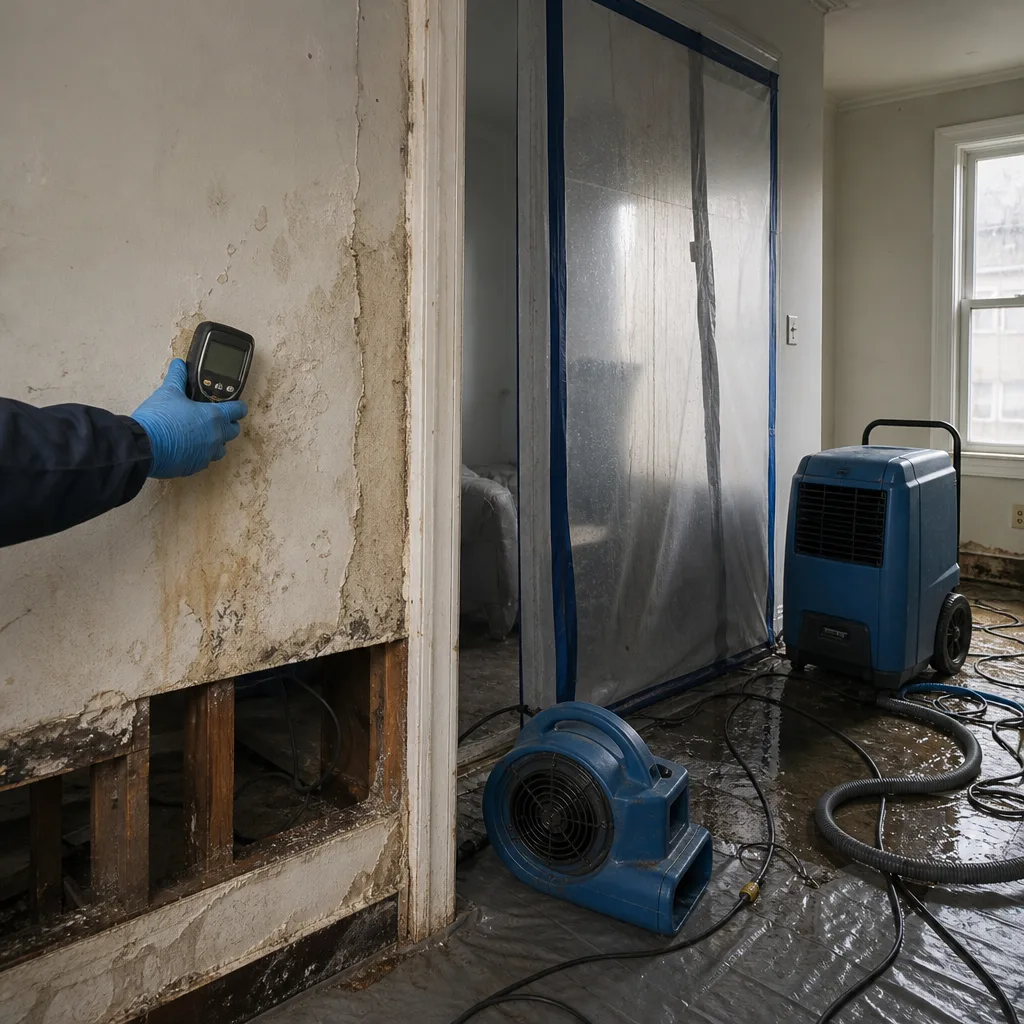 Before
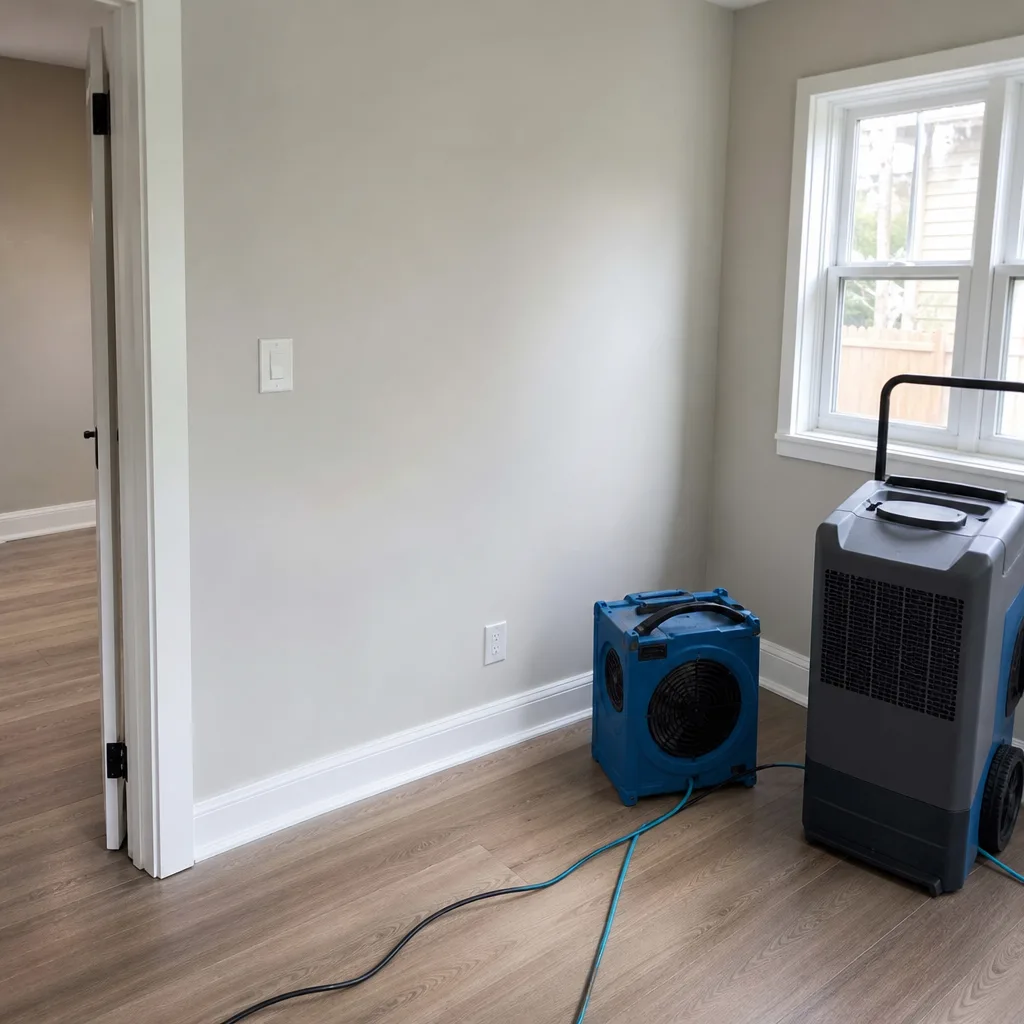 After
After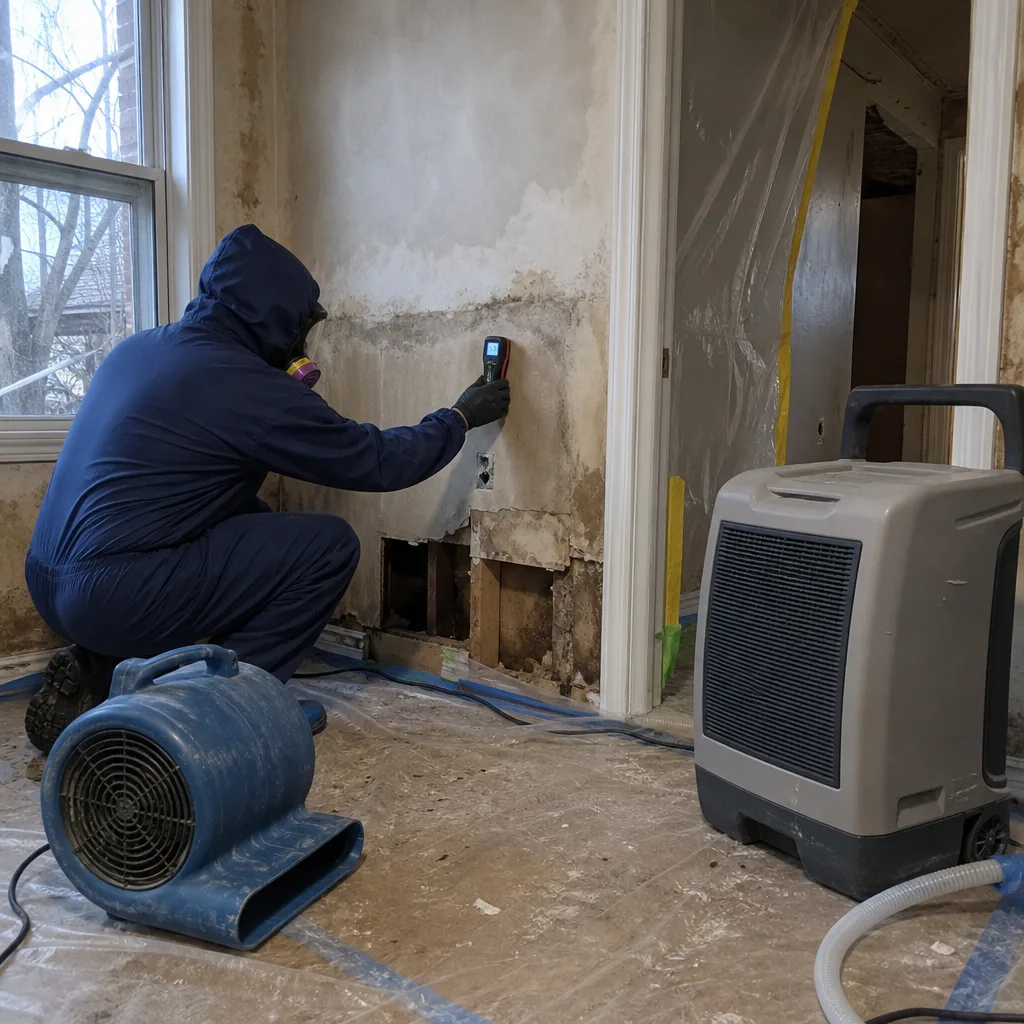 Before
 After
After Before
 After
After