
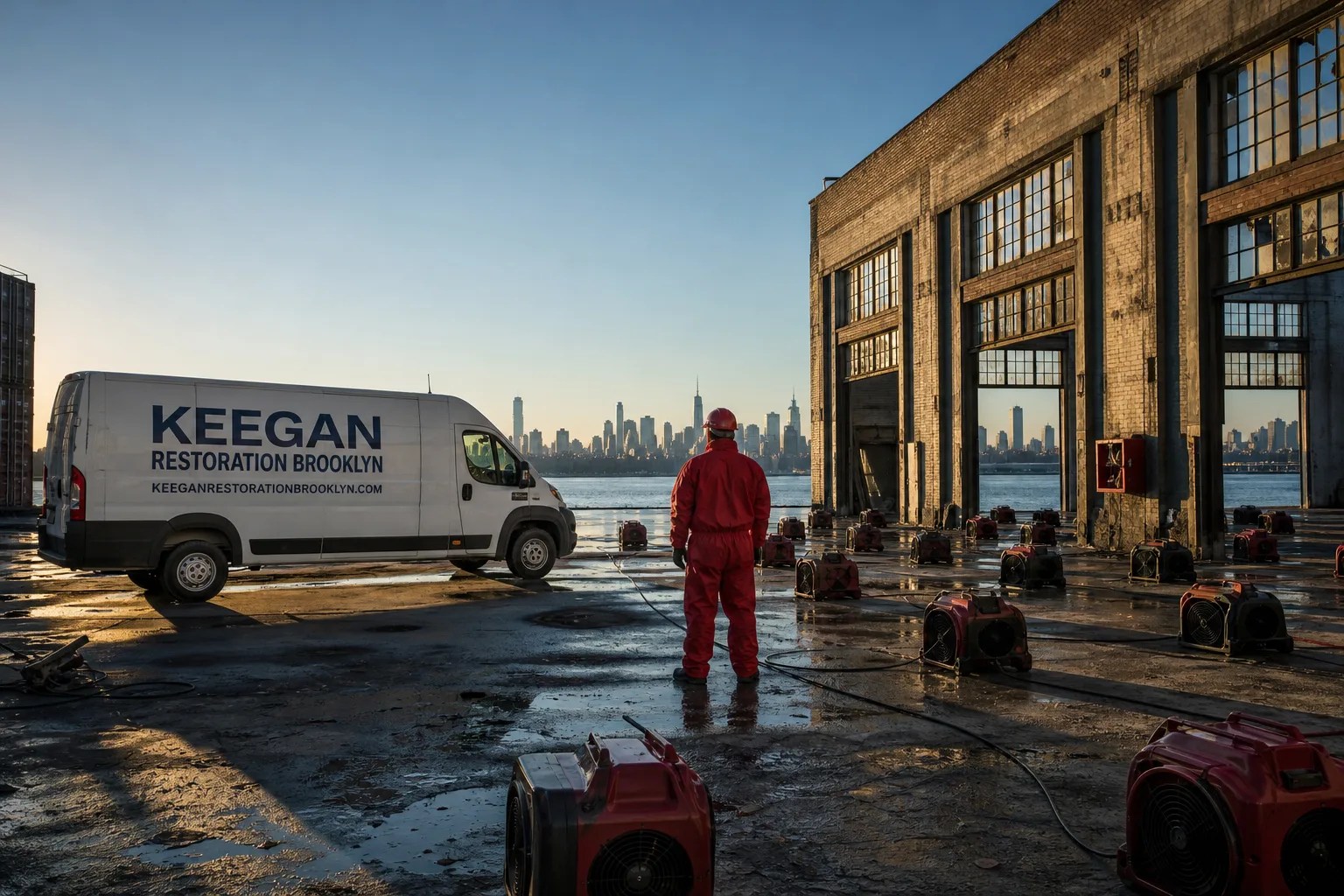
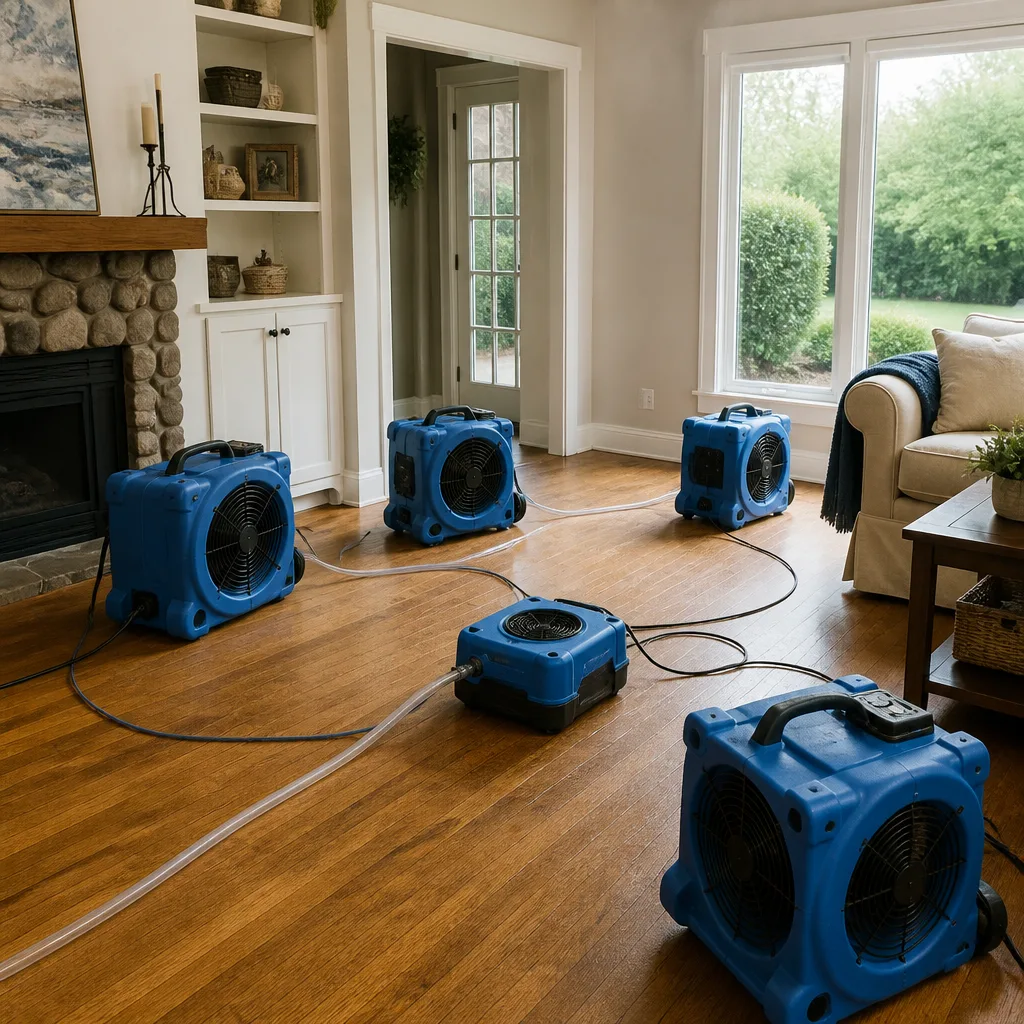
 Water damage drying
 Fire & smoke cleanup
 Mold remediation
 Storm response
 Sewage cleanup
 Reconstruction
Free visual inspection and a written scope of work before any mitigation begins - photos, moisture readings, and drying logs go in your claim file
The scope we write is the scope we bill. Anything new gets shown to you, in writing, before we touch it.
Get your free estimateFast, Reliable Water Damage Restoration Across Gramercy
Water damage restoration in Gramercy typically runs $2,100 – $7,800 depending on the water category, affected square footage, and whether the building is a landmarked brownstone or a pre-war elevator co-op. That’s a wide range because Gramercy is not a single housing market. It’s two distinct ones, and each changes the drying playbook. If water is actively spreading through your apartment or townhouse right now, call (607) 325-7185. A live person answers, day or night, and we dispatch crews who know the difference between drying drywall and drying original plaster without cracking it.
We work in Gramercy regularly. We know that a burst supply line on Gramercy Park South is not the same job as a basement flood near the East River. The buildings are older, the access is tighter, and the people you answer to include a co-op board or a landmark preservation committee. That changes how we extract, how we dry, and how we document. This page explains what that means for your home.
Key Takeaways:
- Water extraction in Gramercy’s co-ops and brownstones often requires building management approval before work can start, which can add hours to the timeline.
- Original plaster walls need gentler, longer drying than drywall; aggressive air movement can cause delamination behind ornate moldings.
- Written pricing is delivered before any work begins and never moves at the door.
- Every repair is backed by the 365-Day Done Right Promise, a one-year written guarantee.
Why Keegan Restoration Brooklyn Is Gramercy’s Preferred Water Damage Restoration Company
Gramercy homeowners tend to do their homework. That’s the nature of living in a landmarked district. You can’t just let any contractor into a 19th-century brownstone with a Dri-Eaz dehumidifier and hope the plaster survives. We’ve earned our place here by working inside those constraints and not fighting them.
Our crews arrive in uniform, background-checked, and carrying a written scope of loss before touching a single wall. That scope is what the co-op board, the insurance adjuster, and the managing agent all want to see. It’s also what protects you from the price moving after the containment goes up.
Response time to Gramercy depends on traffic and the time of day, but we dispatch from our New York City office the moment you call. For a Category 2 or Category 3 water loss, our goal is to have extraction equipment running within hours, not days. In an apartment building on Irving Place or a brownstone on East 19th Street, hours matter. Standing water in a shared riser chase doesn’t stay localized for long.
Shane Pruitt, who leads our restoration team, has overseen water mitigation in enough pre-war buildings to know that the hardest part of a Gramercy job is rarely the drying. It’s the access. We coordinate directly with supers, managing agents, and board presidents so the technical work doesn’t stall behind an administrative delay.
Restoration work we handle
Water Extraction in Gramercy
Water extraction in Gramercy is the first physical step in any water damage response, and in a pre-war co-op it often begins with a conversation with the building super about where the riser shutoff actually is. Once water is stopped at the source, we remove standing water using truck-mounted and portable extraction equipment rated for commercial use. The goal is to pull water out before it migrates into wall cavities, subflooring, and the shared chases that run between units.
Gramercy’s brownstones and elevator buildings were not built with water mitigation in mind. Floors slope in ways that collect water in unexpected places. Plaster absorbs moisture differently than gypsum board. A typical extraction in a Gramercy apartment runs $1,200 – $3,400, depending on the affected area and how much water has already saturated porous materials.
Riser Shutoff Coordination
In many Gramercy co-ops, the main riser shutoff lives behind a locked door in a hallway or basement mechanical room. Without the super or managing agent, you can’t reach it. We make that call for you, immediately, and explain exactly what we need. Water stops faster when the person answering our call knows where the valve is.
Plaster-Safe Extraction
We don’t treat original plaster like drywall. Extraction near baseboards and ornate moldings is done with wands and mats positioned to minimize pressure on fragile surfaces. It’s slower than flooding a room with suction, but it protects what can’t be replaced.
Emergency Water Removal in Gramercy
Emergency water removal in Gramercy is what you need when a Category 1 supply line break becomes a Category 2 or 3 contamination problem while you wait for building access. Delayed access to riser shutoffs is the single biggest accelerant we see in landmarked co-ops. Water that starts clean picks up contaminants as it sits in old pipe chases and subfloor cavities. Our emergency response is built around shortening that window.
We answer the phone 24 hours a day, 7 days a week. A live person, not a phone tree. We ask the right questions first: Is the source stopped? Is there standing water? Can you access the shutoff? That determines what equipment rolls and how fast. Emergency water removal in Gramercy typically runs $2,500 – $6,500, reflecting the cost of after-hours response, rapid extraction, and immediate containment setup.
Basement and Mechanical Room Flooding
In lower-lying areas of Gramercy near the East River, storm surge can overwhelm sub-grade sump systems. Standing water collects in mechanical rooms that have no drainage slope. We bring submersible pumps rated for high-volume removal and set up containment to keep contaminated water from migrating into elevator shafts or electrical rooms.
Category 2 and Category 3 Response
If water has sat for hours or come from an unsanitary source, classification shifts fast. Category 2 means significant contamination; Category 3 means sewage or external floodwater. We identify the category on site, explain what it means in plain terms, and adjust containment and antimicrobial protocols accordingly. The price for the job is already in writing before that conversation happens.
Trusted Brands We Service in Gramercy
We run equipment from Dri-Eaz, Phoenix, XPOWER, B-Air, and Injectidry. Those are the brands restoration pros use when the drying plan has to survive scrutiny from a co-op board’s insurance adjuster. We stock a full roster of parts and consumables for these units and can service most issues on site in Gramercy without shipping equipment back to a warehouse. If a dehumidifier throws a code at 11 p.m. in a landmarked brownstone on East 21st Street, we show up with a replacement, not an apology. Our technicians train to IICRC standards and follow RIA and IFA industry guidelines on every job. That’s not a sales pitch. It’s the minimum a Gramercy board expects.
See the difference
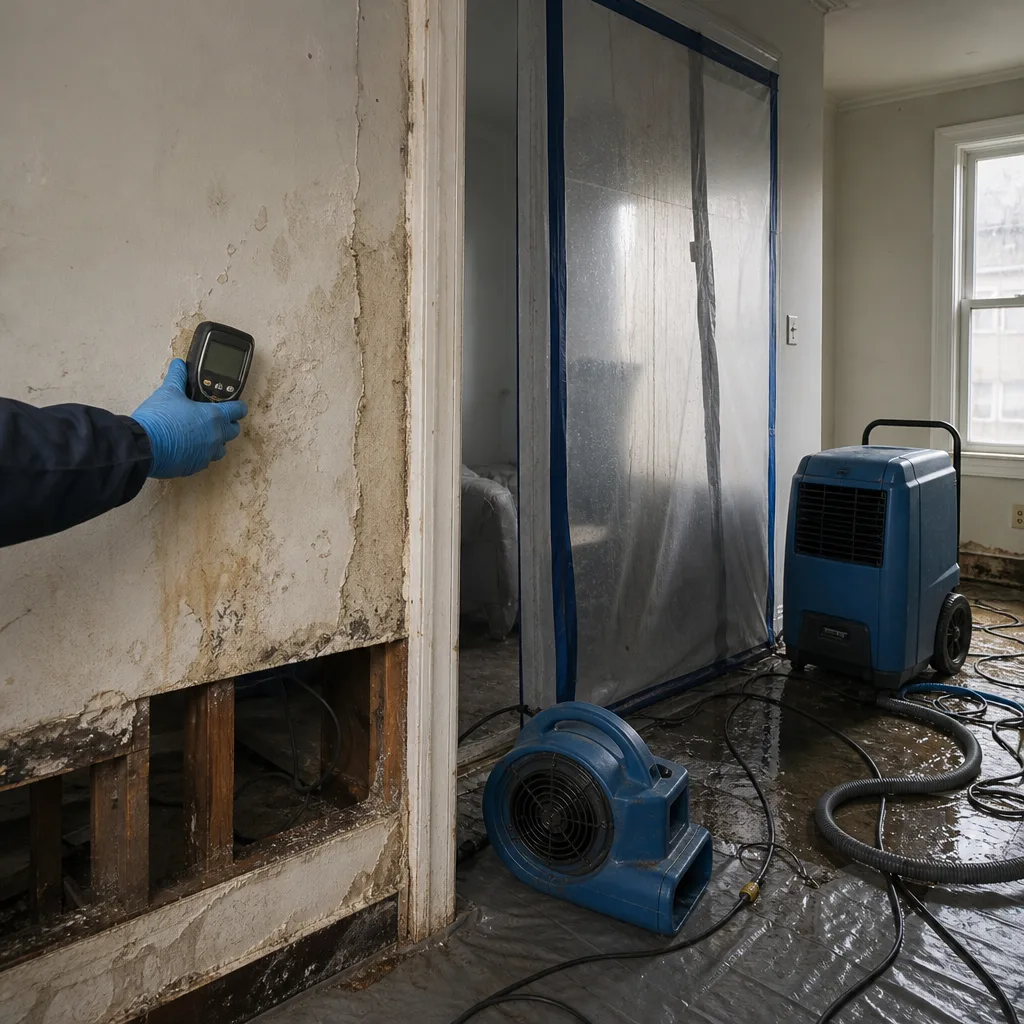 Before
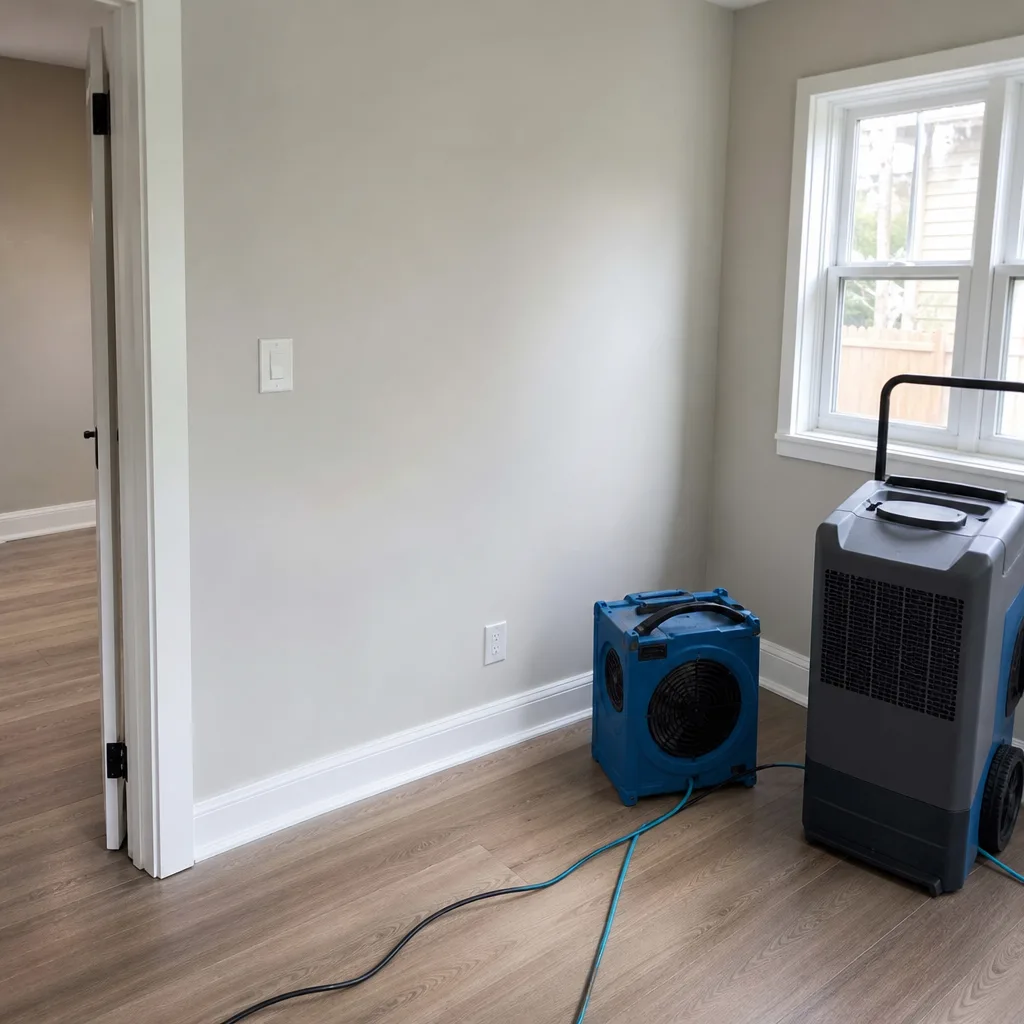 After
After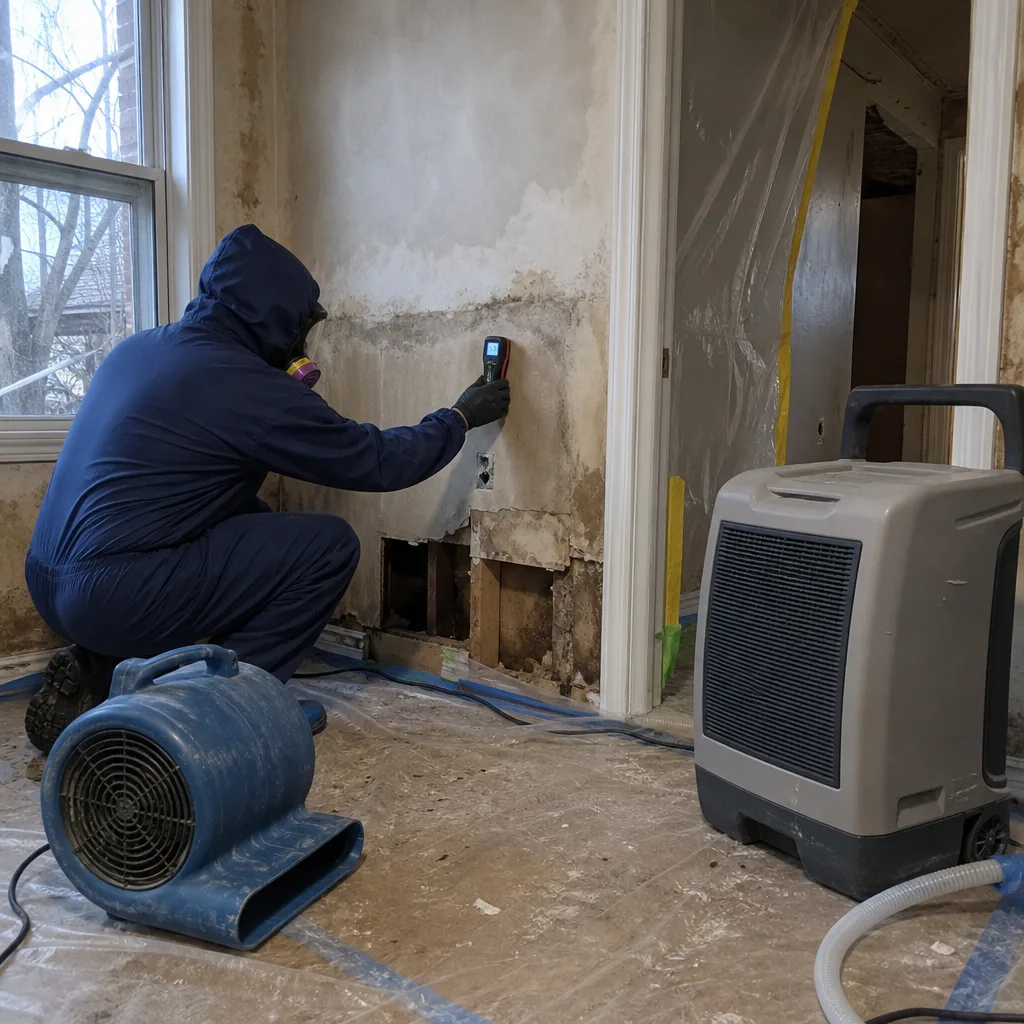 Before
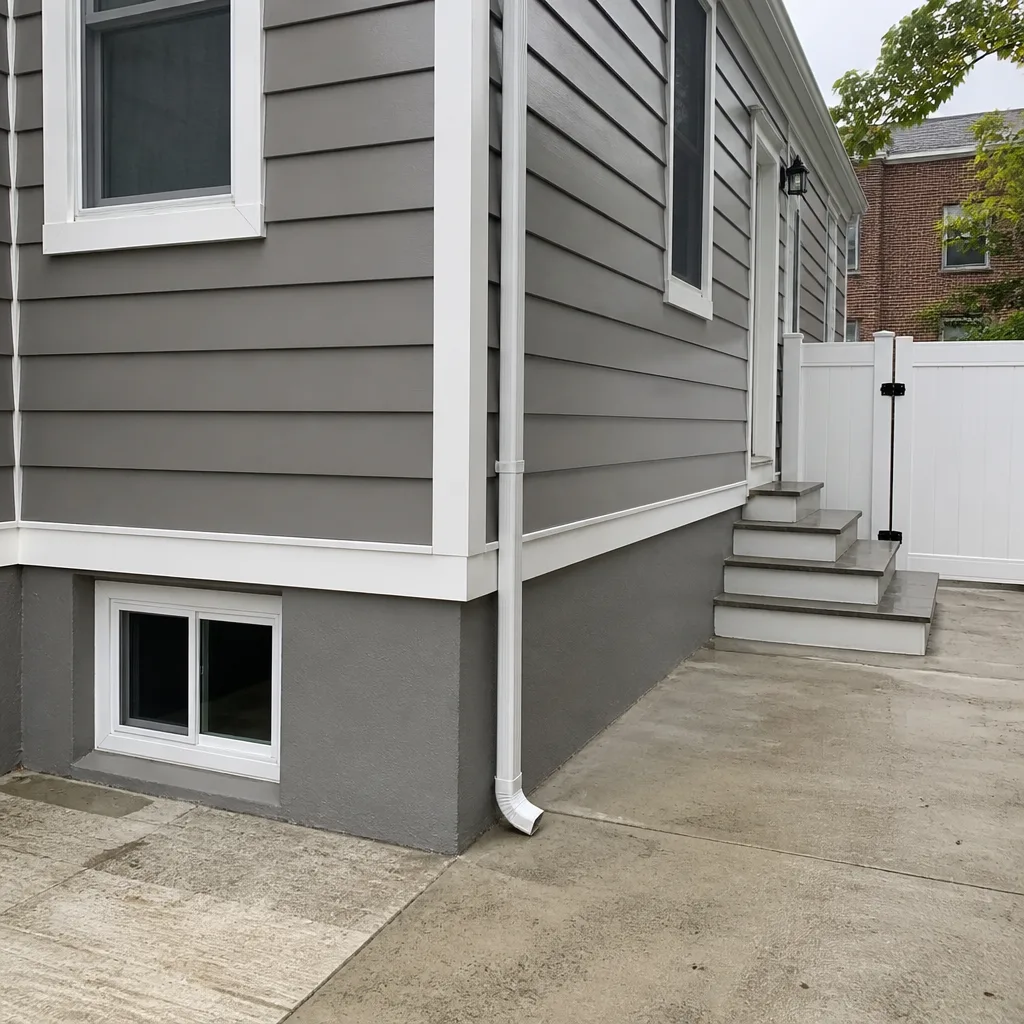 After
After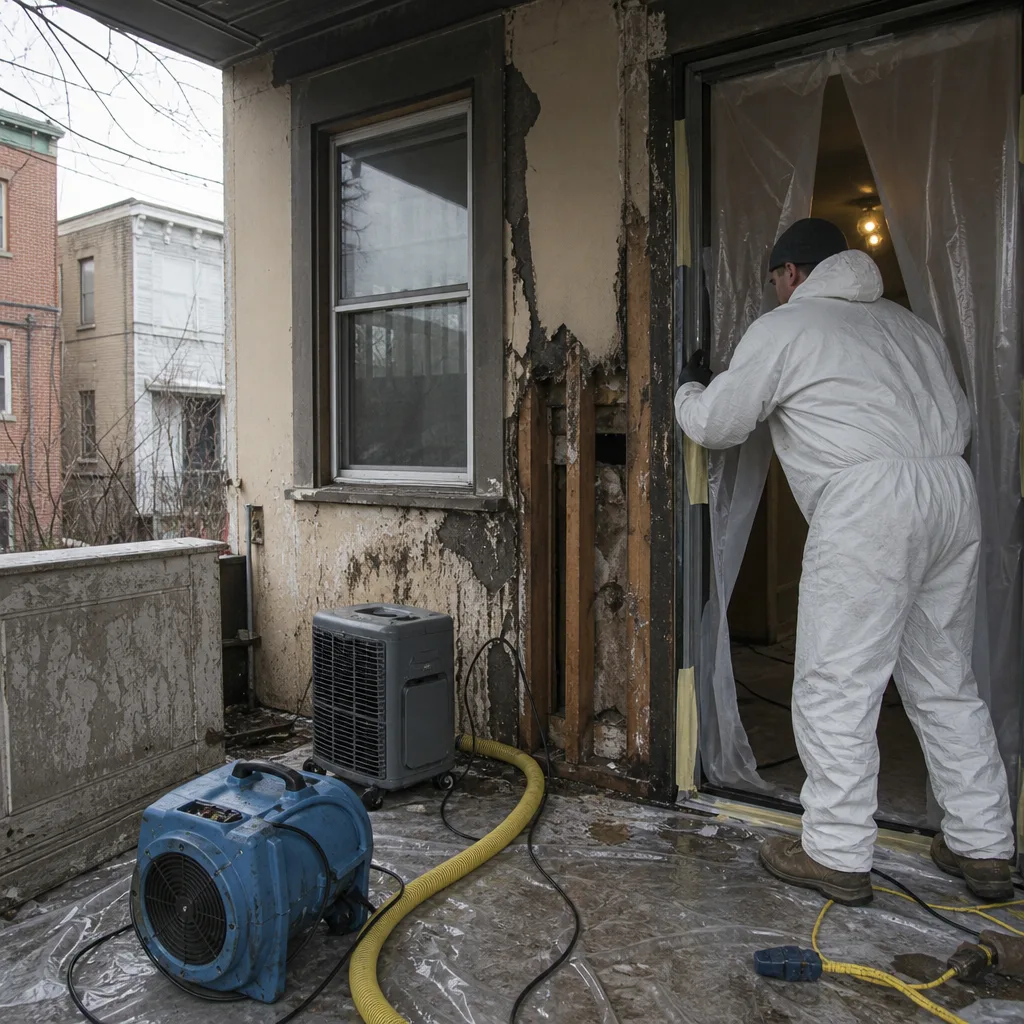 Before
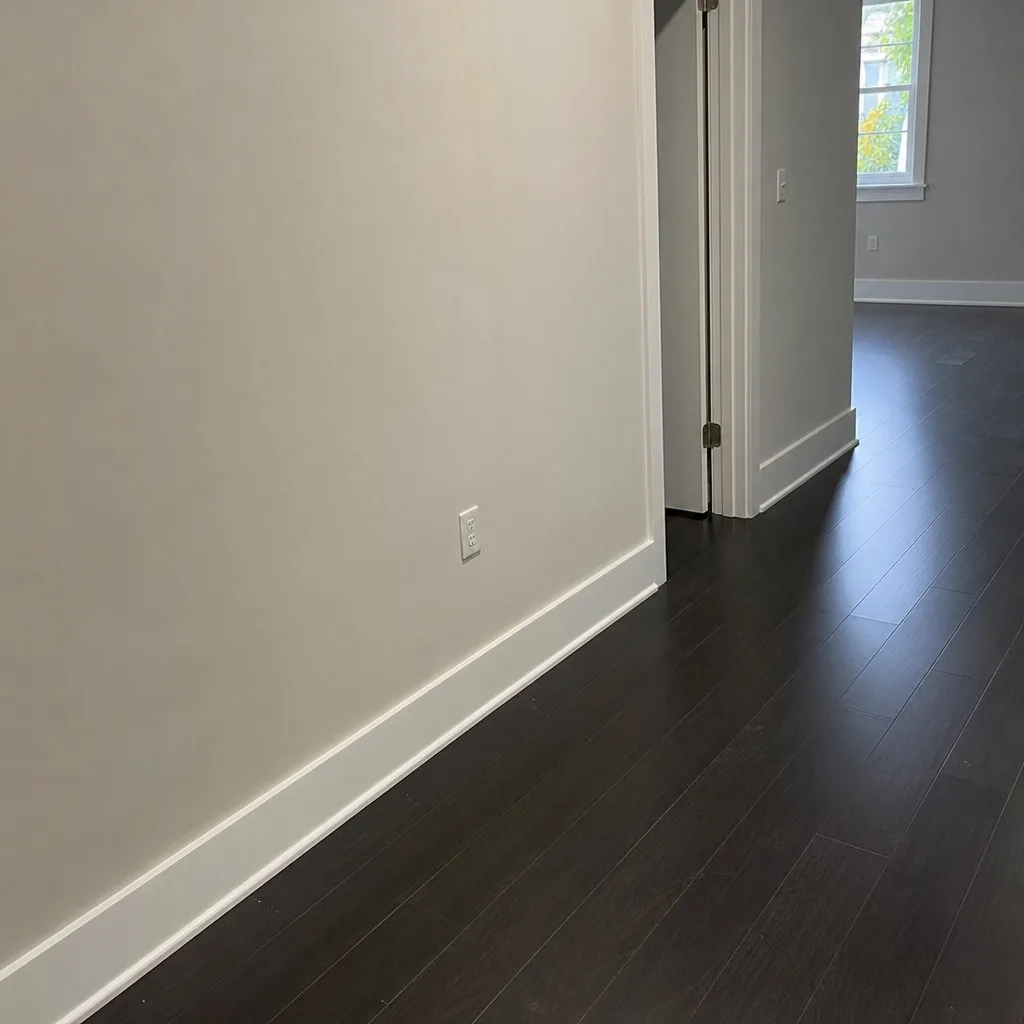 After
AfterCommon Water Damage Restoration Problems We See in Gramercy Homes
- Delayed riser shutoff access in landmarked co-ops. A Category 1 clean water leak turns into a Category 2 or 3 contamination problem while residents wait for building management approval. Every extra hour standing water sits in an old pipe chase increases the affected square footage and the final repair cost.
- Original plaster delamination from aggressive drying. Drying 19th-century plaster walls with high-velocity air movers can crack or delaminate the surface if moisture mapping misses trapped pockets behind ornate moldings. In a landmarked brownstone, replacing that plaster requires preservation-grade craftsmanship and board sign-off.
- Standing water in sub-grade mechanical rooms. East River storm surges overwhelm sump systems in lower-lying Gramercy buildings, leaving water pooled in spaces with no drainage slope. If that water reaches electrical panels or boiler controls, the building’s habitability is at stake, not just your unit’s drywall.
- Shared utility risers spreading water between units. A leak on the fourth floor of a pre-war elevator co-op migrates down the riser chase into the apartments below. Restoration here is not a single-unit job. It requires coordination with affected neighbors and often the managing agent, because drywall access in one unit may require entry into another.
Pricing for Water Damage Restoration in Gramercy, NY
Gramercy pricing reflects the building stock, not just the water. A straightforward water extraction in a modern apartment might run $1,200 – $2,200. The same loss in a landmarked brownstone with original plaster, where we need board approval and gentler drying methods, runs $3,500 – $7,800. Structural drying typically adds $900 – $2,400. Basement flood response near the East River, including pump-out and decontamination, starts around $2,800 and climbs with the size of the mechanical room. Your written scope of loss, delivered before work starts, includes every line item. No one changes the number at the door. Call (607) 325-7185 for a free estimate, and we’ll walk you through what your specific building type actually costs to dry.
We Also Serve Cities Near Gramercy
Our Water Damage Restoration team handles jobs throughout the borough and beyond. In addition to our work across Gramercy, we regularly serve Brooklyn, New York, Elmhurst, and Forest Hills. If you’re in a neighboring city and water is moving, call us. We’ll tell you straight whether we’re the right crew for your building type.
Serving Gramercy, NY - Our Local Coverage Area
We’re based in the Gramercy area and know this community well. Use the map below to see our service coverage - if you’re nearby, we can almost certainly help.
FAQs About Water Damage Restoration in Gramercy
We can start extraction within 60 – 90 minutes of arriving on site if the super or managing agent can open the shutoff door, but if that person is unreachable, we use alternate water isolation methods, including freezing the supply line where accessible. The limiting factor in a Gramercy co-op is almost always building access, not our response time. We call the managing agent ourselves, explain the urgency, and keep calling until someone shows up with a key. For an exact timeline on your building, call (607) 325-7185.
Yes. Original plaster demands lower airflow velocities and longer drying times than gypsum drywall, so we use desiccant dehumidifiers and Injectidry systems that pull moisture from behind plaster without blasting it with hot air. Aggressive air movement can crack the plaster or delaminate ornate moldings. In a landmarked brownstone, that damage becomes a preservation issue, not just a repair.
Category 3, meaning the water is grossly contaminated. East River storm surge carries sewage, petroleum residue, and biological waste into sub-grade spaces. Anything the water touches requires removal and disposal, and all affected surfaces need antimicrobial treatment. This is not a mop-and-fan situation. Call us anytime at (607) 325-7185 if you see standing water in a Gramercy basement.
Yes. We work with Gramercy boards and their insurance carriers regularly. We provide the licensing documentation, certificates of insurance, and written scope of loss that boards and adjusters request. We also coordinate directly with the board’s preferred adjuster when that’s required.
Three to five days is typical for a contained area in a pre-war Gramercy co-op, but original plaster and shared riser chases can extend that to seven days or more. We document moisture readings every day and provide a written drying log so you and your board can see exactly where the numbers stand. The 365-Day Done Right Promise covers the repair for a full year after we finish.
We handled a burst supply line in a pre-war co-op on Gramercy Park South where the riser shutoff hadn’t been upgraded since the building’s original wiring. Our techs coordinated with the super to access the valve, then set up containment in the kitchen and used a Dri-Eaz LGR 7000XLi for structural drying while we documented moisture readings every four hours to satisfy the co-op board’s insurance adjuster.
Written by Shane Pruitt, Owner at Keegan Restoration Brooklyn, serving Gramercy and the surrounding New York City area.